Last updated November 18, 2026


Free written scope consultation - allowances, timeline, and change-order rules on paper before a single trade is scheduled
How Long Does Fence Installation Take? Timelines and What to Expect
Most fence jobs in North Las Vegas take three to five days of physical labor. That’s the number people picture when they call us. The number that actually changes their plans is different: the median elapsed calendar time from signed contract to finished fence is 21 to 35 days, and nearly every day in between is paperwork, not labor. Permits, utility locates, HOA review, material lead times. The fence doesn’t stall because crews are slow. It stalls because the pre-work sequence runs long, and most homeowners only learn the sequence after their yard has been sitting idle for three weeks. This guide breaks the timeline into its four real phases so you can plan around what actually controls the calendar in North Las Vegas.
Quick Answer
Fence installation in North Las Vegas typically takes 21 to 35 days end to end: 7 to 14 days for a Clark County permit, at least 3 business days for the 811 utility locate, 3 to 10 days for material delivery depending on fence type, and 2 to 5 days of actual installation for an average residential lot. HOA approval in a master-planned community can add another 10 to 21 days, and that clock usually runs before or after the city permit rather than alongside it.
Styles & brands we work with
- Kitchen remodeling
- Bathroom remodeling
- Home additions & ADU
- Roofing
- Windows & doors
- Driveway & pavers
- Fence
Table of Contents
- The Four Phases of a Fence Project
- Phase 1: How Long Does the Permit Take?
- Phase 2: The 811 Utility Locate
- Phase 3: Material Lead Times by Fence Type
- Phase 4: Installation Days and Daily Production Rates
- How HOA Approval Changes the Timeline
- Caliche, Hardpan, and Soil Contingencies
- The Paper Trail You Should Collect
The Four Phases of a Fence Project
A fence build is four separate clocks, and only the last one involves anyone swinging a hammer. Understanding that split is the difference between a plan that holds and a plan that collapses in week two.
Here’s how the phases stack for a typical North Las Vegas residential job:
- Permit application and approval – 7 to 14 days in Clark County, longer if the submittal comes back with corrections.
- Utility locate through 811 – a legal minimum of 3 business days, scheduled to land before excavation, not before the permit.
- Material ordering and delivery – 3 to 10 days depending on fence type and whether the panels are custom-built.
- Actual installation – 2 to 5 days for most lots, based on linear footage and fence style.
The trap is that these phases don’t overlap the way homeowners assume. A permit can’t be pulled until the site plan is drawn. Material shouldn’t be ordered until the final measurements are confirmed, because a permit correction can shift the fence line. And the 811 ticket expires if it’s called too early, so it has to be timed against the dig date. Done in sequence, the phases add up to that 21-to-35-day window. Done out of order, they add up to a fence that sits half-finished while a crew waits on a delivery.
For a fuller picture of how we sequence a build from first measurement to final walkthrough, see our Fence Installation in North Las Vegas page.
Phase 1: How Long Does the Permit Take?
In Clark County, a residential fence permit typically clears in 7 to 14 days when the submittal is clean. That’s the honest range we give at the estimate, and it holds most of the time.
A clean submittal means the site plan shows the fence line relative to the property boundary, the height matches what the zoning allows, and the material meets code for the location. Fences over six feet usually need a permit regardless of material. Corner lots often have additional sight-line or setback restrictions. Pool barriers have their own code section entirely, and a pool fence that fails inspection means the pool can’t legally be filled.
Two things push a permit past 14 days:
- Corrections. If the plan reviewer flags the height, the setback, or the property line, the resubmittal restarts the clock. A homeowner who measured the boundary by eye instead of pulling the plat is the most common cause.
- Missing or mismatched documents. An HOA approval that doesn’t match the submitted plan, or a plat that shows an easement nobody accounted for.
Ask for the permit number the day it’s issued. It’s a public record, so you can look it up yourself and confirm the approved scope matches what you and the contractor agreed on. A written price with a written scope is the standard we work to on every trade, and the permit should match that scope line for line. When we quote a fence, the permit cost and the review timeline sit in the estimate as their own lines, not folded into a lump sum.
Phase 2: The 811 Utility Locate
Nevada requires a call to 811 before any excavation, and the locate ticket needs a minimum of 3 business days to process. This is not optional and not a formality. A post-hole auger that hits an unmarked gas or electrical line is a genuinely dangerous event, and no legitimate crew digs without the marks.
The discipline is in the timing. Call 811 too early and the ticket can expire before the crew arrives, forcing a second request and another three-day wait. Call it right after the permit is issued and before the material is staged, and it lands in the dead space between paperwork and delivery where it costs nothing.
When the locator marks the yard, the crew walks the fence line against the flags before a single hole is dug. If a post location lands on a marked utility, the line shifts or the post is hand-dug around the mark. That decision gets documented with a photo. Every one of our visits includes a documented photo record as a standard deliverable, not an add-on, and the locate marks and any line adjustments show up in it.
Ask for the 811 confirmation ticket number. It proves the locate was actually requested and completed, and it protects you if a utility is later damaged and the contractor claims the call was made.
Phase 3: Material Lead Times by Fence Type
Material lead time is the least predictable phase because it depends entirely on what the fence is made of and whether the components are stock or custom.
Here’s roughly how the delivery window breaks down by type:
- Wood privacy fence – 3 to 5 days for standard cedar or pine panels and posts. The fastest category, unless a specific stain or a non-stock post size is requested.
- Vinyl – 5 to 10 days. Stock colors and heights move faster; a non-standard color or a decorative top rail can double the wait.
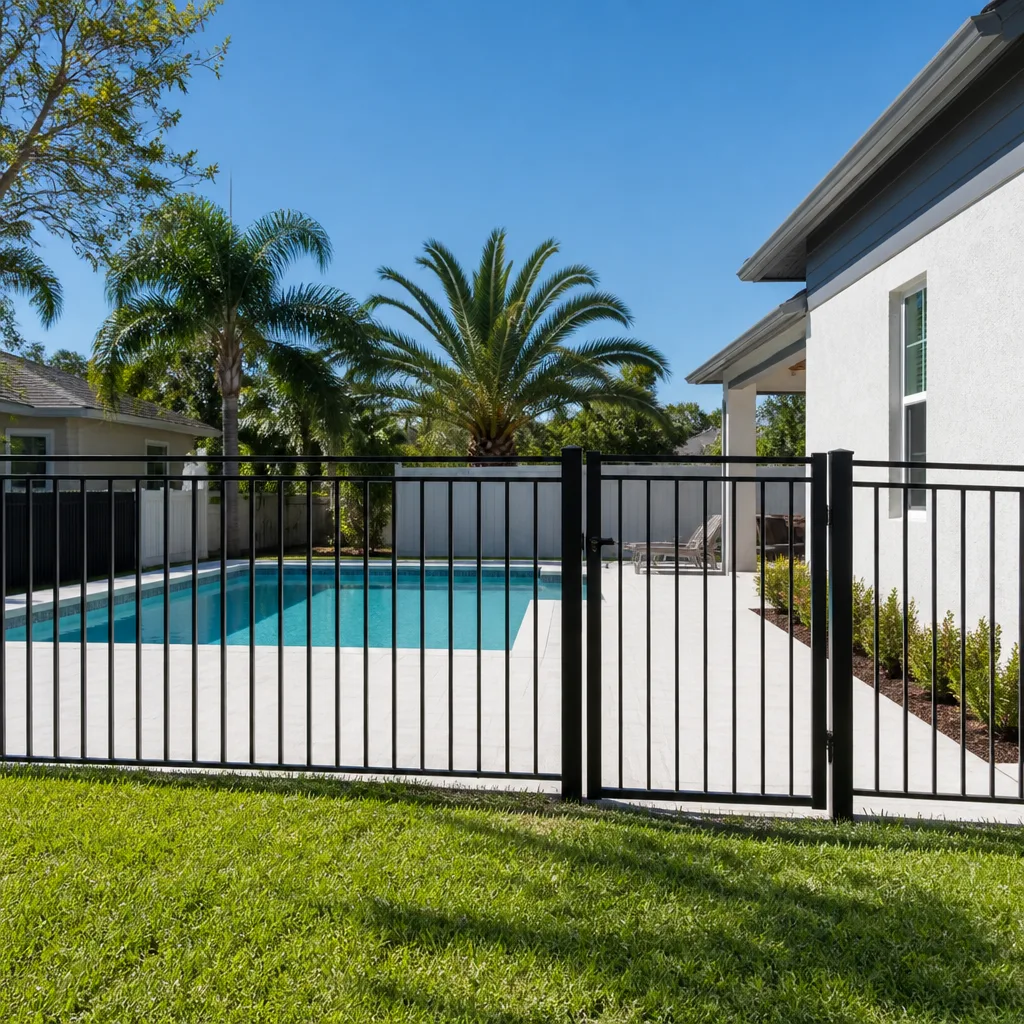
- Wrought iron and ornamental aluminum – 7 to 10 days or more. Welded and powder-coated panels are usually built to spec, so the panels ship after the order, not from a shelf.
- Composite and specialty panels – 7 to 14 days. These behave like custom cabinetry; the order confirms, the factory builds, the panels ship.
The lead time interacts with the permit in a way that catches people. If the permit review comes back with a height correction, the panel order changes with it. Ordering before the permit is final is how a homeowner ends up with a stack of panels that don’t match the approved plan. The order goes in after the permit clears, which is why those two phases sit back to back rather than stacked.
Ask for the delivery receipt when the material lands. It should show the panel count, the post size, and the gauge or thickness, and it should match the estimate. When you’re ready to price a full hardscape plan alongside the fence, our Driveway & Pavers in North Las Vegas page covers how that timeline works.
Phase 4: Installation Days and Daily Production Rates
This is the phase homeowners actually picture, and it’s the shortest one. Installation is 2 to 5 days for most North Las Vegas residential lots. A small side-yard fence can finish in a single day; a full-perimeter job on a quarter-acre lot with a gate and a corner return runs closer to four.
The daily production rate depends on the fence type and the connection method:
- Wood privacy fence: a two-person crew sets 150 to 200 linear feet per day. Posts, rails, pickets, and a gate hang on schedule.
- Wrought iron with welded connections: 80 to 120 linear feet per day. Welding, grinding, and touch-up are slower than nailing up pickets, and the panels are heavier to set.
- Vinyl: 120 to 180 linear feet per day. Panels snap together quickly once the posts are plumb, but post-setting dominates the first day.
The first day is almost always the slowest because it’s all post-setting and layout. On a 200-foot wood fence, the crew may set two-thirds of the posts on day one and finish the whole run by day two. That’s normal, and it’s why a fence that looks half-built at the end of day one is usually on schedule.
Day one also sets the tone for the documentation. The crew records the substrate condition, the post depth, and the concrete set. If the ground turns out to be caliche, that shows up in the record and in the change order before the work continues.
How HOA Approval Changes the Timeline
In North Las Vegas master-planned communities, HOA architectural review runs on its own clock, and it can add 10 to 21 days independent of the city permit. It’s the single biggest hidden variable in a fence timeline, and it’s the one homeowners are least prepared for.
The reason is that both approvals often run sequentially, not in parallel. Many HOAs require city-approved plans before their own architectural committee reviews the request, which means the 7-to-14-day permit clears first and the 10-to-21-day HOA review starts after. Add a monthly committee meeting schedule and a request that lands the day after the meeting, and a fence can lose a full month before the first post goes in.
What HOA review covers, and what it can reject:
- Height and style. Many communities cap fence height below what the city allows, and some restrict material to a specific look.
- Color. A wood stain or vinyl color that isn’t on the approved palette gets sent back.
- Setback from the property line. HOA setback rules can be tighter than the city’s.
- Neighbor consent. Some communities require a signed acknowledgment from an adjacent owner.
Ask the HOA for the architectural request form and the meeting schedule on the day the contract is signed. Filing the request the same week the permit goes in is the only way to keep the two clocks from stacking end to end.
Caliche, Hardpan, and Soil Contingencies
The North Las Vegas valley sits on a lot of caliche – a naturally cemented layer of calcium carbonate that behaves more like soft rock than dirt. When a post hole hits a caliche shelf, the auger stops. The crew switches to a breaker, the hole takes three to four times as long to dig, and on a long run that can add a full day to the post-setting phase.
This should appear in any honest contract as a contingency line, not as a surprise. When we measure a yard, we probe the soil and note the condition in the estimate. If a caliche contingency shows up in the quote with a per-hole price attached, the homeowner knows exactly what it costs if the ground turns out hard. If it doesn’t appear anywhere, the contractor intends to bill for it later, or to set shallow posts and hope.
A shallow post in caliche is the failure mode to watch for. The post holds at first and leans within two or three seasons. Probing the soil before the quote, and documenting the post depth in the photo record, is how that gets caught before it becomes a warranty call. Alongside the fence, if the property is also due for a hardscape update, the driveway and paver work shares the same soil conditions and can be sequenced in the same visit. Our Driveway & Pavers in North Las Vegas page covers that pairing.
The Paper Trail You Should Collect
You shouldn’t have to take anyone’s word for progress. Every phase of a fence project leaves a document, and asking for each one at the right moment lets you track the job without hovering.
Request these four items, and the timeline manages itself:
- The permit number, the day it’s issued. Look it up on the county portal and confirm the approved scope matches your written estimate.
- The 811 confirmation ticket, before excavation. It proves the locate was requested and completed, and it dates the call.
- The material delivery receipt, the day it lands. Match the panel count and post size to the estimate.
- The photo record, on the day the work wraps. Substrate condition, post depth, concrete set, gate hardware. It should be included in the job, not offered as an upgrade.
We deliver that photo record on every visit as standard. And if you already have a written estimate from another contractor, we’ll review it line by line at no charge. The Rowan Construction Group North Las Vegas home page explains how that free second opinion works.
Common Mistakes to Avoid
- Ordering material before the permit clears. A height or setback correction from the county changes the panel order, and the homeowner eats the restocking fee. Wait for the approved plan.
- Calling 811 too early. A locate ticket can expire before the dig, forcing a second request and another three-day wait. Time it against the install date, not the contract date.
- Skipping the HOA request. Homeowners in North Las Vegas master-planned communities who file the architectural request a week late can lose a full month to the next committee meeting.
- Assuming all posts are set on day one. A crew that sets two-thirds of the posts on day one is on schedule, not falling behind. Judge progress against the linear-foot rate, not the visual on day one.
- Accepting a contract with no soil contingency. Caliche is common in the valley, and a quote with no contingency line means the hard ground gets billed later or the posts are set shallow.
- Trusting a verbal scope. If the height, material, gate count, and stain aren’t written down, the final fence can legally differ from what was discussed. Insist on a written scope before work starts.
- Letting the fence line vary from the plat. Eyeballing the property boundary is the most common reason a permit gets sent back with a correction.
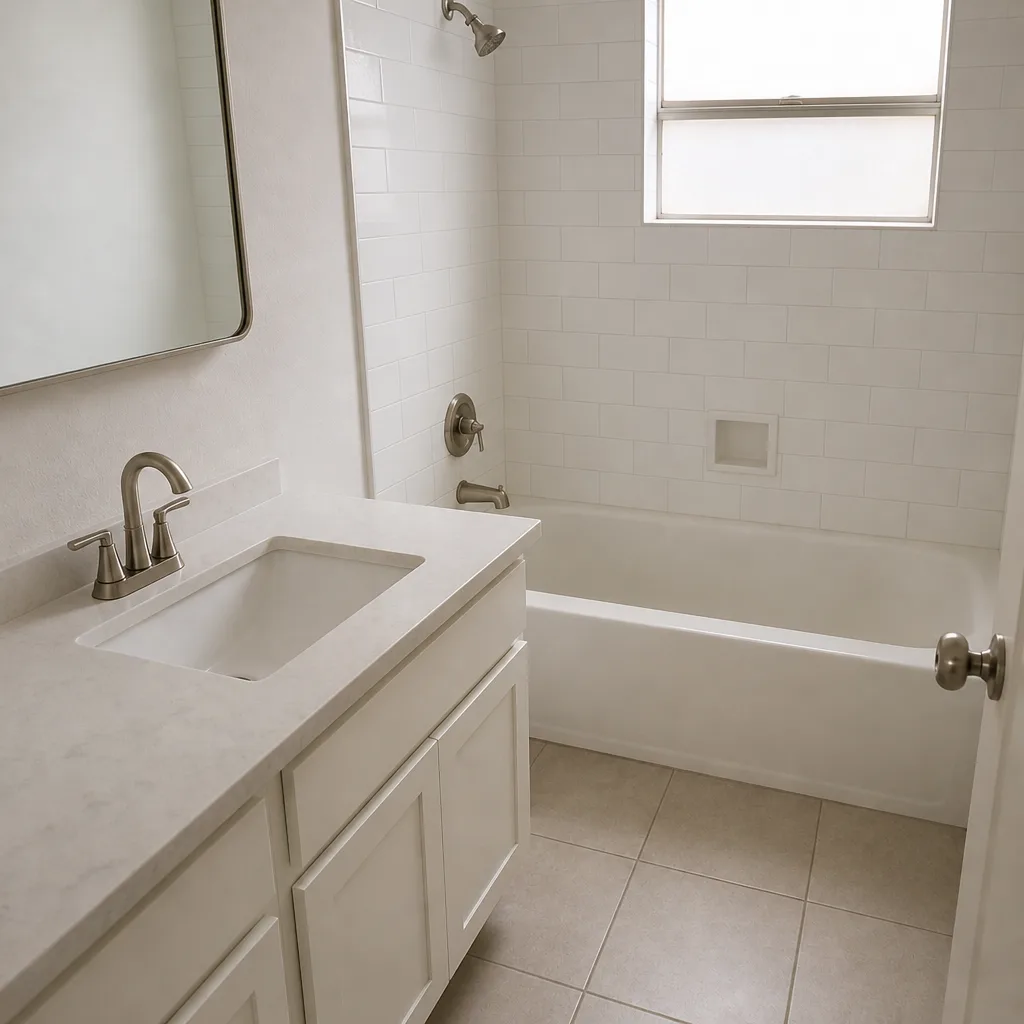
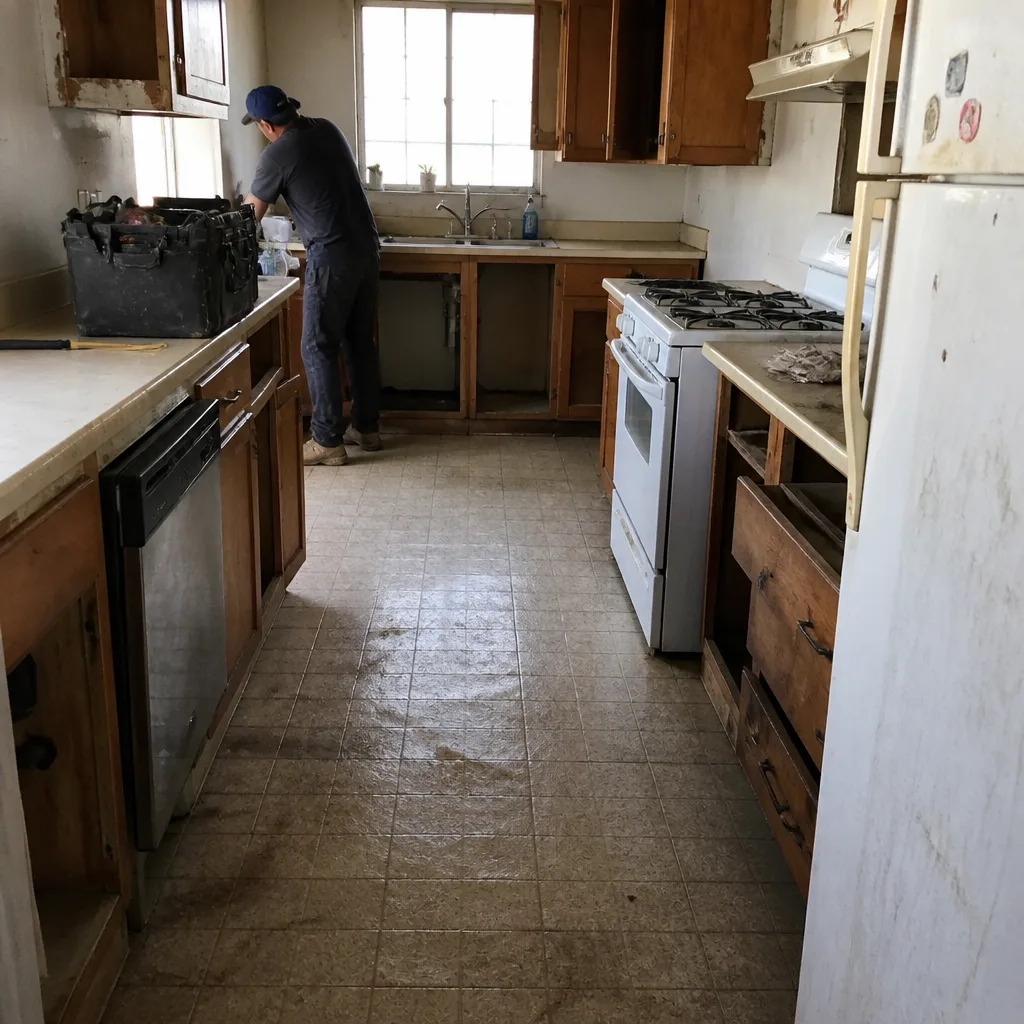
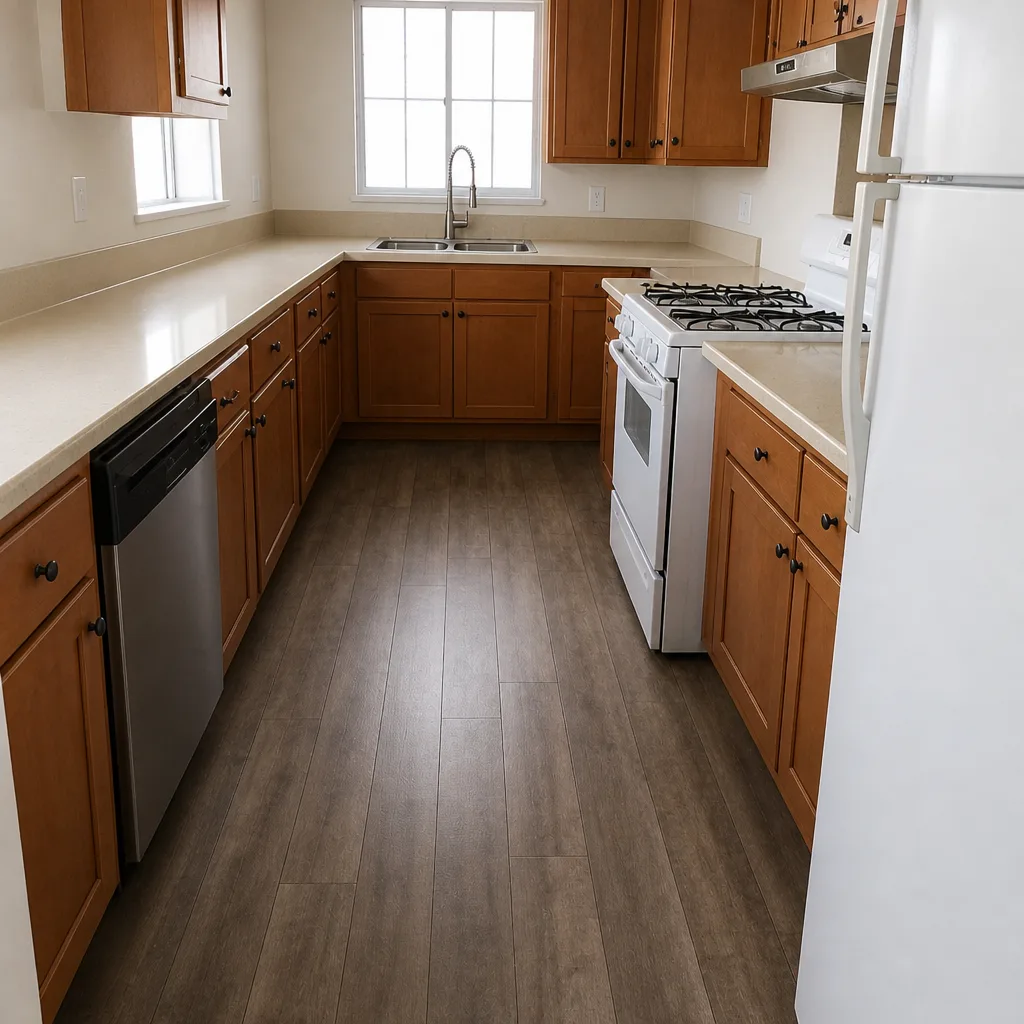
See the difference
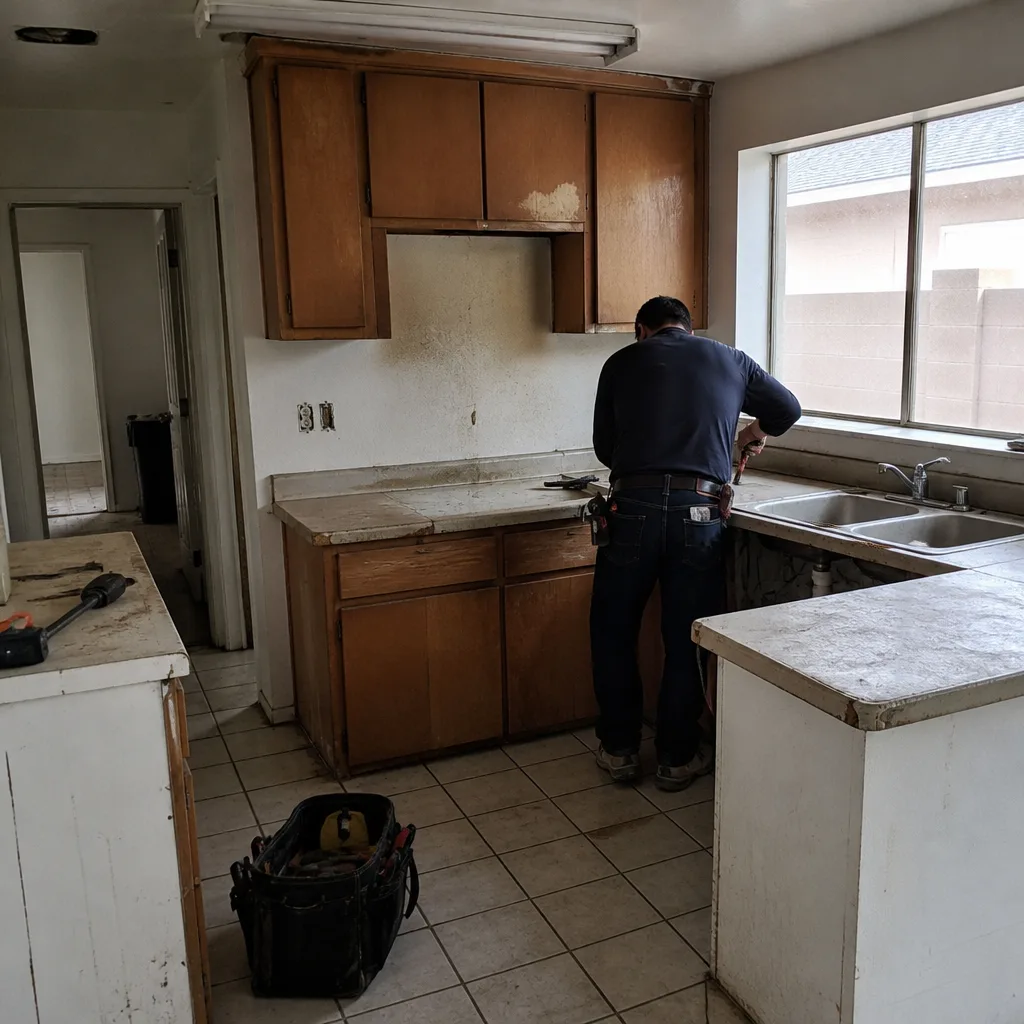 Before
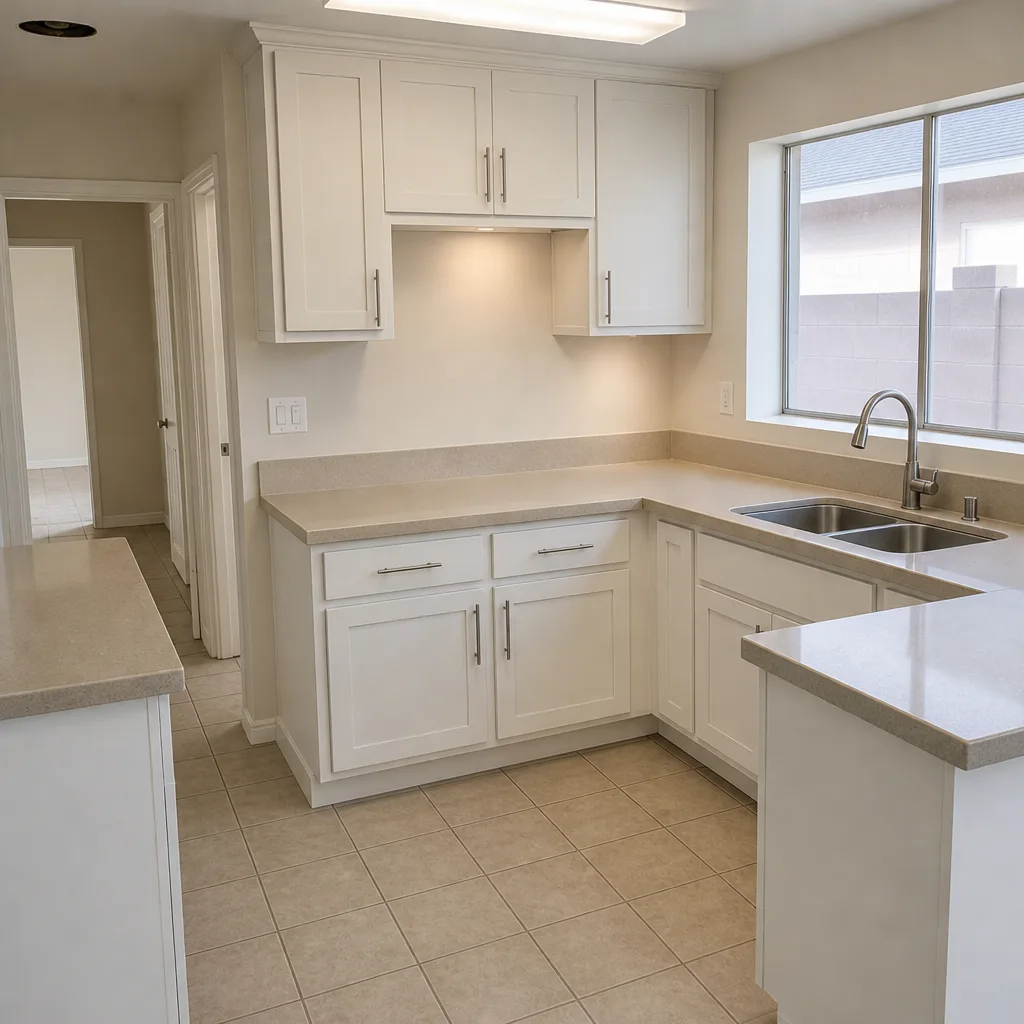 After
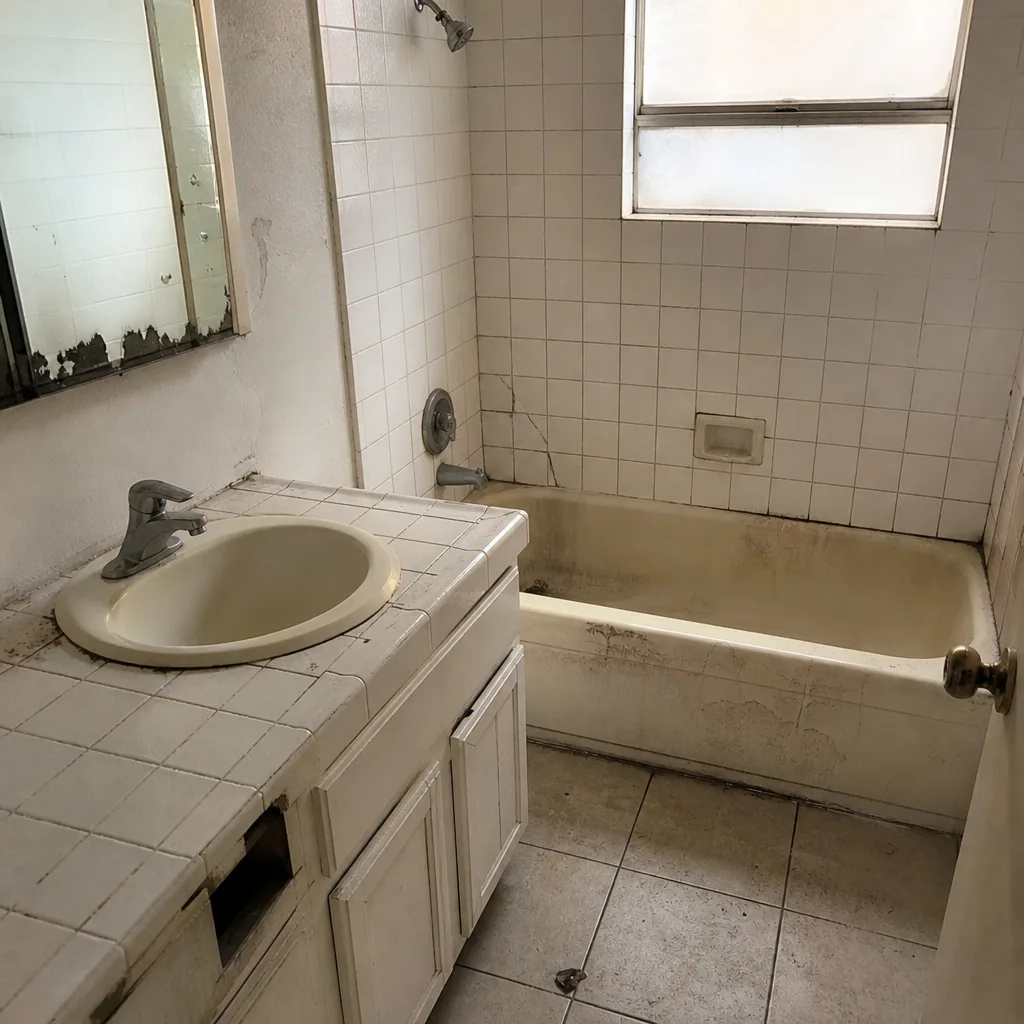 Before
 After
 Before
 After
When to Call a Professional
Some fence work genuinely needs a trained crew, not a weekend. Anything over six feet, any fence on a property line with a recorded easement, any pool barrier that has to pass inspection, and any job where the ground turns out to be caliche are all situations where a mistake is expensive and sometimes dangerous. Digging a post hole without a confirmed 811 locate is the one we’d flag hardest: a hit on a buried gas or electrical line is a genuine hazard, and no DIY plan justifies the risk. Gate hardware, welded wrought-iron connections, and any fence that has to match an HOA-approved plan also belong with a professional. Rowan Construction Group North Las Vegas offers free estimates in North Las Vegas – call (844) 708-4417.
Frequently Asked Questions
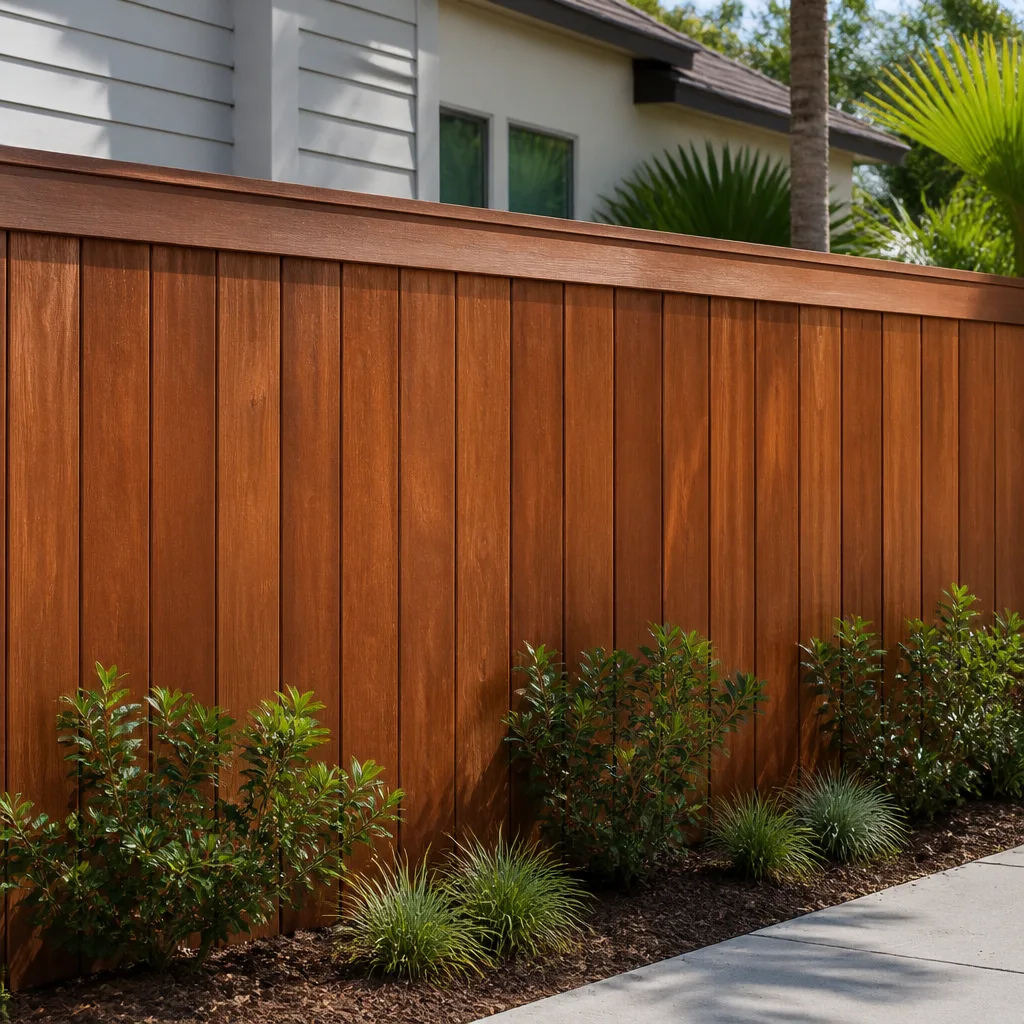
Fence installation in North Las Vegas takes 21 to 35 days end to end, but only 2 to 5 of those days are actual install. The rest is permit review, the 811 utility locate, material lead times, and HOA approval where it applies. Call (844) 708-4417 for a written estimate that breaks out each phase.
Yes, in most cases – fences over six feet typically require a Clark County permit, and pool barriers have their own code section. Corner lots often have additional setback and sight-line rules. A clean submittal clears in 7 to 14 days; a correction restarts the clock. Call (844) 708-4417 and we’ll walk through what your property needs.
The cost depends on material, linear footage, and soil conditions, and we put the number in writing before any work starts. Wood privacy, vinyl, and wrought iron sit in different price bands, and a caliche contingency gets its own line. Call (844) 708-4417 for a free estimate with a written scope and a flat price.
Not without a signed change order. If the ground turns out to be caliche, or the permit requires a change to the fence line, the change is documented and priced and signed before any work continues. That’s the discipline that keeps projects within a few percent of the agreed number. Call (844) 708-4417 to see a sample change order.
We can compress the calendar by running the phases in parallel where the city and HOA allow it – filing the HOA request the same week as the permit, timing the 811 call against the install date, and confirming material lead time up front. What we won’t do is skip a permit or dig before the locate clears. Call (844) 708-4417 to plan a realistic schedule.
HOA architectural review in North Las Vegas master-planned communities typically runs 10 to 21 days, and it often starts only after the city permit clears, which is why the two clocks stack. Filing the request the week the contract is signed is the best way to keep the timeline tight. Call (844) 708-4417 for help with the request.
The Bottom Line
A fence project in North Las Vegas takes three to five days of real labor wrapped inside 21 to 35 days of calendar time, and the paperwork – not the crew – controls that calendar. Plan around four phases: permit (7 to 14 days), 811 locate (3 business days minimum), material delivery (3 to 10 days by type), and install (2 to 5 days). HOA review can add 10 to 21 days, caliche can add a day to post-setting, and every phase should leave a document you can check. Expect the written price before the first post, a signed change order for any shift, and a photo record when the crew leaves. Plan the schedule before the season, not after.
If you’re ready to price a fence, call (844) 708-4417 for a free estimate. We’ll put the timeline and the flat price in writing before anyone picks up a tool, walk the yard with you, and answer any written estimate you already have line by line at no charge. Whether the fence is part of a larger yard plan or a standalone job, the same discipline applies – and if the project grows into an addition or an ADU, our Home Additions & ADU in North Las Vegas page covers how that timeline runs on the same standard.
Written by the team at Rowan Construction Group North Las Vegas.