Last updated November 18, 2026


Free written scope consultation - allowances, timeline, and change-order rules on paper before a single trade is scheduled
Home Additions & ADU Warning Signs Every Homeowner Should Know
Here’s the counterintuitive part about addition projects that go sideways: most of the damage is done before a single nail is driven. The overruns, the six-month delays, the wall that has to come back down for inspection – nearly all of it traces back to a thin contract and a missing document. A bid that lacks a line-item breakdown by trade, a named structural engineer, and a reference to the actual permit application is not a construction contract. It is a letter of intent with a price attached, and that gap is exactly where cost overruns are born. This guide walks you through the warning signs we’ve learned to spot in North Las Vegas, so you can catch them on paper rather than on your foundation.
You’ll learn the five documents that must exist before excavation, the engineer answer that should end the conversation, the soil conditions specific to this valley that get skipped on sloppy bids, and the contract language that quietly hands a contractor a blank check. Read it before your next bid review.
Quick Answer
The biggest red flags for a home addition or ADU project are a missing line-item scope, no named Nevada-licensed structural engineer on structural work, no reference to a soils investigation for the parcel, no permit application number, and change-order language that leaves cost open-ended. If a North Las Vegas contractor can’t produce those five things in writing before you sign, you’re not looking at a fixed price – you’re looking at a range with no ceiling on it.
Styles & brands we work with
- Kitchen remodeling
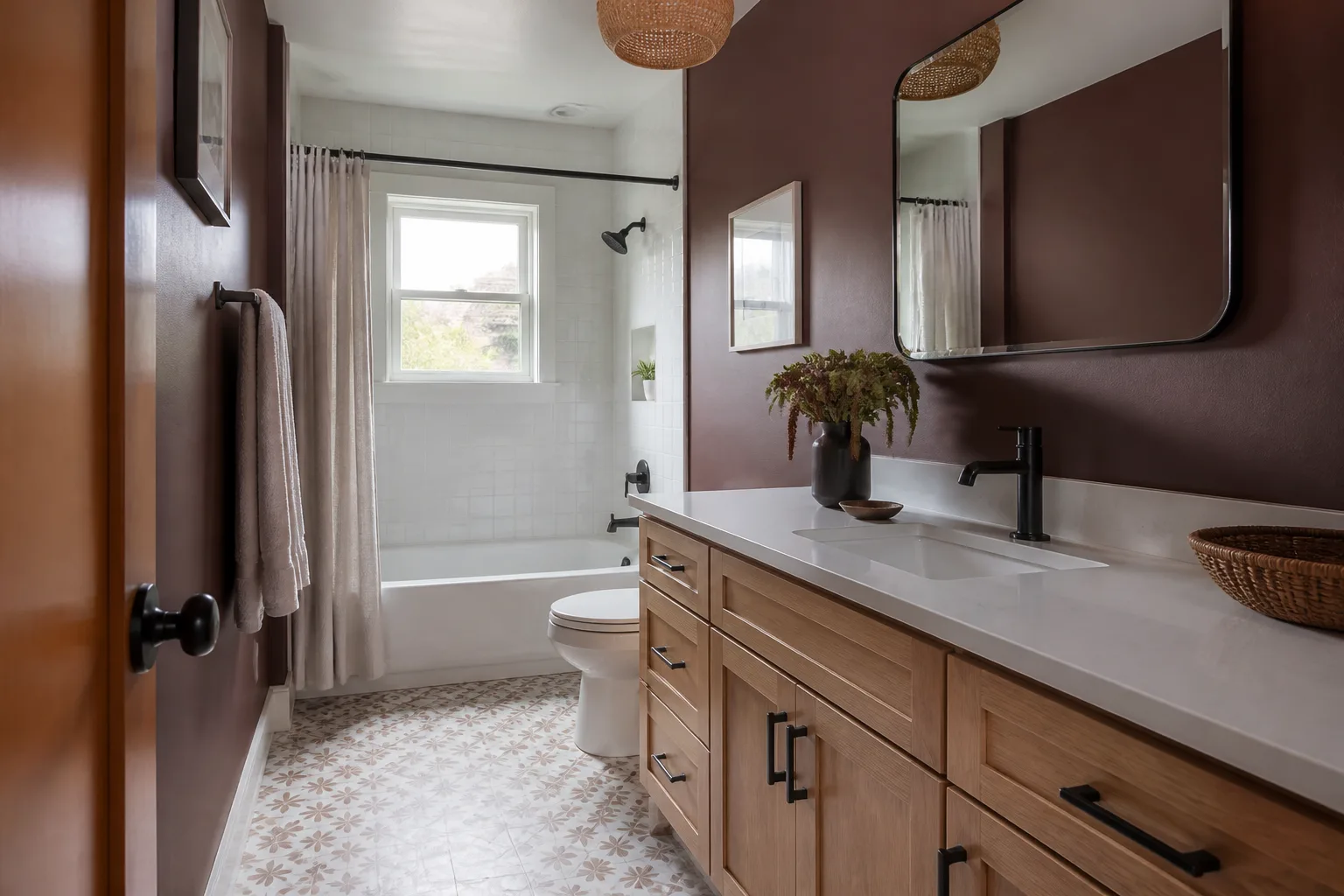
- Bathroom remodeling
- Home additions & ADU
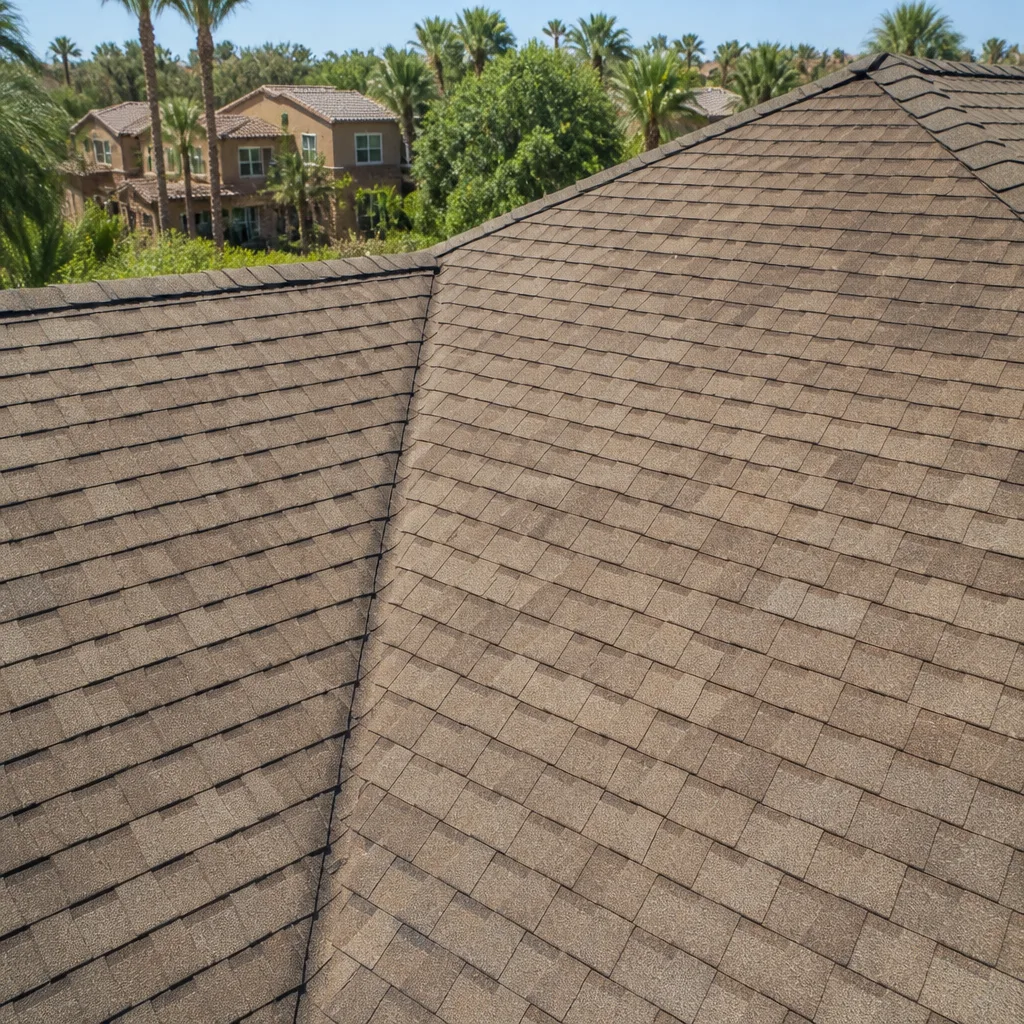
- Roofing
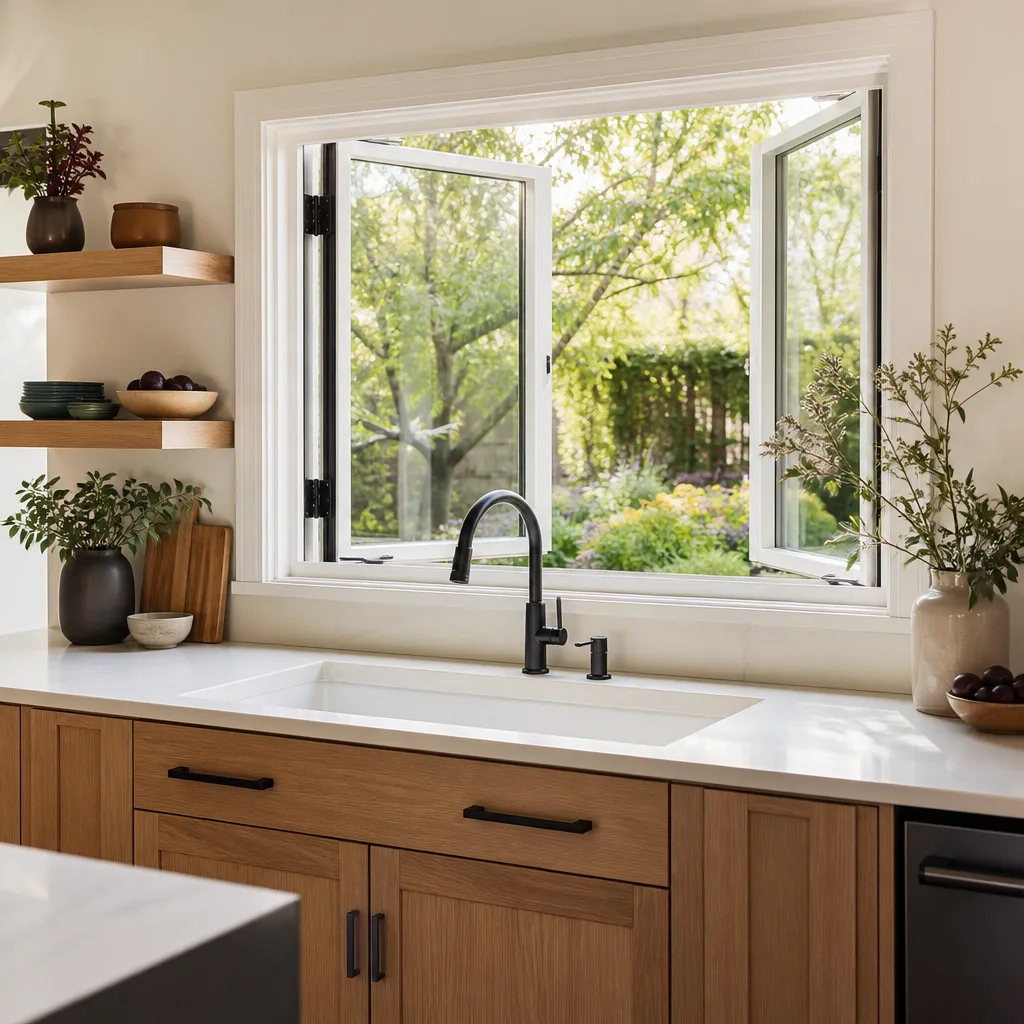
- Windows & doors
- Driveway & pavers
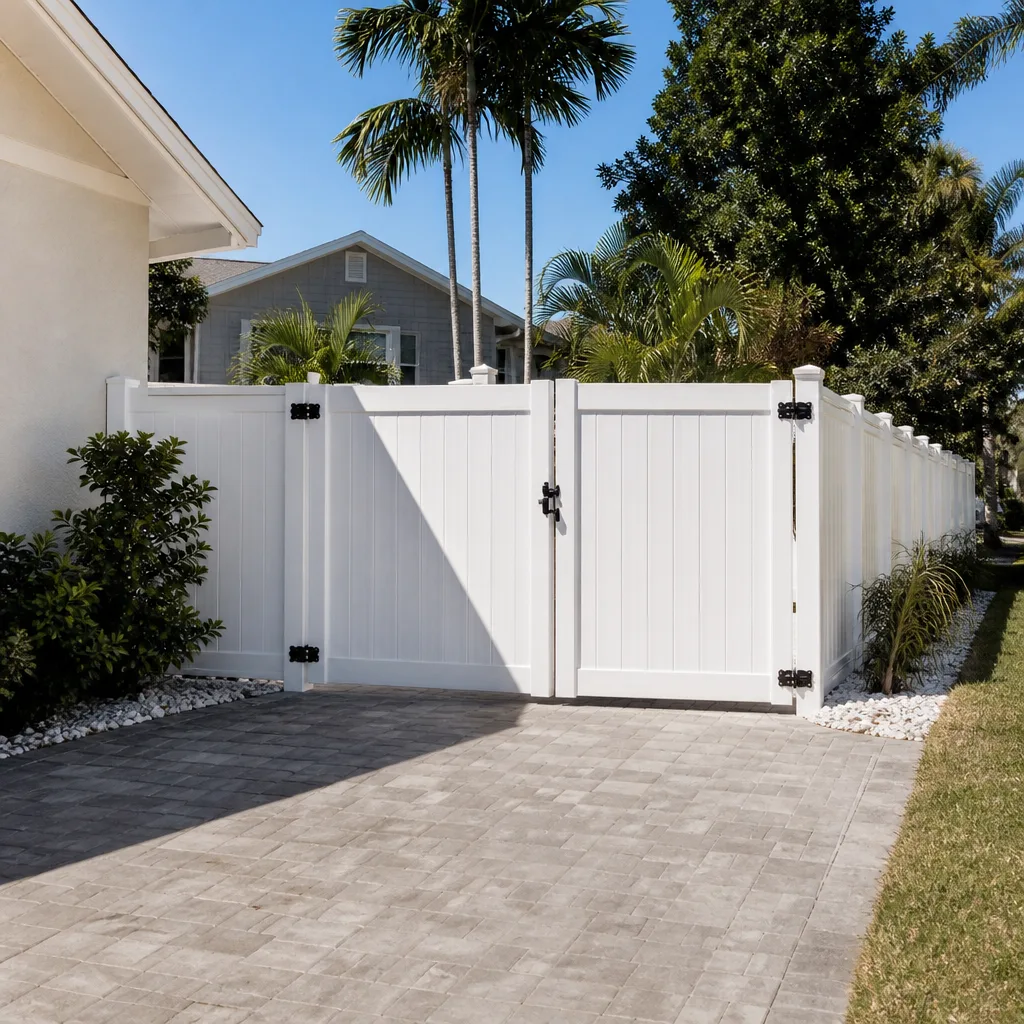
- Fence
Table of Contents
- The Five Documents That Must Exist Before a Shovel Touches the Ground
- The Structural Engineer Warning Sign
- Why Soil Conditions in North Las Vegas Change the Bid
- Change-Order Language That Hands Over Your Budget
- The Inspection Avoidance Pattern
- What a Realistic Home Addition or ADU Quote Looks Like
- Four Questions That Separate Documented Operators from Salespeople
- What the North Las Vegas Permit Timeline Actually Looks Like
The Five Documents That Must Exist Before a Shovel Touches the Ground
By the time a crew pulls up to your property, five documents should already exist and be in your hands or your email. Not “coming,” not “the office has it” – in your file. Walk through this list at signing. If any one is missing, you’re signing early.
- A signed contract with a written scope of work. The scope names what is being built, the square footage, the material systems, and what is excluded. If your quote says “home addition – see attached” and the attachment is one page, ask why.
- A permit application confirmation number for the specific parcel. North Las Vegas issues permits through its own building department, and the confirmation ties the application to your address. A contractor who hasn’t pulled the application number yet hasn’t started.
- Structural drawings stamped by a Nevada-licensed Professional Engineer (PE). Any scope that ties into the existing frame – second-story additions, bearing-wall removal, new load paths – requires a PE stamp. The stamp is a personal, legal attestation by a licensed engineer, and it’s the only thing standing between your load transfer and a guess.
- A soils report or an engineer’s written waiver for the specific parcel. More on why this matters in this valley in a moment – but a soils document references your lot, not a general market average.
- A subcontractor list with license numbers. Your framing, electrical, plumbing, and HVAC sub should all be named, with Nevada State Contractors Board license numbers you can verify yourself on the board’s public lookup.
Notice what isn’t on this list: a friendly handshake, a portfolio on a laptop, a verbal timeline. Those are nice. Documents are the thing that survives the ups and downs of a nine-month project. Under Clause 1 of the Haven Standard, we don’t put a tool on a job until the price and the scope are both in writing. It’s the same discipline we apply to every trade we quote, from kitchen remodels through full home additions and ADU work in North Las Vegas.
The Structural Engineer Warning Sign
Here is the sentence that should end your conversation with a contractor: “We don’t need an engineer for this.” If the scope adds a second story, removes a bearing wall, or attaches a new structure to an existing load path, that sentence is a stop sign. Full stop.
In North Las Vegas, additions that alter the load path of the house are reviewed by the building department with structural drawings behind them. Those drawings come from a Nevada-licensed structural PE, and they come with calculations. The engineer’s job is to look at the total load – dead load, live load, wind, and seismic, which matters in this region – and to specify the connections, hardware, and sizing that carry that load through both the new construction and the existing frame.
A few things to listen for that tell you a contractor understands what this means:
- They ask what year the existing house was built and which code cycle it was framed under.
- They ask for the original structural drawings if you have them, or ask you to check with the previous owner.
- They name the engineer – the PE’s name and license number – before the contract is signed, not after.
- They describe what the foundation connection will look like before you can ask.
A contractor who “has an engineer we work with” but can’t name the person, produce the license number, or show you a sample stamped drawing from a past project has not actually lined up the engineer. In our experience, “we’ll handle the drawings later” usually means the drawings cost is not yet in the price you were quoted. If your scope touches the structure, the engineer belongs in the original bid, not the second change order.
Why Soil Conditions in North Las Vegas Change the Bid
Here’s a warning sign specific to this valley, and one that gets missed on out-of-town bids: caliche and expansive clay are common in the soils across much of the Las Vegas Valley. Both of them change what kind of foundation your addition needs, and neither can be judged from a walk-through.
Caliche is a naturally cemented layer that forms under desert topsoil, sometimes only a few inches down and sometimes several feet. When a standard footing hits a caliche layer, someone has to either break through it, over-excavate around it, or redesign the foundation. Expansive clay does the opposite – it swells when wet and shrinks when dry, and a foundation that doesn’t account for that movement will move the walls above it. Neither is a dealbreaker. Both are a cost line.
The warning sign is simple: if a contractor hands you a fixed price for an addition foundation without asking about your parcel or referencing a soils investigation, either they have priced in a large contingency you didn’t ask for, or they haven’t priced the foundation at all. Either scenario produces an unwelcome surprise later. The bid that has a foundation line with a soils context behind it is the honest one.
North Las Vegas lots vary block by block. A custom-home parcel in the far north of the city may sit on entirely different material than an infill lot near downtown. Parcel-specific is the word. Anything else is a guess in a construction helmet.
Change-Order Language That Hands Over Your Budget
Read the change-order clause in your contract before you read anything else. This paragraph determines whether your project has a ceiling or not. Look for phrases like these:
- “Owner to pay cost plus…” (with no fixed percentage or cap)
- “Adjustments billed at time and materials…” (with no defined scope of when)
- “…at contractor’s discretion” for anything tied to money
- “Additional work to be quoted as needed” (which means not quoted now)
Any of those phrases is a mechanism for unlimited cost growth. A sound change order specifies the exact conditions that can trigger a change and puts a dollar cap on each one. If the contract has an allowance for, say, unforeseen framing repairs under the existing structure, the allowance should be a specific number with a specific consequence if it’s exceeded – and work stops until that new change order is signed. Not “proceeds at cost plus.”
The other piece of the same discipline: no work begins on a scope change until the change order is signed by both parties. That single administrative rule is the reason projects that follow it finish within a few percent of the number the customer agreed to. When we quote an addition, the change-order procedure is in the contract and it is named – you know exactly what a change looks like and exactly what it costs before anyone picks up a tool. If the contract you’re reading has one change-order paragraph that leaves the price open, keep reading other bids.
The Inspection Avoidance Pattern
If a contractor suggests skipping an inspection to save time, the sentence they’re saying is: we are transferring all code-compliance liability to you, permanently. That’s not a scary hypothetical. It’s the plain, legal reality of what happens when an addition gets built without a rough-in inspection signed off by the city.
The consequences stack fast:
- The homeowner’s insurance can be voided for unpermitted work. Many carriers exclude coverage for additions or ADUs built without inspection, and some will cancel the policy when they discover it at renewal or during a claim.
- The city can issue a stop-work order. A neighbor’s call or a permit audit can shut the site down, sometimes for weeks, while the paperwork catches up.
- Work may have to be uncovered. Rough-in inspections happen because the rough work will be hidden by drywall and finishes. If it fails after the fact, the wall has to come open again so an inspector can see the electrical, plumbing, or framing – at your cost, with no allowance from the contractor who skipped it.
- A future sale can stall. An unpermitted addition on a title report is one of the most common reasons deals fall through in North Las Vegas, and the buyer’s lender doesn’t care that the work “looks fine.”
North Las Vegas runs a real inspection process, and a real contractor knows the sequence: foundation, framing, electrical and plumbing rough-in, insulation, drywall nailing, final. A crew that’s done this before knows exactly which inspection happens when and can tell you the timeline from memory. If your contractor can’t recite the sequence, that’s the warning.
What a Realistic Home Addition or ADU Quote Looks Like
We won’t pretend there’s one price for an addition – local foundation conditions, finished square footage, and material lines all move the number. But we can tell you what a well-documented quote contains, and what a thin one looks like side by side.
A real, honest quote for an addition or ADU in North Las Vegas contains:
- Line items by trade. Foundation and slab, framing, roofing, windows and doors, electrical, plumbing, HVAC, insulation, drywall, flooring, paint, and finishes. Not one line that says “Addition – $XXX,XXX.”
- Specific brands on the finish lines. A window line that names the actual system (you should see a brand – the kind of thing a serious contractor names before you ask). A cabinet line, a countertop line, a roofing line. A quote that says “windows, allowance” without a brand isn’t quoted, it’s estimated.
- Sub list with license numbers, per trade. If they hand off work without disclosure, they’re hiding the crew.
- Explicit exclusions. What is not included matters as much as what is. Landscaping? Site cleanup beyond dumpster staging? Utility trenching?
- A written warranty at signing. Printed, not verbal. Ours is the 365-Day Done Right Promise and it’s backed by a terms page, not an asterisk.
One habit that saves real money on other trades, too: get the driveway, fencing, and hardscape quoted at the same time as the addition. Tear-out and re-grading around a new structure happens during the build, and getting paver driveway work in North Las Vegas and the fence installation in North Las Vegas scheduled in the right order saves a second mobilization.
Four Questions That Separate Documented Operators from Salespeople
This is the fastest test we know. Ask these four questions at the walk-through, before signing, and listen to how the answers come back. The person across the table is either operating from documents or from memory, and the difference shows in the first ten seconds.
- “Can you show me a sample of your scope of work, written out, not a summary?” A documented operator has a template, has examples, and hands them to you. A salesperson says “the scope is in the contract.”
- “Who is your structural engineer, and what is their license number?” For structural work, they should have a name. “We’ll line that up” is not an answer.
- “Have you pulled the permit application for this address yet, and what is the number?” On a real project the application exists before the contract signing, or within the first day. If it doesn’t exist at all, the timeline in the bid is fiction.
- “If a change comes up, walk me through the change-order procedure and the dollar cap.” Clear answer, no hedging. That’s the discipline showing.
For non-structural windows and doors, the same discipline applies a little differently. You should hear brand names – CWS, ES Windows, ECO Window Systems are the systems that get spec’d often around here – and you should hear which system is being specified for which exposure, not “standard windows.” Window allowance language in a structural addition scope is one of the sneakiest places to hide cost. If your quote says “window allowance,” ask for the brand and model.
What the North Las Vegas Permit Timeline Actually Looks Like
The single most common timeline fiction in a bid is the completion date. Here’s what the process actually looks like, and why a contractor who quotes you a realistic schedule is a warning sign in the opposite direction. If the schedule is too short, they haven’t been through this.
The realistic sequence:
- Design and engineering. Architectural drawings and the structural stamp land as a package, usually together.
- Permit submittal and review. North Las Vegas reviews structural, planning, and energy components. Plan review cycles – back and forth with comments – are the norm, not the exception.
- Permit issuance and site walk. Pre-construction site meeting, utility locates, staging plan.
- Sequence inspections. Foundation, framing, rough-ins, insulation, drywall, final, as we described earlier.
- Certificate of occupancy. Not before. This is the date that matters for insurance and resale.
A contractor who quotes you a schedule without a plan review window in it, or without inspections named, is guessing. When the schedule slips and the contract never mentioned inspections, that’s how projects acquire a “delay” that the homeowner eats. Push for the sequence in writing.
Common Mistakes to Avoid
- Signing a contract with one scope paragraph. If the scope is not broken down by trade, the price cannot be either. One paragraph in, one paragraph of protection out.
- Accepting a “standard” foundation without a soils reference. Caliche and expansive clay change the foundation on a lot-by-lot basis in this valley. Any fixed price that ignored your parcel is either padded heavily or guessing.
- Letting the engineer be “handled later.” Structural work without a stamped drawing is either going to slow down or get bounced at the permit counter.
- Signing a cost-plus or time-and-materials change-order clause. A change order should have a defined trigger and a dollar cap. Anything else is a blank check.
- Agreeing to skip an inspection “just this once.” That “just this once” is the moment your insurance coverage and your resale value take a permanent hit.
- Hiring a sub the contractor won’t name. Ask for the sub list with Nevada license numbers and verify a sample on the state board’s site yourself. It takes about two minutes.
- Reading a bid in one sitting and signing in the same visit. Additions run long. Sleep on it. Compare line items. Any contractor who pressures you on the same-day deposit is telling you what the rest of the project will feel like.
See the difference
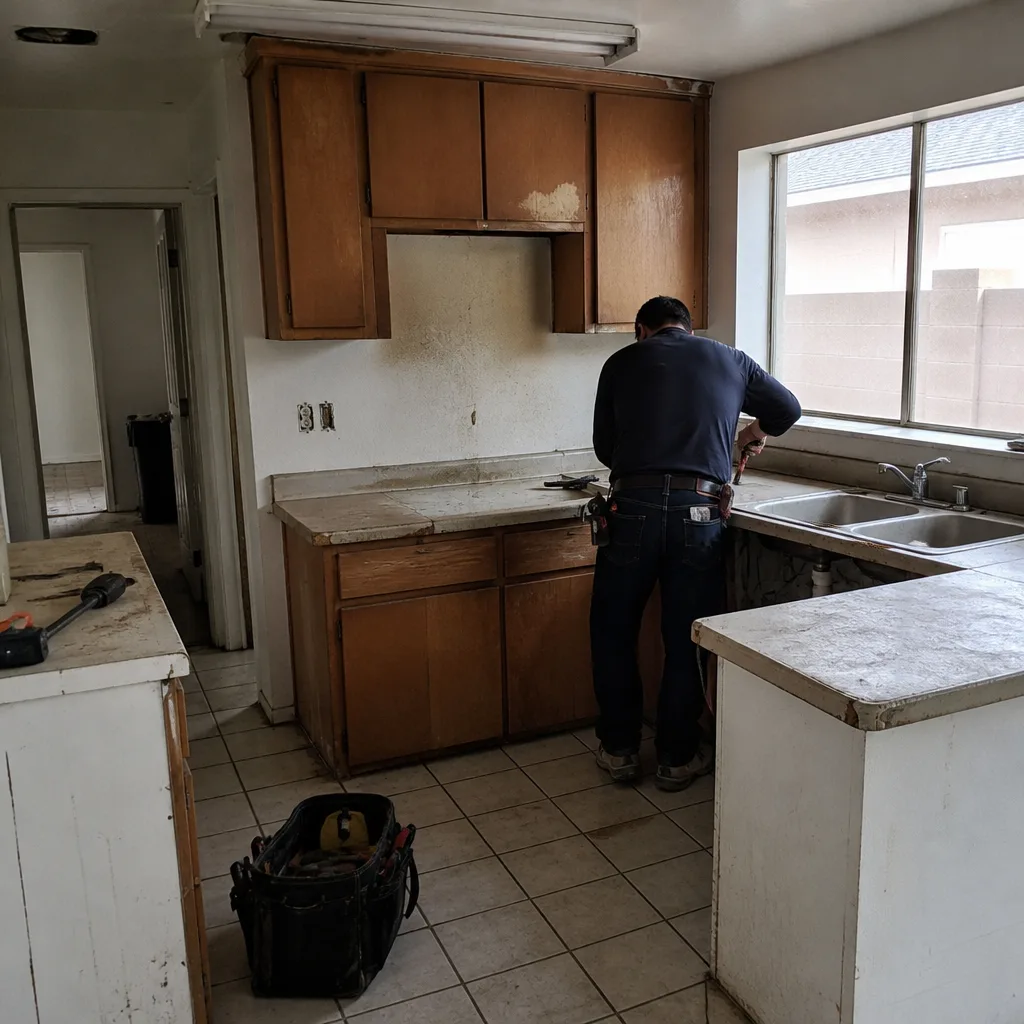 Before
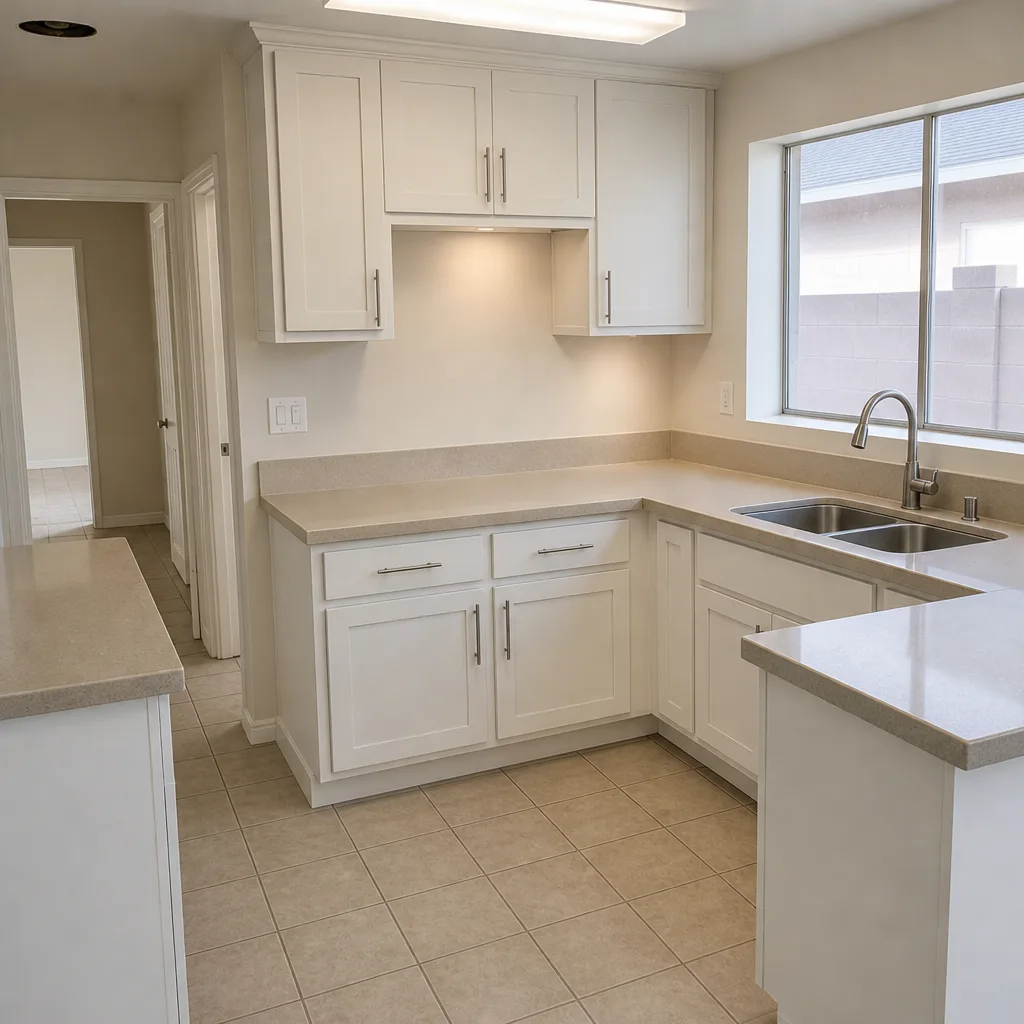 After
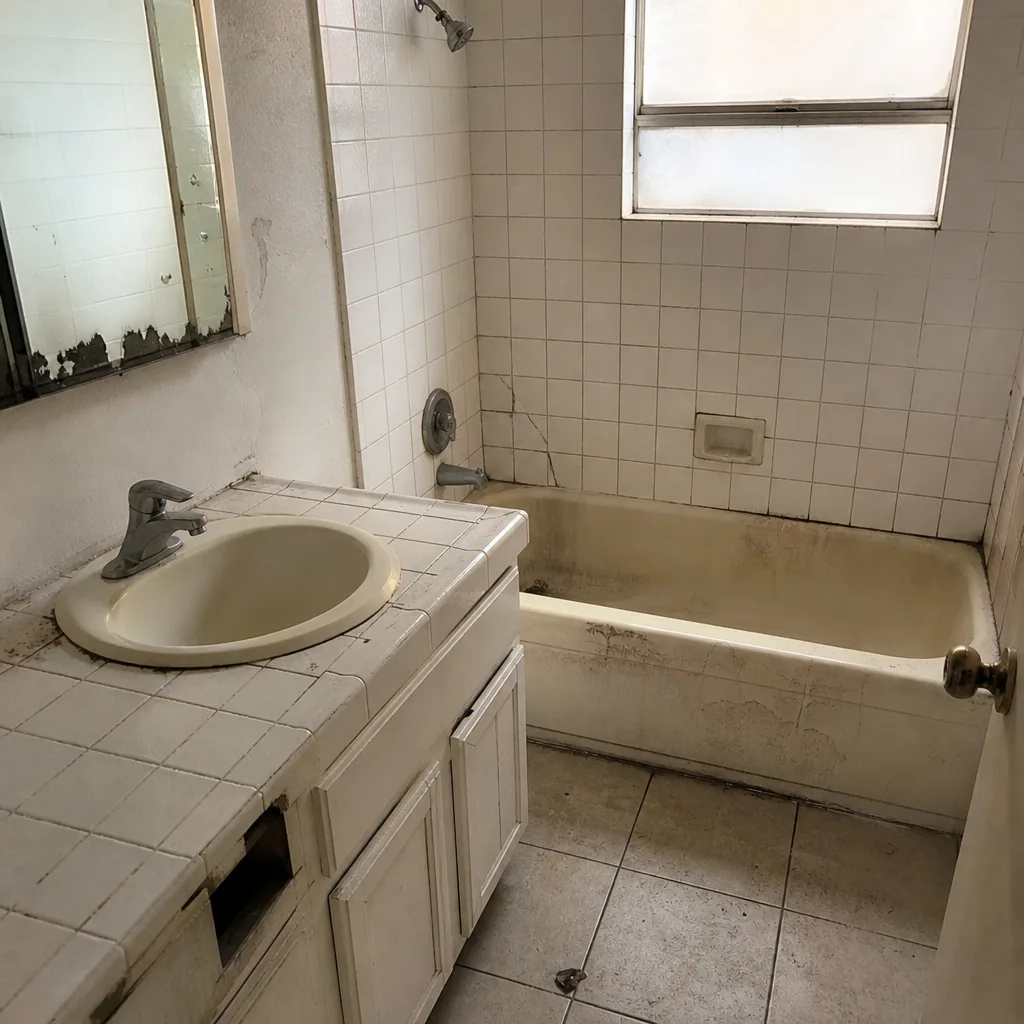 Before
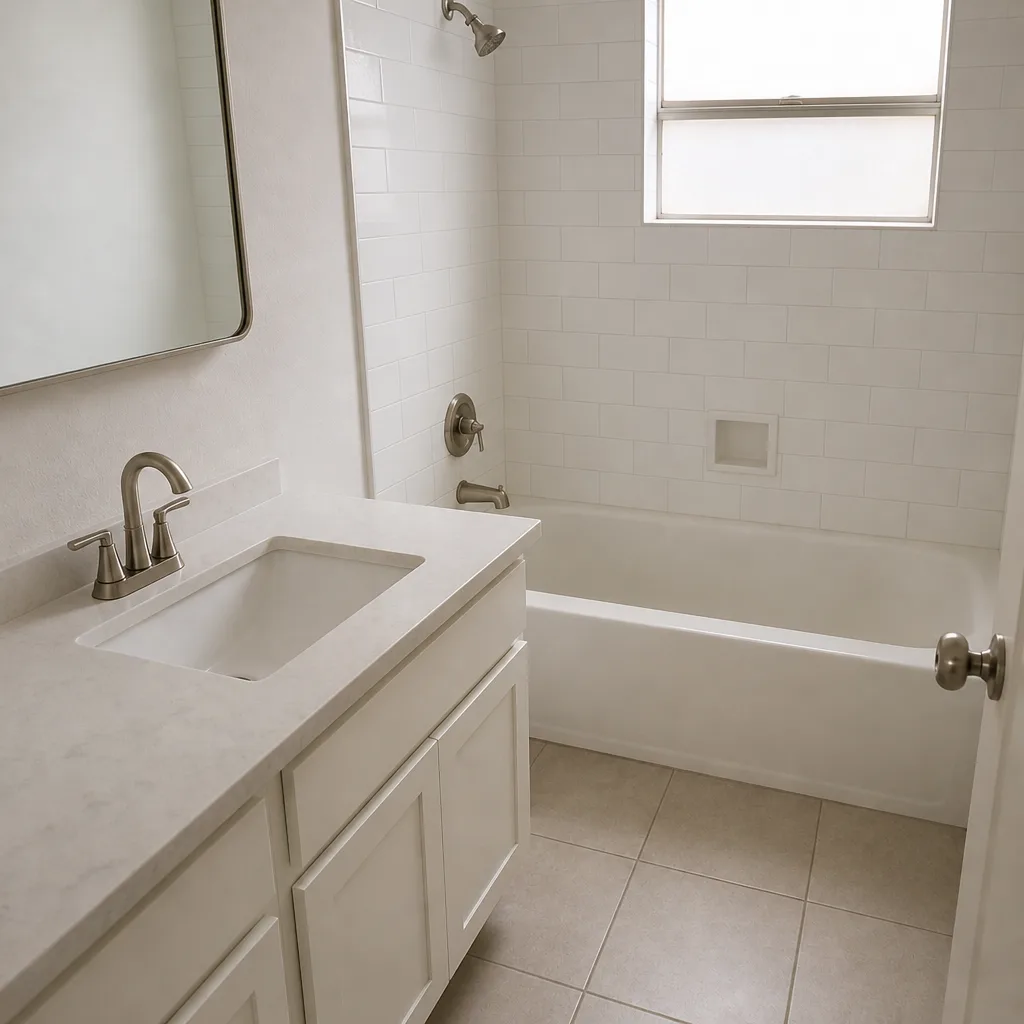 After
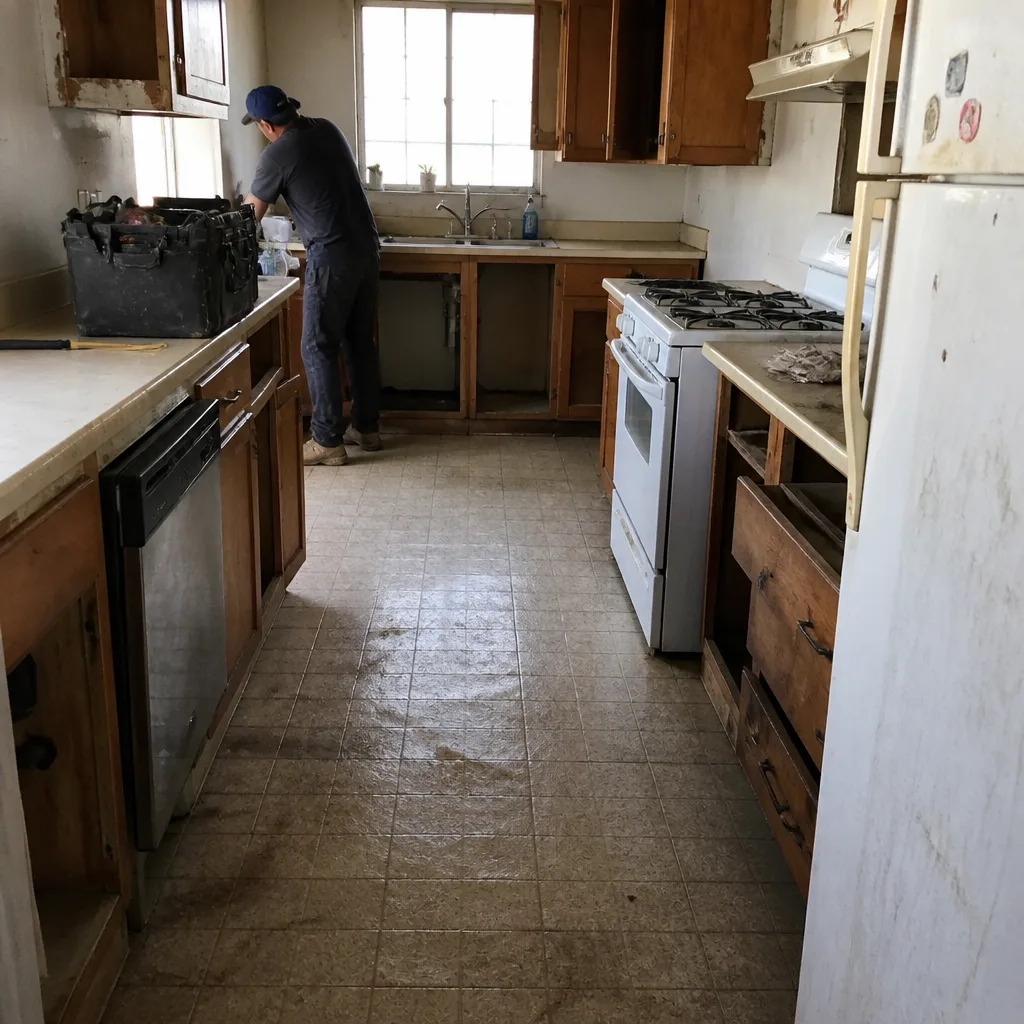 Before
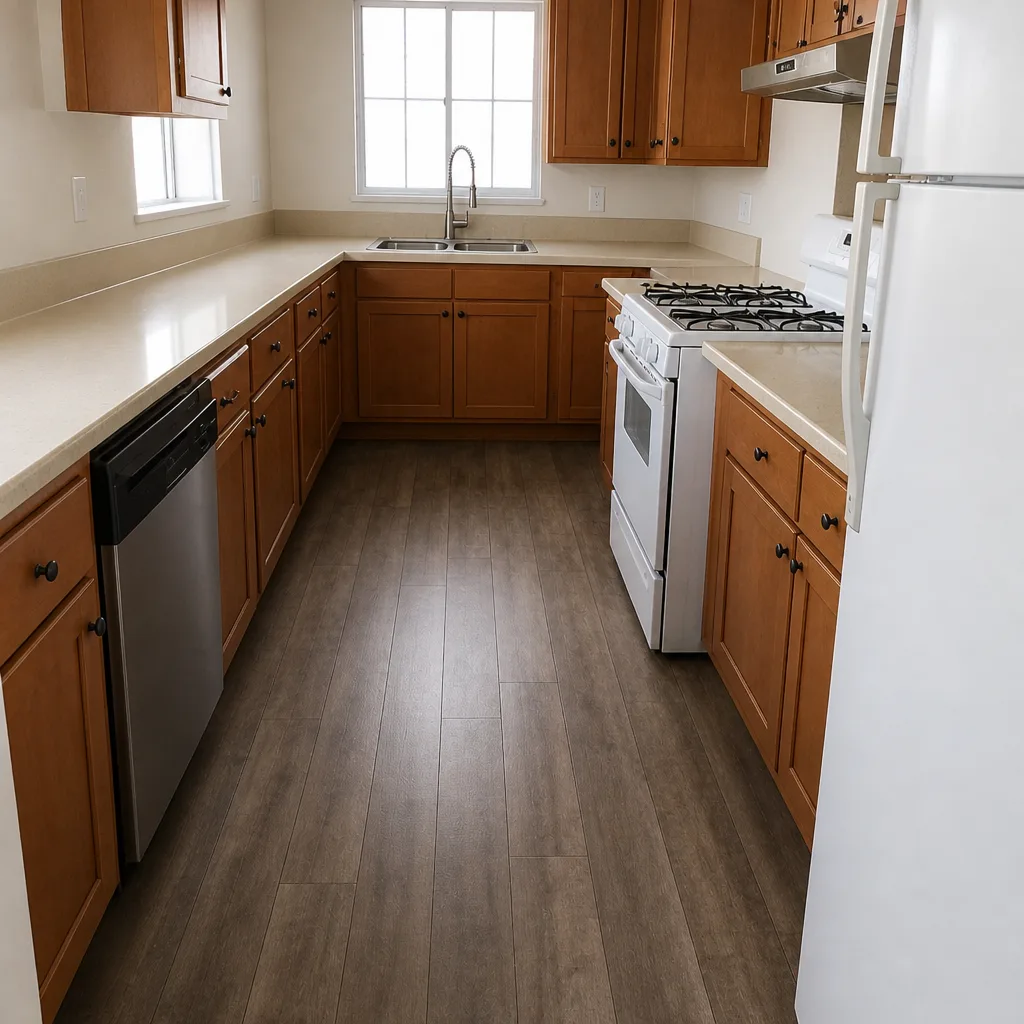 After
When to Call a Professional
If you’re earlier in the process than a signed bid, a free estimate is the cheapest thing you’ll buy on this project. Here are the scenarios where we’re most useful to hear from:
You have a quote in hand and you’re not sure whether the line items are complete – bring it in and we’ll review it line by line at no charge under our Free Second Opinion. You’re considering a second story, a bearing-wall removal, or an ADU on a lot that has never had a parcel-specific soils investigation. You’re reading a contract with change-order language you don’t trust. Or you’ve inherited a partially-built addition and need a documented path forward. Rowan Construction Group North Las Vegas offers free estimates in North Las Vegas – call (844) 708-4417. Our technicians have up to 19 years of experience, and every visit includes a documented photo record as a standard deliverable.
Frequently Asked Questions
A bid without a line-item scope of work by trade is the biggest warning sign. Without trade-by-trade line items, the fixed price has nothing to attach to, and every “unforeseen” cost later becomes a change order you can’t argue with. Ask to see a sample scope before you sign.
You need a Nevada-licensed structural PE stamp whenever the addition ties into the existing load path – a second story, a bearing-wall removal, a new opening in a load-bearing wall. For a ground-level bump-out that doesn’t touch the load path, the requirement is narrower, but the engineer still typically signs the foundation and connection details. Any contractor who waives the engineer on structural scope is the red flag.
Because caliche and expansive clay are common in the Las Vegas Valley, and both affect what foundation your addition needs. A soils report for your specific parcel tells the engineer what the soil will do under load and movement. A bid that prices a foundation without a soils reference is either padded or guessing – and you’ll find out which one at rough-in.
No. Skipping an inspection transfers all code-compliance liability to you, permanently. Your homeowner’s insurance can be voided for unpermitted work, the city can issue a stop-work order, and any hidden defect requires the work be uncovered at your cost. The week saved becomes months of risk.
Look for dollar caps and defined triggers. A sound clause names exactly what conditions can trigger a change order and specifies the maximum dollar amount for each. Language like “cost plus,” “time and materials,” or “at contractor’s discretion” for undefined scenarios means the price has no ceiling. If any of that language is in your contract, get it rewritten before you sign.
At minimum: a written scope by trade, specific brands on finish lines, a named structural engineer with license, a permit application confirmation for the parcel, a soils reference, a subcontractor list with Nevada license numbers, a written warranty, and a change-order procedure with dollar caps. If the quote is a single page with a total at the bottom, it isn’t a quote. Call (844) 708-4417 for a free estimate and a written scope you can compare line by line.
The Bottom Line
The warning signs that predict a failed addition are visible before construction: a contract missing the scope and change-order cap, a bid missing the engineer and the soils reference, a schedule missing the plan review window. Catch those on paper and you’ve caught them for good. If a North Las Vegas contractor can’t produce the five documents covered here in writing, walk away – the price they’re quoting you is a starting point, not a finish line. And if you want a scheduled look at your scope with the documentation named, Rowan Construction Group North Las Vegas offers a written price before any work starts, on every trade. Call (844) 708-4417 for a free estimate – the quote is a flat price with a written scope and a written warranty, and a second opinion on any written bid you already have is free.
Written by the team at Rowan Construction Group North Las Vegas.