Last updated November 18, 2026

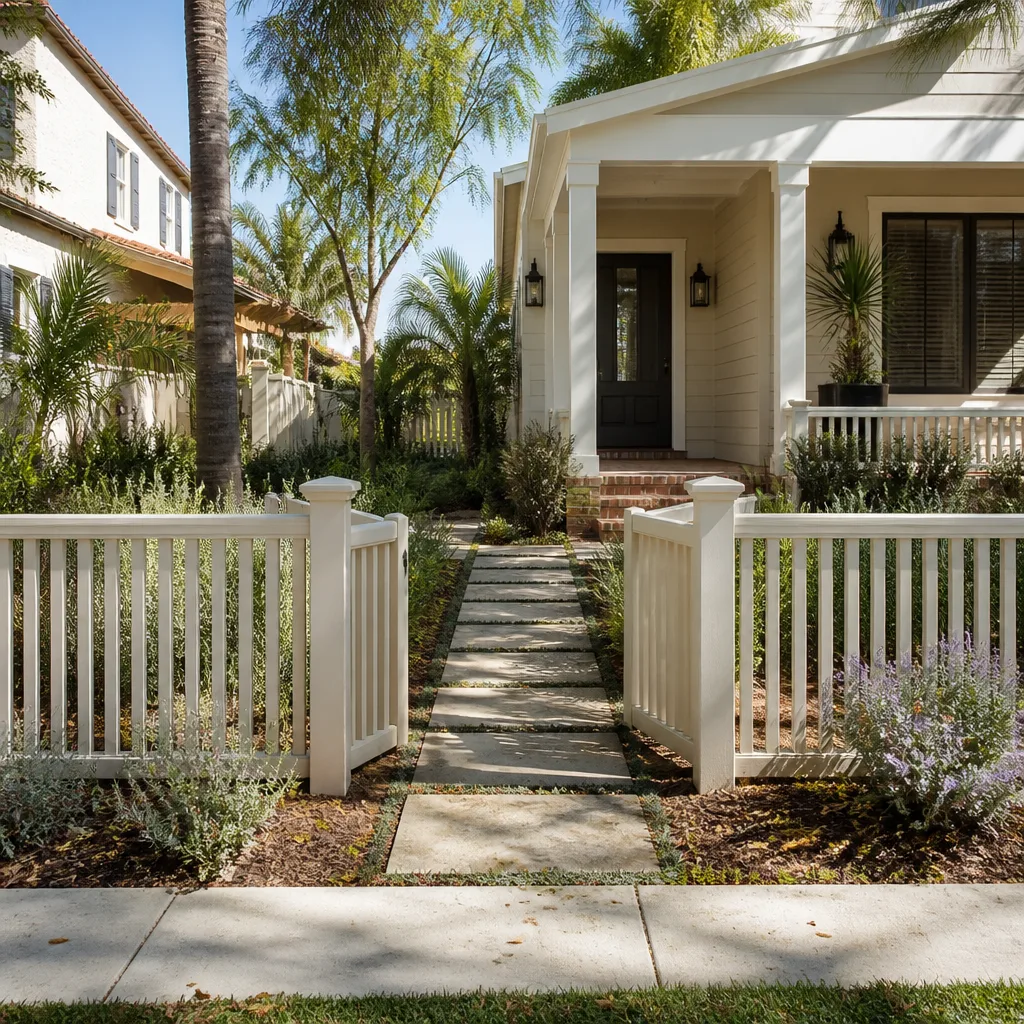
Free written scope consultation - allowances, timeline, and change-order rules on paper before a single trade is scheduled
Seasonal Construction Care for North Las Vegas: Year-Round Homeowner’s Guide
Concrete flatwork in North Las Vegas can push past 160°F at the surface in July. That’s hot enough to oxidize a compromised sealer in weeks and open hairline cracks that sat dormant all spring. The damaging season here isn’t summer – it’s a six-month heat arc from April through September, capped by a monsoon window that throws water at a foundation that’s been baking for months. This guide organizes exterior and structural maintenance around that stress sequence instead of a temperate four-season template, so you can spend the right weekends on the right tasks. We’ll cover pre-heat prep, peak UV, monsoon drainage, the cool transition, and the freeze-risk window, with time estimates and clear flags for what you should hand to a licensed contractor.
Quick Answer
North Las Vegas seasonal construction care is organized around five functional seasons, not four: pre-heat prep (February-March), peak UV (April-June), monsoon (July-September), cool transition (October-November), and freeze risk (December-January). The most cost-effective work happens before April – sealer inspection, stucco crack audit, and roof membrane checks – because exterior surfaces entering the heat arc with a compromised top coat fail faster and cost more to fix. Monsoon drainage verification in July is the second critical touchpoint, since foundation soil here is graded to shed water fast and any slope failure shows up within one storm.
Styles & brands we work with
- Kitchen remodeling
- Bathroom remodeling
- Home additions & ADU
- Roofing
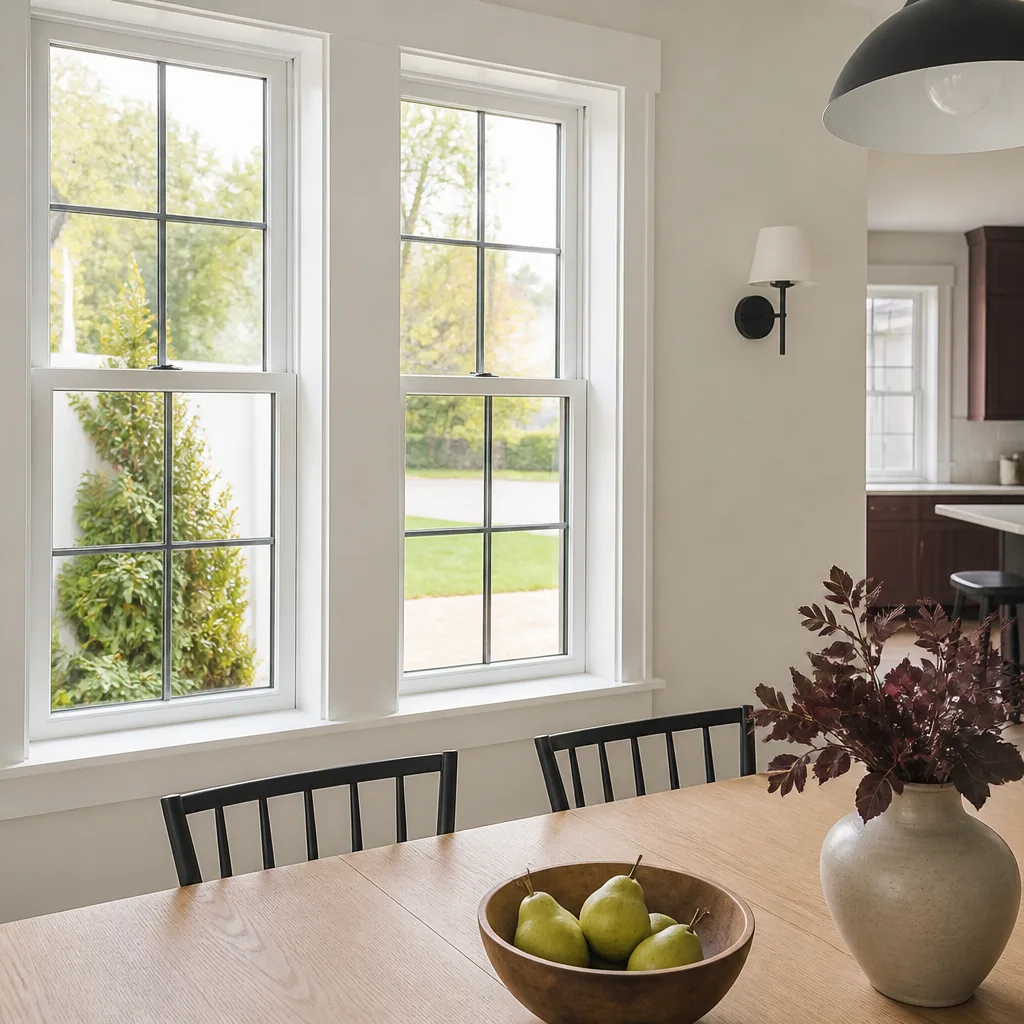
- Windows & doors
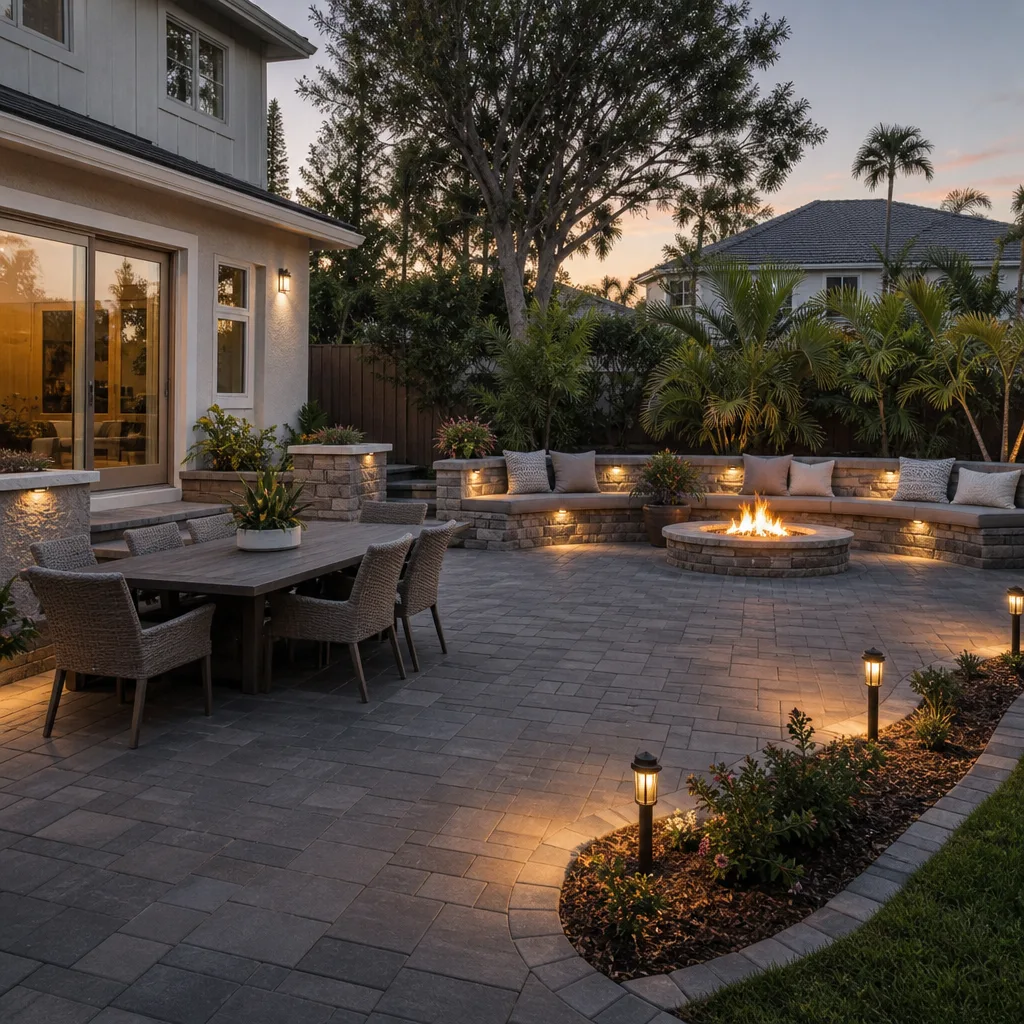
- Driveway & pavers
- Fence
Table of Contents
- North Las Vegas’s Five Functional Seasons
- Pre-Heat Prep (February-March): Exterior Surface Tasks
- Peak UV (April-June): Roof and Sealant Work
- Monsoon (July-September): Drainage and Grading Checks
- Cool Transition (October-November): Window for Big Projects
- Freeze Risk (December-January): Pipe, Caulk, and Crack
- The One-Page Annual Task Calendar
- Frequently Asked Questions
North Las Vegas’s Five Functional Seasons
The calendar shows four seasons. A construction-care calendar for North Las Vegas really has five, and the boundaries don’t sit where Eastern or Midwestern guides put them. What matters is the dominant stress mechanism in each window, because that’s what dictates which tasks belong there and which tasks are wasted effort if you do them out of order.
- Pre-heat prep (February-March): Dominant stress is thermal ramp – surfaces that go from 60°F mornings to 95°F afternoons in a matter of weeks. Sealers either cure properly or they don’t. Cracks are still workable. This is the highest-ROI window on the calendar.
- Peak UV (April-June): Dominant stress is ultraviolet and heat cycling. Asphalt shingles on a north- or west-facing plane here take more UV load than they would two climate zones cooler. Roofs, sun-facing stucco, and exterior paint fail first.
- Monsoon (July-September): Dominant stress is moisture delivered to desert-dry soil. Clay-heavy soil swells on contact with concentrated water, then shrinks as it dries. Grading and drainage are the whole game.
- Cool transition (October-November): Dominant stress is thermal contraction as surface temps drop 40-50°F from August highs. The cracks that appear here are the ones that started in July. This is the best working window for large projects.
- Freeze risk (December-January): Dominant stress is the handful of nights that actually matter. North Las Vegas averages 10-15 nights below 32°F per year – enough to burst an uninsulated exterior pipe, not enough to justify winterizing as though you live in Reno.
If you’re considering larger structural work rather than reactive maintenance, our Rowan Construction Group North Las Vegas home page lays out the seven trades we handle under The Haven Standard, and everything else in this guide assumes a piecemeal maintenance approach, not a rebuild.
Pre-Heat Prep (February-March): Exterior Surface Tasks
Everything you do in February and March is about getting surfaces to April in a condition that can survive the six-month heat arc. The specific tasks are concrete sealer inspection, stucco crack audit, and roof membrane or tile inspection – in that order, because each one can change what you do to the next.
1. Concrete Sealer Inspection and Re-Application Triggers
Walk your driveway, patio, and any flatwork that gets full sun in the afternoon. Water is your instrument: pour a small cup across the surface. If it beads and sits for 30 seconds or more, the sealer is holding. If it darkens the concrete within a few seconds and soaks in, the top coat is gone or compromised and needs re-application before heat arrives. A penetrating sealer applied in February cures through March nights and is fully set before the surface crosses 100°F. If you skip it, oxidation accelerates all summer and you’re resealing in July or replacing panels in three years. Re-seal every two to three years in North Las Vegas, more often on any west-facing flatwork. Our Driveway & Pavers in North Las Vegas team can assess whether a re-seal is enough or whether panel replacement is the better spend.
2. Stucco Crack Audit
Hairline cracks under 1/16 inch wide are typically cosmetic and sealable with an elastomeric patch. Cracks wider than 1/8 inch, stair-step cracks that follow a block course, or any crack that shows horizontal offset are structural and should be looked at by a licensed contractor before you patch anything. Patching a structural crack hides the diagnostic evidence and lets moisture in. In our inspections around Aliante and the older 89030 blocks, the widest cracks usually appear at corner returns and above windows – both are classic stress concentrations and both should be inspected, not assumed.
3. Roof Membrane or Tile Inspection Sequence
Inspect from the ground with binoculars first, then have a licensed roofer get on the surface. Look for lifted shingle tabs, granule accumulation in gutters, cracked or slipped tile, and visible membrane seams. Tamko and Boral both publish service-life expectations for their shingle and tile products that assume a UV exposure curve; North Las Vegas runs above that curve, so a 25-year shingle may realistically deliver 18-20 here. Get the inspection done in February or March so any partial replacement can be scheduled before roof surface temperatures make the work slow and expensive.
Peak UV (April-June): Roof and Sealant Work
Once April hits, surface temperatures on shaded-sealer-protected roofs and sun-facing walls run hot enough that many sealant and coating products won’t apply cleanly. That’s not a reason to skip tasks – it’s a reason to sequence them early in the morning or push them to September. Here’s what actually needs attention in this window and what can wait.
- Skip roof coatings in this window unless scheduled pre-dawn. Roof surface temps on a dark shingle at 2pm in June routinely exceed 150°F. Most roof coating specs stop applying at 120°F ambient surface. Late September through November is the better window.
- Do inspect and replace failing attic vents and flashing boots. This is small-scope work and doesn’t require a full roof day. Failing boots are the number-one source of interior ceiling stains we see in monsoon complaints.
- Do exterior caulk inspection. Caulk fails faster than people think in this heat – a bead that looked fine in February may show cracking by June. Walk every window and door penetration and note any bead that’s separated from the frame. Caulk penetration is where monsoon moisture typically enters a wall assembly.
- Don’t paint stucco now. Even with elastomeric paint rated for high temperatures, application in the April-June window is a schedule problem. October and November are when exterior paint actually holds. Push it.
- Do inspect window seals and thresholds. PGT and CGI both engineer window units to handle high thermal movement, but the seal around the frame – not the glass – is the failure point. If you see daylight or feel warm air leaking on a closed window, that’s a re-seal, not a replacement.
The general principle: April through June is a diagnostic season, not an apply season. Use it to make a list. Apply in October and November.
Monsoon (July-September): Drainage and Grading Checks
This is the window where North Las Vegas foundation and slab work fails from water, not heat. The soil here is graded to shed monsoon rain fast, and once that grading fails, water pools against a foundation that hasn’t seen moisture in four months. Verify three things before the first real storm.
Area Drain Flow Rate Test
Run a hose full-tilt into your lowest area drain for five minutes. If the water doesn’t disappear as fast as the hose delivers it, the drain is partially blocked and needs clearing. A partially blocked area drain backs up in a storm harder than a fully blocked one because it looks functional. Clear leaf litter, decomposed granite, and sediment from the drain body and the line.
Downspout Extension Placement
Every downspout should discharge at least 4-6 feet from the foundation wall, onto graded soil that slopes away. In North Las Vegas, discharge straight down the wall is the single most common pre-monsoon mistake we see on newer builds. A $15 flexible extension installed in June prevents a $6,000 foundation repair in five years. Check each downspout outlet from a standing position – if you can see the outlet drop water within 12 inches of the wall, extend it.
Verify the 2% Grading Slope
The local grading standard for positive drainage is a minimum 2% slope away from the foundation within 10 feet. You can verify this yourself with a 4-foot level and a little arithmetic: place the level against the soil surface, perpendicular to the wall, and measure the gap under the downhill end. A 4-foot span at 2% slope has a gap of about 1 inch (0.96 inches, to be exact). If your gap is closer to 1/4 inch, you have roughly 0.5% slope and should regrade before monsoon season.
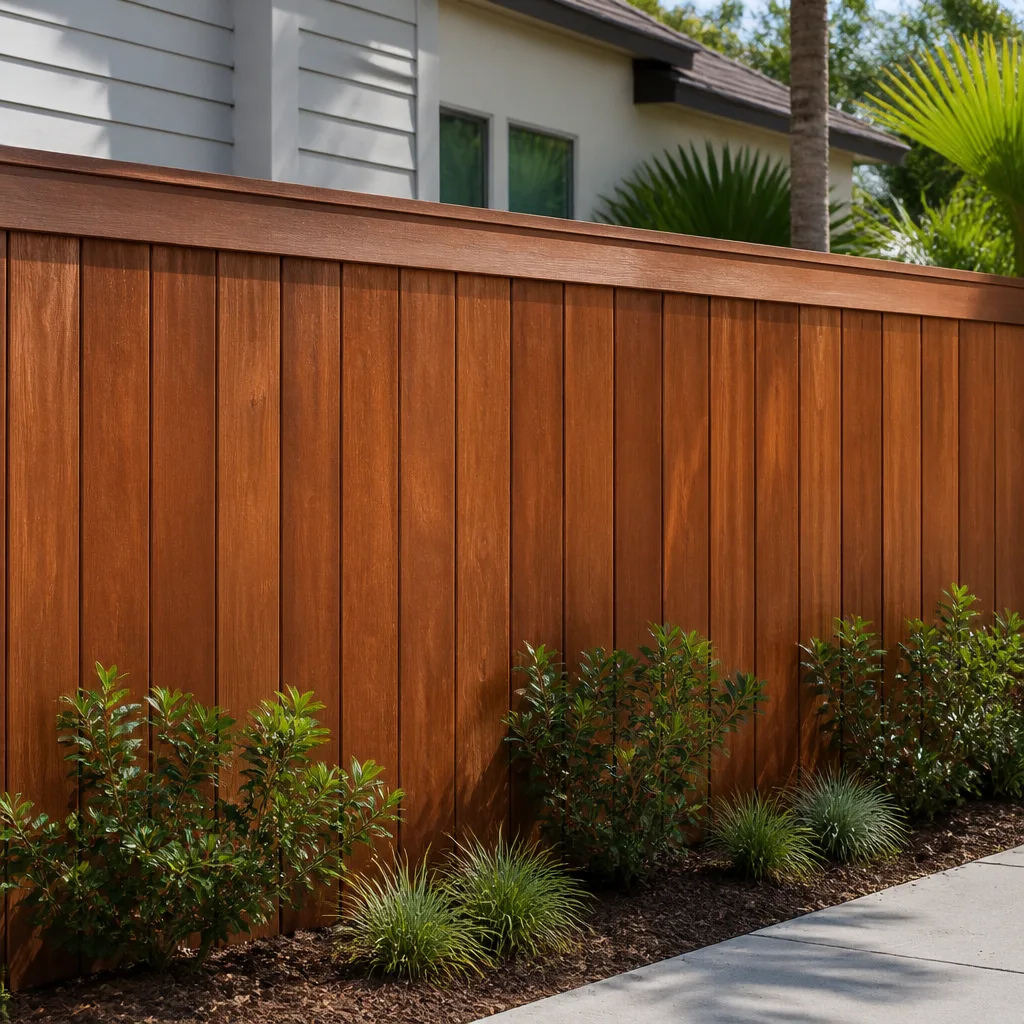
If you’re also checking privacy walls and side-yard enclosures as part of the storm-prep checklist, our Fence Installation in North Las Vegas team handles post-set inspection and gate alignment, both of which move in a monsoon season if the original post footings were undersized.
Cool Transition (October-November): Window for Big Projects
This is the best working window in North Las Vegas. Surface temps drop into safe application ranges for paint, sealer, and roofing. Mornings are cool enough for crews to work through the day without heat stress. Concrete cures at a rate that doesn’t flash-dry. If you’re planning an addition, a kitchen remodel, or a paver project, October and November are when the schedule holds.
What’s worth doing in this window:
- Exterior paint and stucco patch: Elastomeric coatings apply cleanly, cure properly, and set before the first cool nights.
- Roof coating and partial replacement: Surface temps in the apply range for most products through November.
- Concrete sealing (second application if February’s coat failed): Water-bead test again before re-sealing.
- Paver installation and re-sanding: Joint sand sets at cooler temps without warping.
- Window replacement: Frame expansion and contraction are gentler this time of year, and sealant cures more predictably.
If you’re planning anything larger – a casita, an in-law suite, a workshop – the planning window in October and November is when permits move fastest, and our Home Additions & ADU in North Las Vegas team can put numbers to the plan before you commit to a build schedule. Get the written price in this window and the actual build can land in the spring without a delay.
Freeze Risk (December-January): Pipe, Caulk, and Crack
North Las Vegas averages 10-15 nights per year below 32°F. That’s not a real winter, but it is enough nights to burst an uninsulated exterior hose bib, crack a sealed driveway joint, or open an exterior caulk line that’s been slowly losing adhesion since summer. Three specific tasks.
- Insulate exposed pipe runs and hose bibs. Any exterior line, any pipe run through an unheated garage corner, and every hose bib gets foam pipe insulation or a hose-bib cover. A $4 cover on a $40 hose bib is a cheap trade. A burst line in a wall cavity is a $2,000 to $8,000 repair, plus the drywall and flooring that go with it.
- Inspect exterior caulk on every penetration. Windows, doors, dryer vents, AC line sets, hose bibs, and electrical penetrations all get a bead check. Any bead that shows separation from frame or wall surface needs replacement. Use a 100% silicone or polyurethane sealant rated for exterior use – not painter’s caulk.
- Seal driveway and hardscape cracks before ground movement season. Hairline cracks that sat dormant all fall open further as cool nights arrive and clay soil contracts. A polyurethane crack filler applied in December sets before the January cold snap and holds through the spring thaw cycle.
The One-Page Annual Task Calendar
Print this. Post it on the inside of a garage cabinet door. The right column tells you whether the task is DIY or needs a licensed contractor.
- February – March (pre-heat prep): Concrete sealer inspection + re-application if water bead fails (3-5 hours, DIY on small flatwork; contractor on large driveways). Stucco crack audit (1 hour, DIY). Roof membrane and tile inspection (1 hour ground-check, DIY; on-roof inspection by licensed roofer).
- April – June (peak UV): Attic vent and flashing boot inspection (1 hour ground-check, DIY; boot replacement by licensed roofer). Exterior caulk audit (2 hours, DIY). Window seal check (1 hour, DIY). No coatings.
- July – September (monsoon): Area drain flow test (15 minutes per drain, DIY). Downspout extension check and re-extension (30 minutes, DIY). 2% grading slope check with 4-foot level (30 minutes, DIY). Any regrading by licensed contractor.
- October – November (cool transition): Exterior paint and stucco patch (contractor for anything over touch-up). Roof coating (contractor). Concrete re-seal if bad (2-4 hours, DIY small; contractor large). Paver re-sanding (contractor for anything over 200 sq ft).
- December – January (freeze risk): Pipe insulation and hose-bib covers (1 hour, DIY). Exterior caulk inspection and replacement (2 hours, DIY). Driveway crack sealing (2 hours, DIY on hairline; contractor for structural).
Common Mistakes to Avoid
- Applying sealer or paint in July. Surface temperatures run too high for products to cure properly, and the coating fails within a season. Wait for October.
- Treating monsoon-season foundation cracks as cosmetic. If a crack appeared between July and September, it’s moisture-related and should be assessed, not patched. Water intrusion in a monsoon window has a predictable failure curve over the next two years.
- Using painter’s caulk on exterior penetrations. It fails within one summer in North Las Vegas. The exterior bead on every window and dryer vent needs 100% silicone or polyurethane, period.
- Skipping the 2% grading check. Homeowners who assume the builder graded correctly in 2018 are the ones calling us in the fall about foundation moisture. Verify it yourself with a 4-foot level and a tape measure.
- Winterizing as if this were a mountain climate. Excess winterizing wastes money and stresses pipe fittings. Focus on the 10-15 nights that matter, not a full-season strategy.
- Waiting for a visible failure before acting. The sealer, caulk, and drain tests are 15-minute jobs. Waiting for a crack, a ceiling stain, or a puddle turns them into week-long repairs.
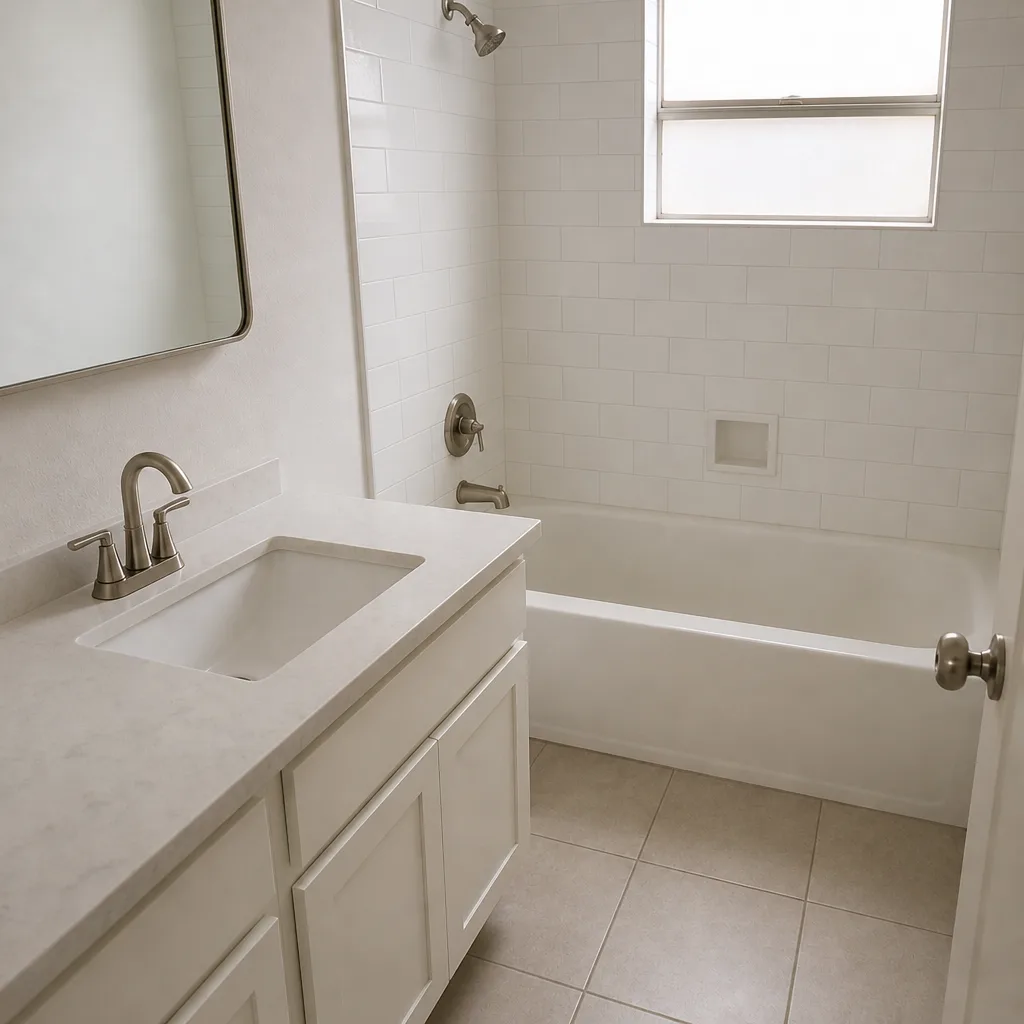
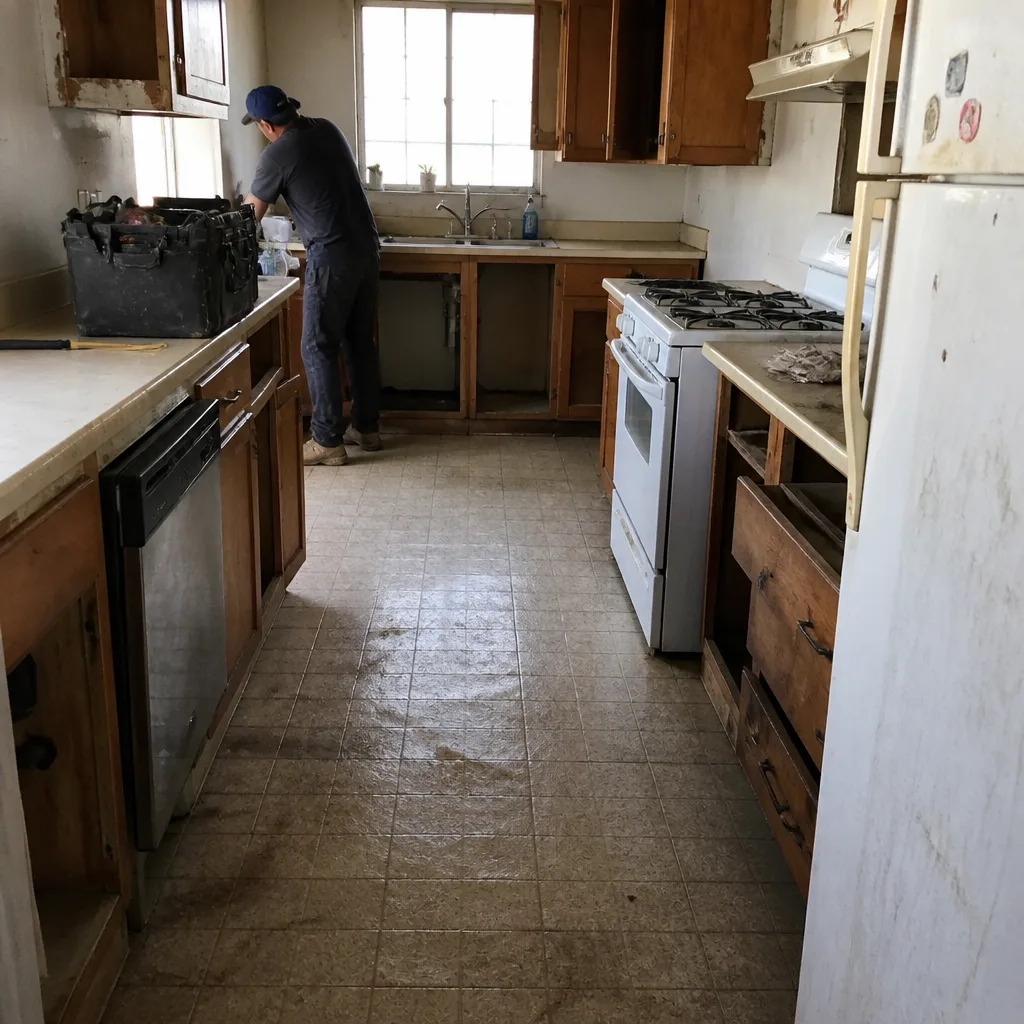
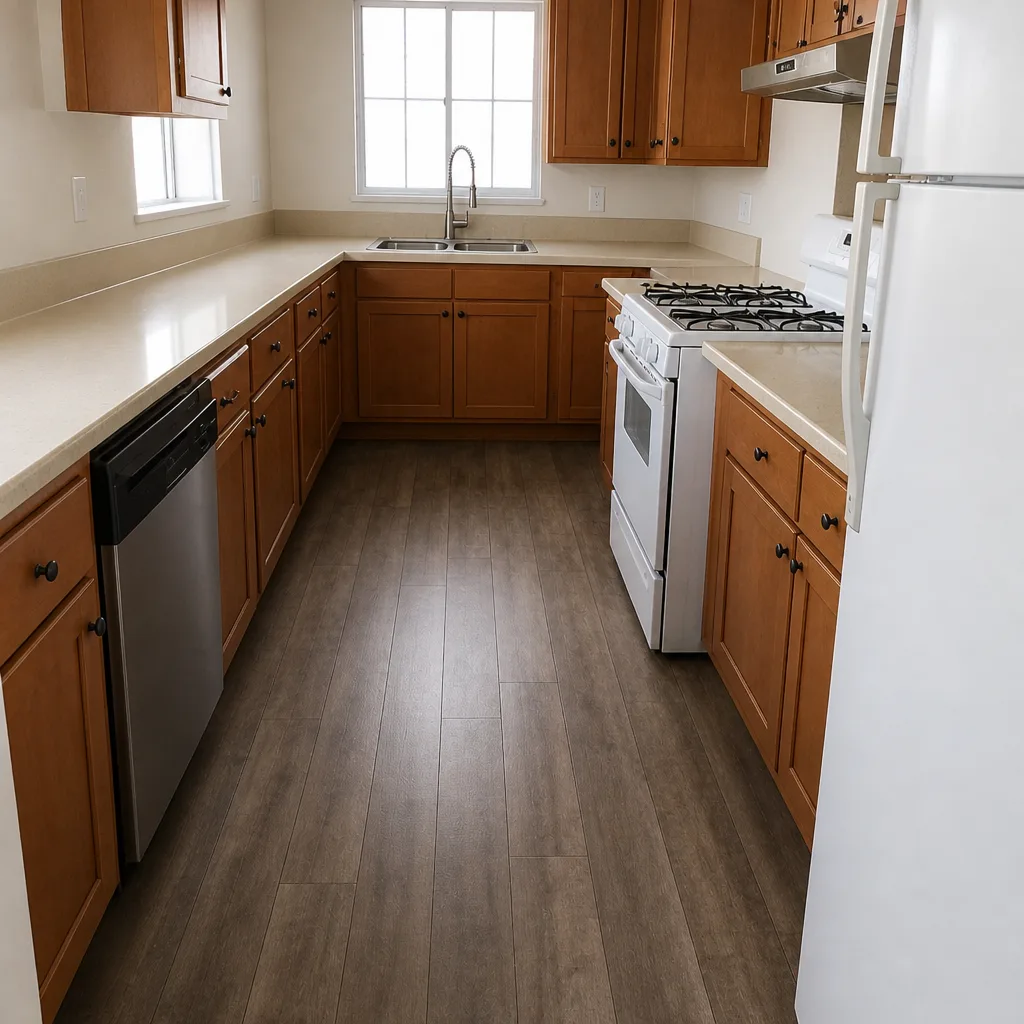
See the difference
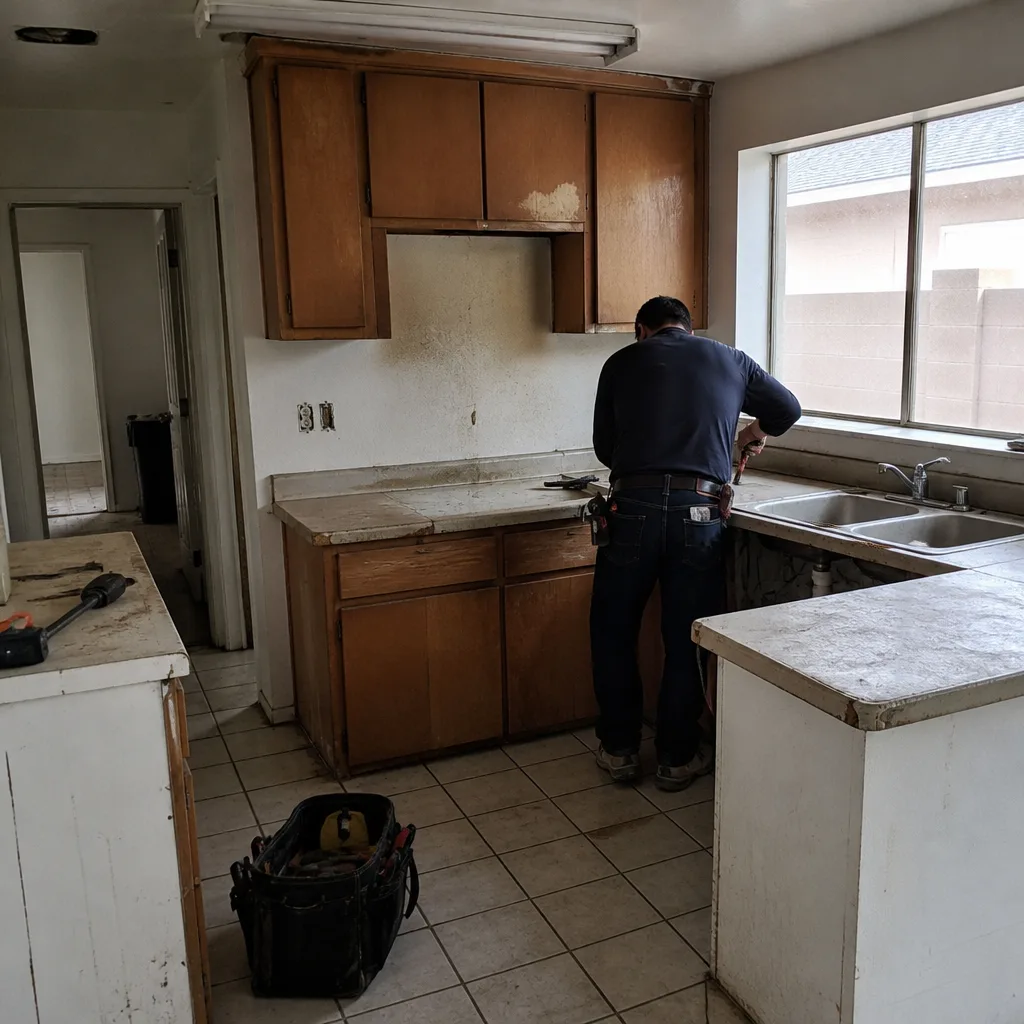 Before
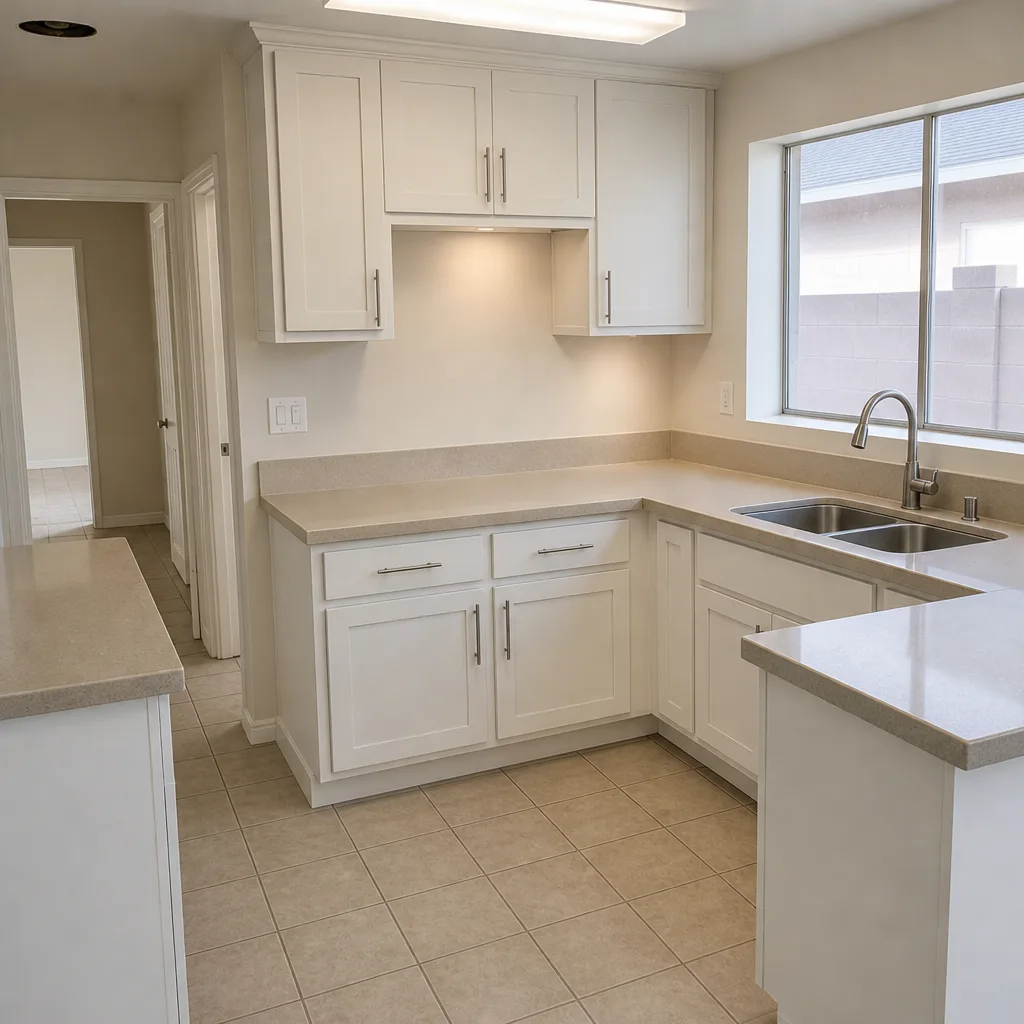 After
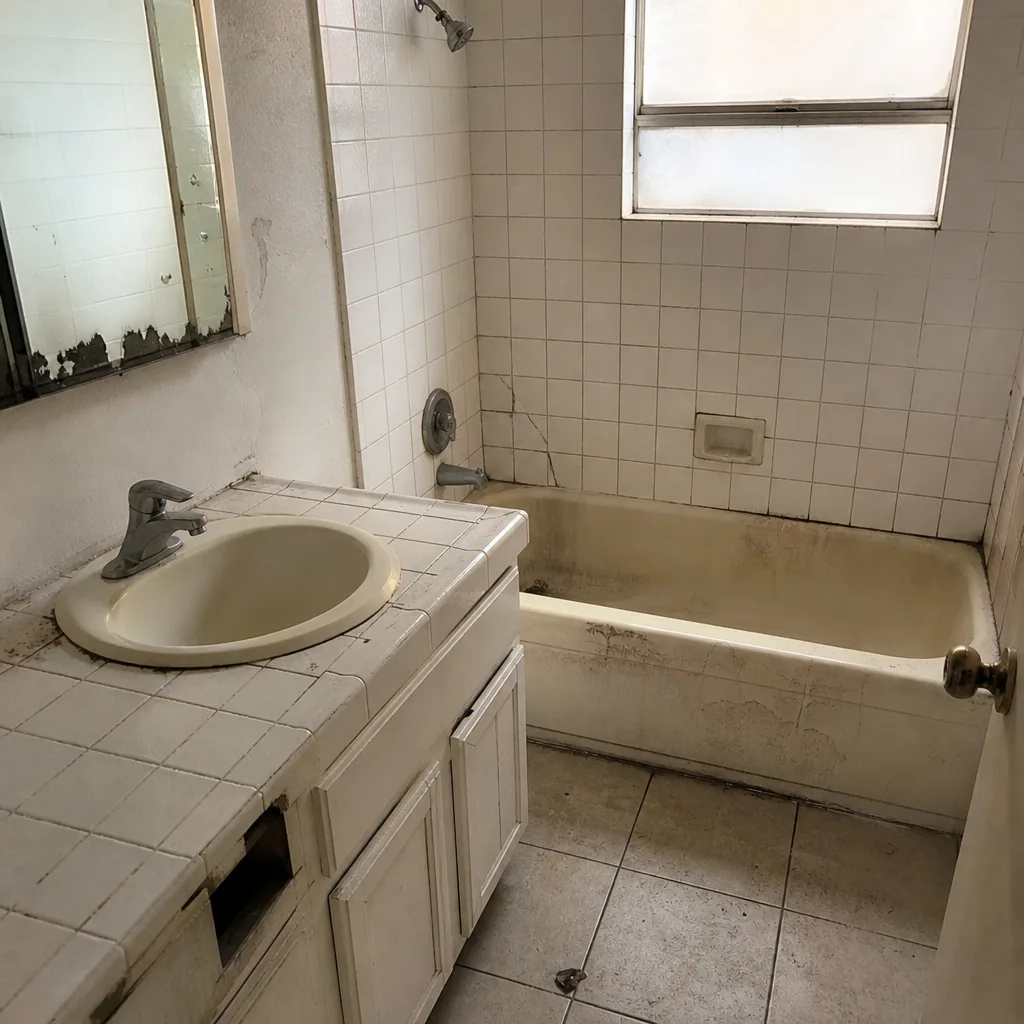 Before
 After
 Before
 After
When to Call a Professional
Bring in a licensed contractor for anything that touches structural cracking, roof surfaces, electrical or plumbing penetrations, foundation grading, or any project large enough to require a permit. Specifically: stucco cracks wider than 1/8 inch, cracks that show horizontal offset, any crack over a window or door head, roof tile or shingle replacement, exterior pipe re-routing, and any regrading that moves more than a yard of soil. Those are the situations where a DIY fix either hides evidence or creates a code problem. Rowan Construction Group North Las Vegas offers free written estimates in North Las Vegas – call (844) 708-4417. Every quote is a flat written price with a written scope before any work starts, and no change order gets enacted without your signature.
Frequently Asked Questions

Every two to three years for a penetrating sealer, and every one to two years on west- or south-facing flatwork, because UV exposure is concentrated on those planes. If your water bead test fails in February, reseal before April. Call (844) 708-4417 for a written estimate on resealing or full replacement – estimates are free.
Short downspout discharges that drop water within 12 inches of the foundation wall. Extension cost is minor; a foundation repair from repeated monsoon saturation is not. Verify each downspout discharges at least 4-6 feet from the wall onto graded soil.
You need to insulate exposed pipe runs and hose bibs, but you don’t need a full mountain-climate winterization. The city averages 10-15 nights below 32°F per year, enough to burst an uninsulated line but not enough to justify a whole seasonal strategy.
Hairline cracks under 1/16 inch are usually cosmetic and can be patched with an elastomeric filler. Cracks wider than 1/8 inch, stair-step cracks, or cracks with horizontal offset should be assessed by a licensed contractor before you patch anything.
October and November for permits and planning, and February through April for the actual build. Contractors are less backlogged in the cool transition, permits move faster, and exterior work holds through spring. Call (844) 708-4417 and we’ll put a written price against your scope before you commit to a schedule.
No – not if the scope is written. Every Rowan project, from a paver repair to a full addition, is quoted with a flat written price and a written scope before work starts, and no change order proceeds without a signed change order. That’s Clause 1 of The Haven Standard, and it’s the discipline behind 4,000-plus jobs staying within a few percent of the agreed number.
The Bottom Line
North Las Vegas doesn’t reward a generic four-season maintenance calendar. It rewards a homeowner who knows there are five functional seasons and treats February-March and July as the two dates that matter most. Seal before the heat arc. Grade before the monsoon. Caulk before the freeze nights. October is your working month for anything large, and everything else is a 30-minute check you can do yourself with a 4-foot level, a hose, and a flashlight. If a task crosses the line into structural or permitted work, get the written price before anyone starts – that’s the standard we build to under The Haven Standard, on every trade, every time.
Contact
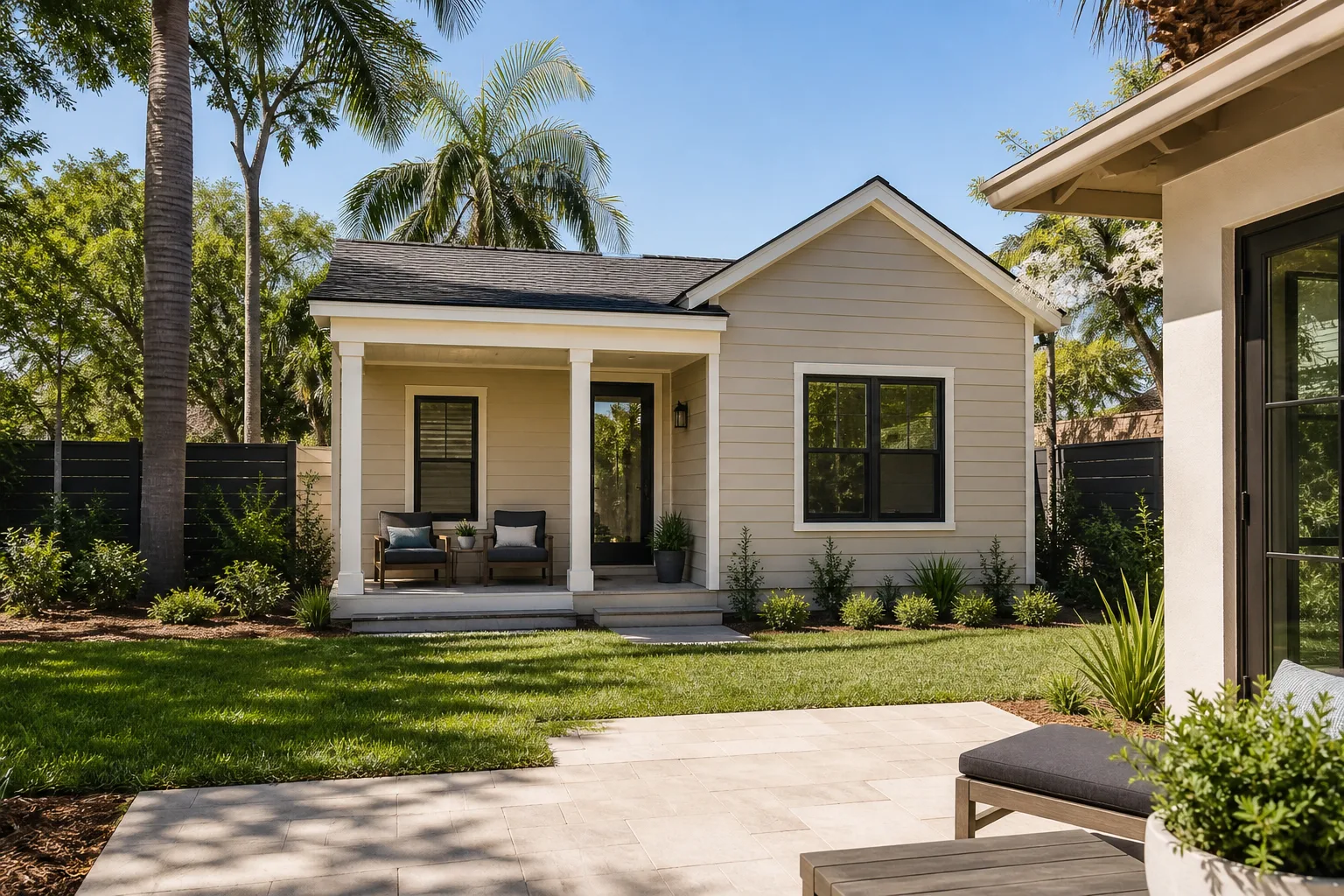
If you’re ready to move a seasonal task or a larger project forward with a written price in hand, call Rowan Construction Group North Las Vegas at (844) 708-4417 for a free estimate. We’ll walk the property, describe what we found in plain terms, and put the number in writing before anyone picks up a tool. Every visit includes a documented photo record, and the 365-Day Done Right Promise applies to every project we deliver.
Written by the team at Rowan Construction Group North Las Vegas.