

Free written scope consultation - allowances, timeline, and change-order rules on paper before a single trade is scheduled
Styles & brands we work with
- Kitchen remodeling
- Bathroom remodeling
- Home additions & ADU
- Roofing
- Windows & doors
- Driveway & pavers
- Fence
See the difference
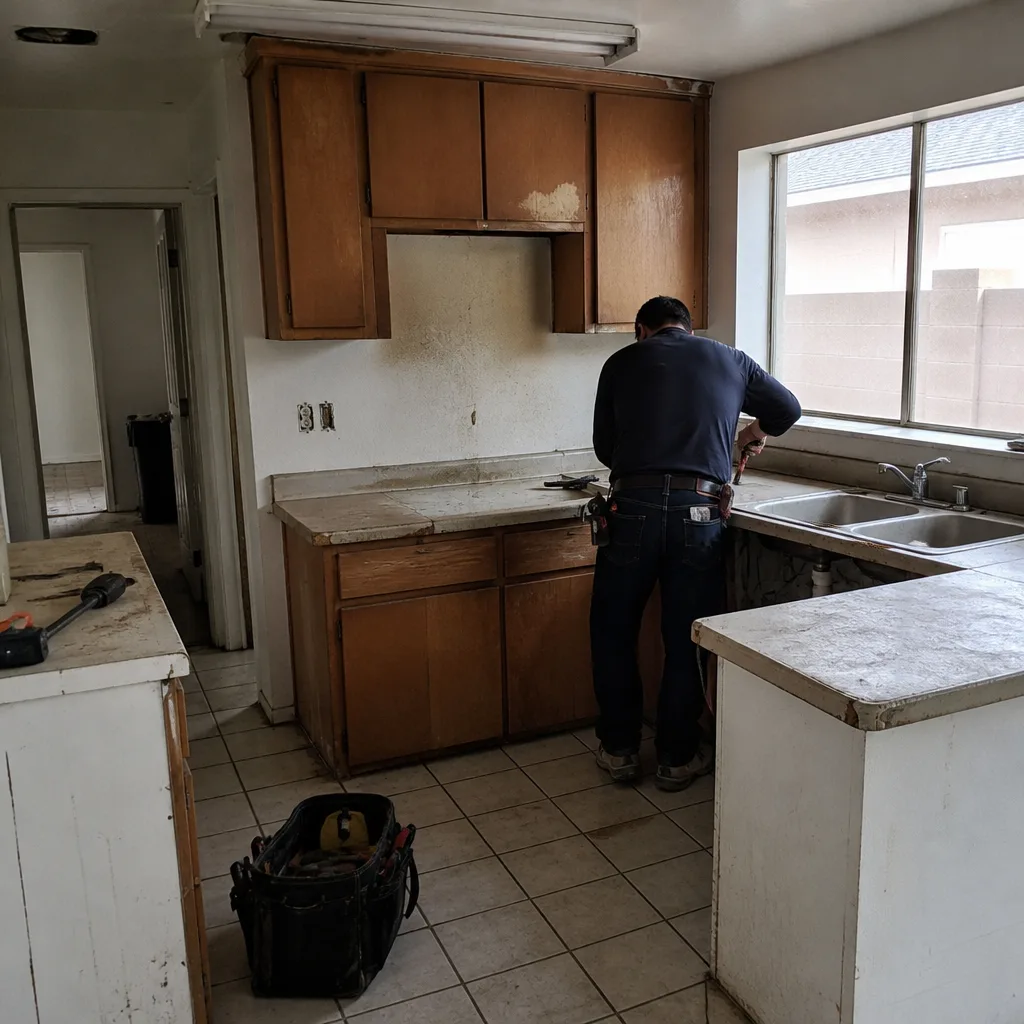 Before
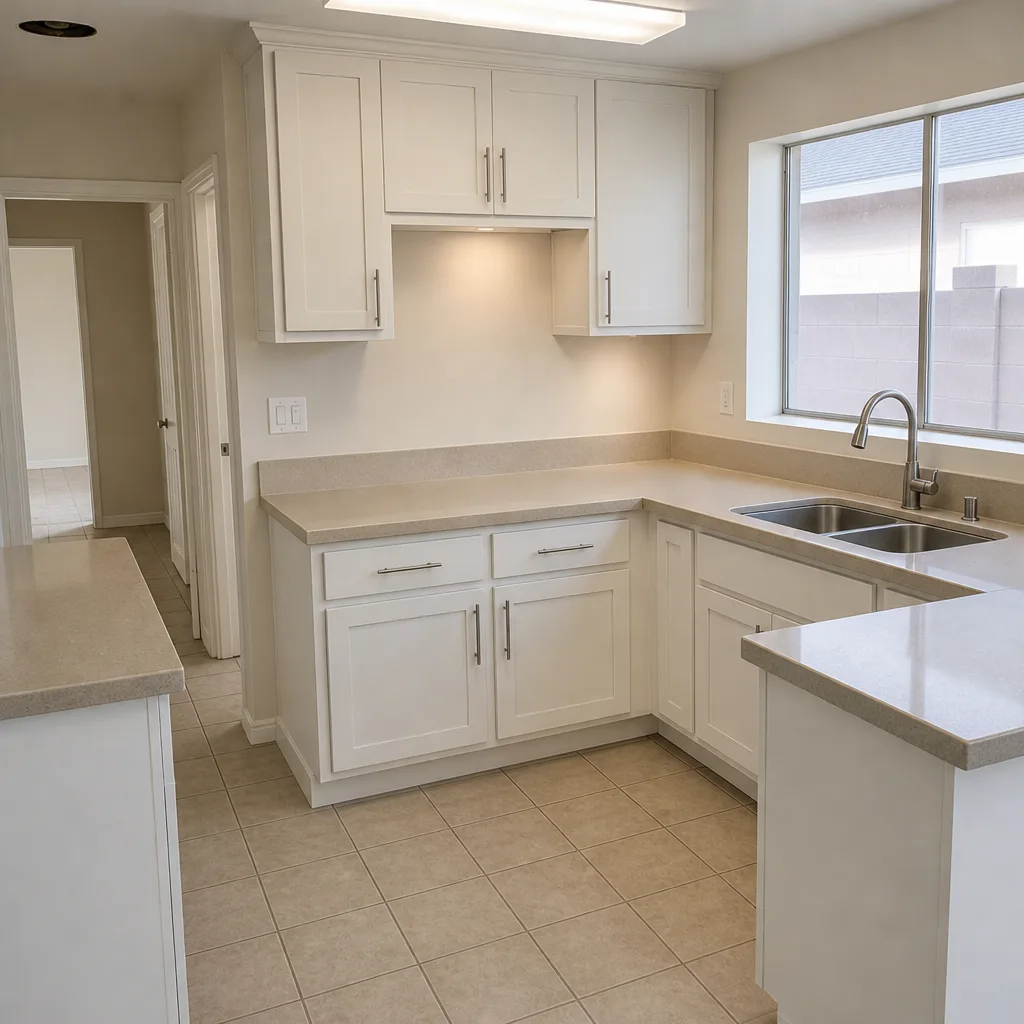 After
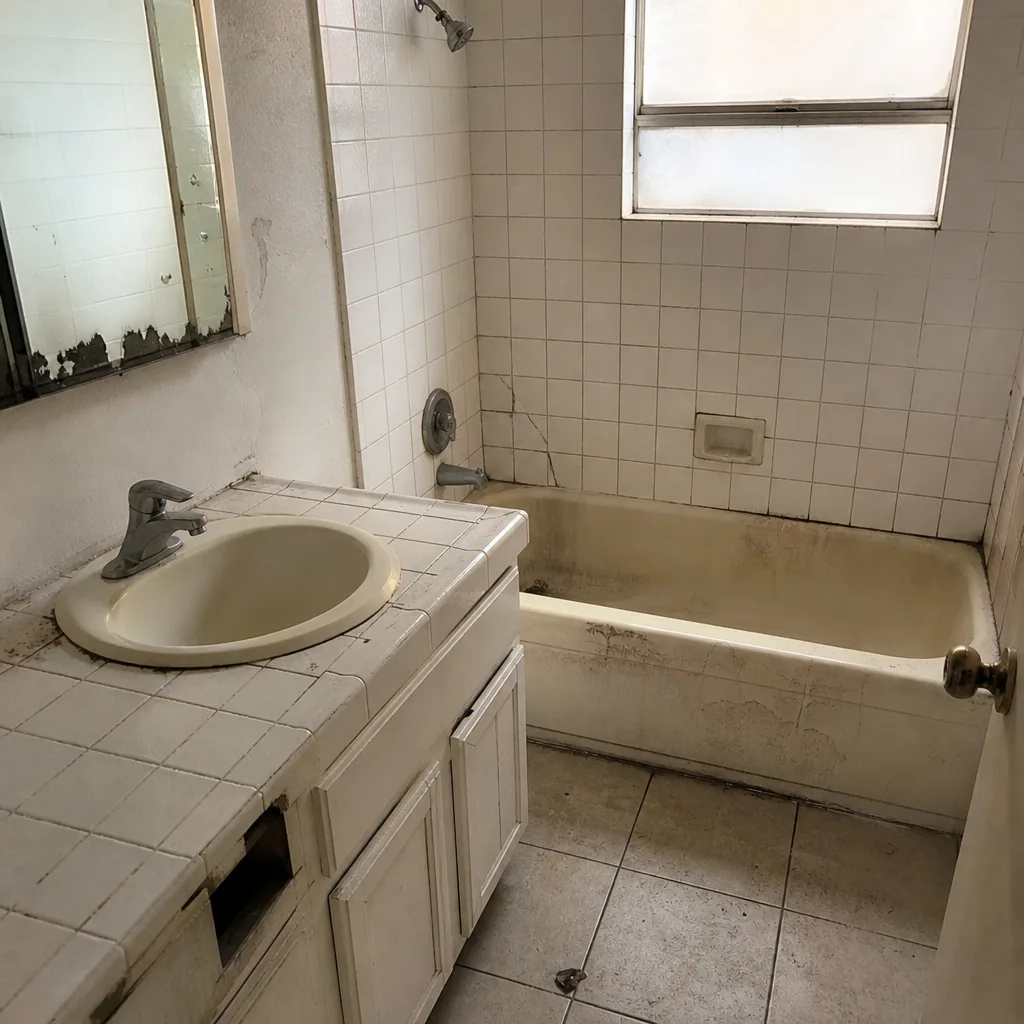 Before
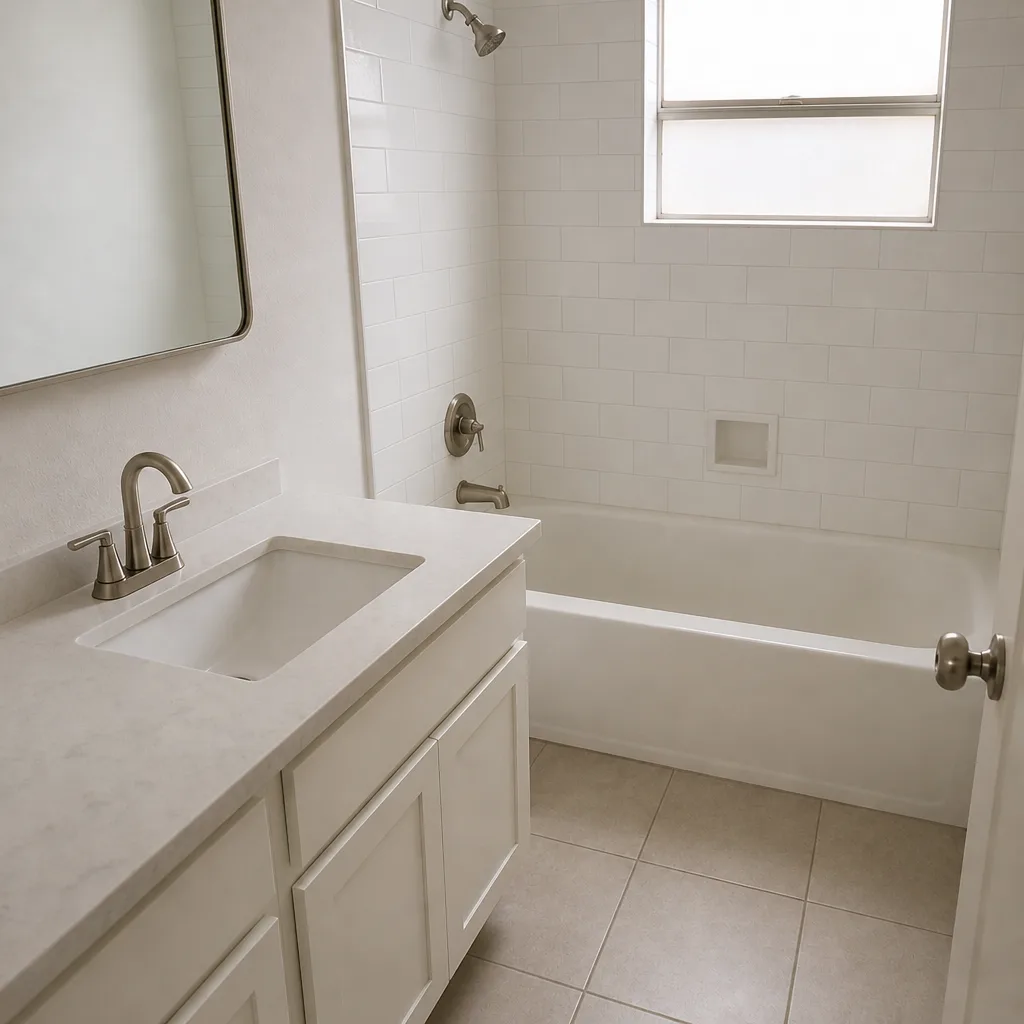 After
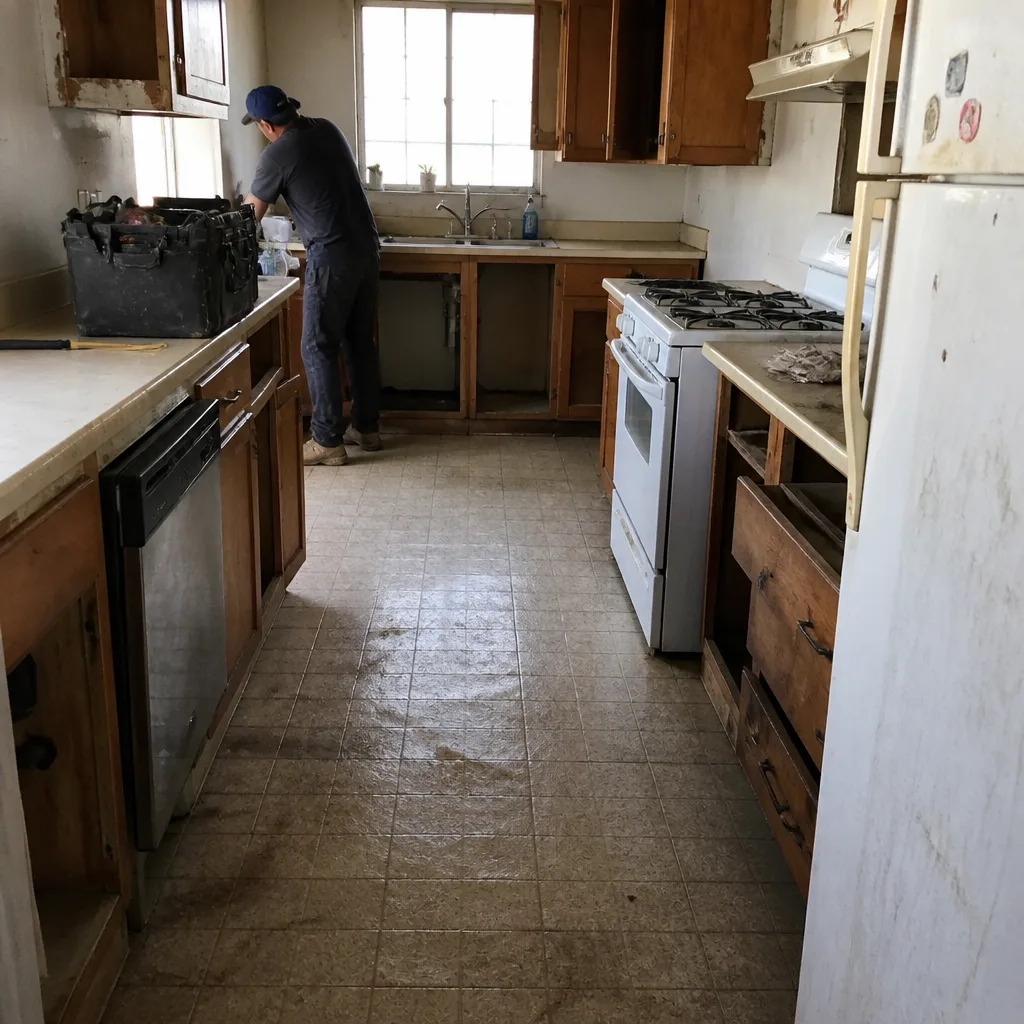 Before
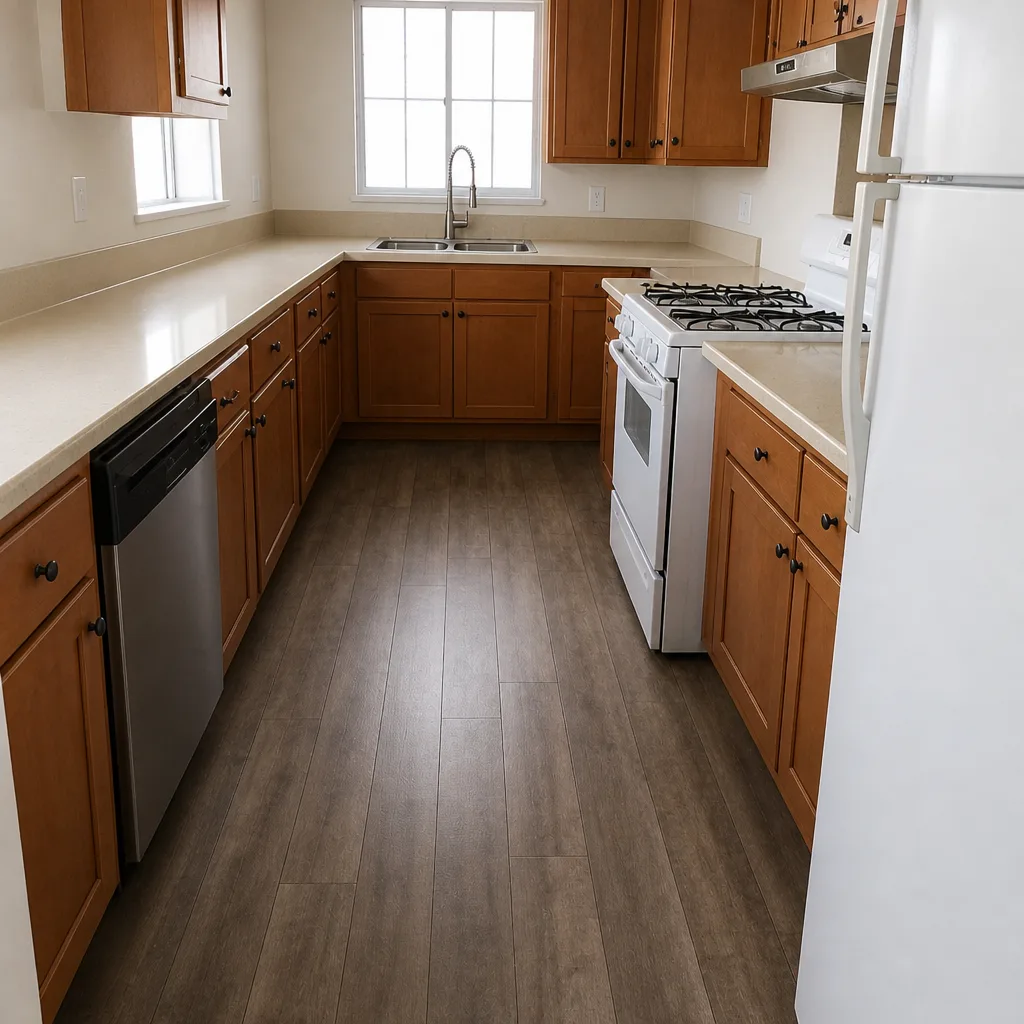 After
General Contractor vs Handyman in North Las Vegas, NV: Where the Legal Line Actually Falls
Choose a licensed general contractor unless the job is cosmetic, needs no permit, touches no electrical/plumbing/structural system, and stays under Nevada’s $1,000 handyman cap for labor plus materials. In North Las Vegas that cap is crossed fast: adding a single subpanel, a new hose bib, or opening a load-bearing wall turns a “small” favor into unlicensed work. A handyman operating outside their license class can’t pull the multi-trade permits this city requires. Call (844) 708-4417 and we’ll tell you plainly which side of the line your project sits on.
Here’s the part most comparison articles skip. The general contractor vs handyman question in North Las Vegas isn’t really about project size. It’s about liability on a jobsite where 110°F heat, caliche layers under the dig, and strict SWPPP dust-control inspections can freeze an entire property if the wrong person is holding the permit.
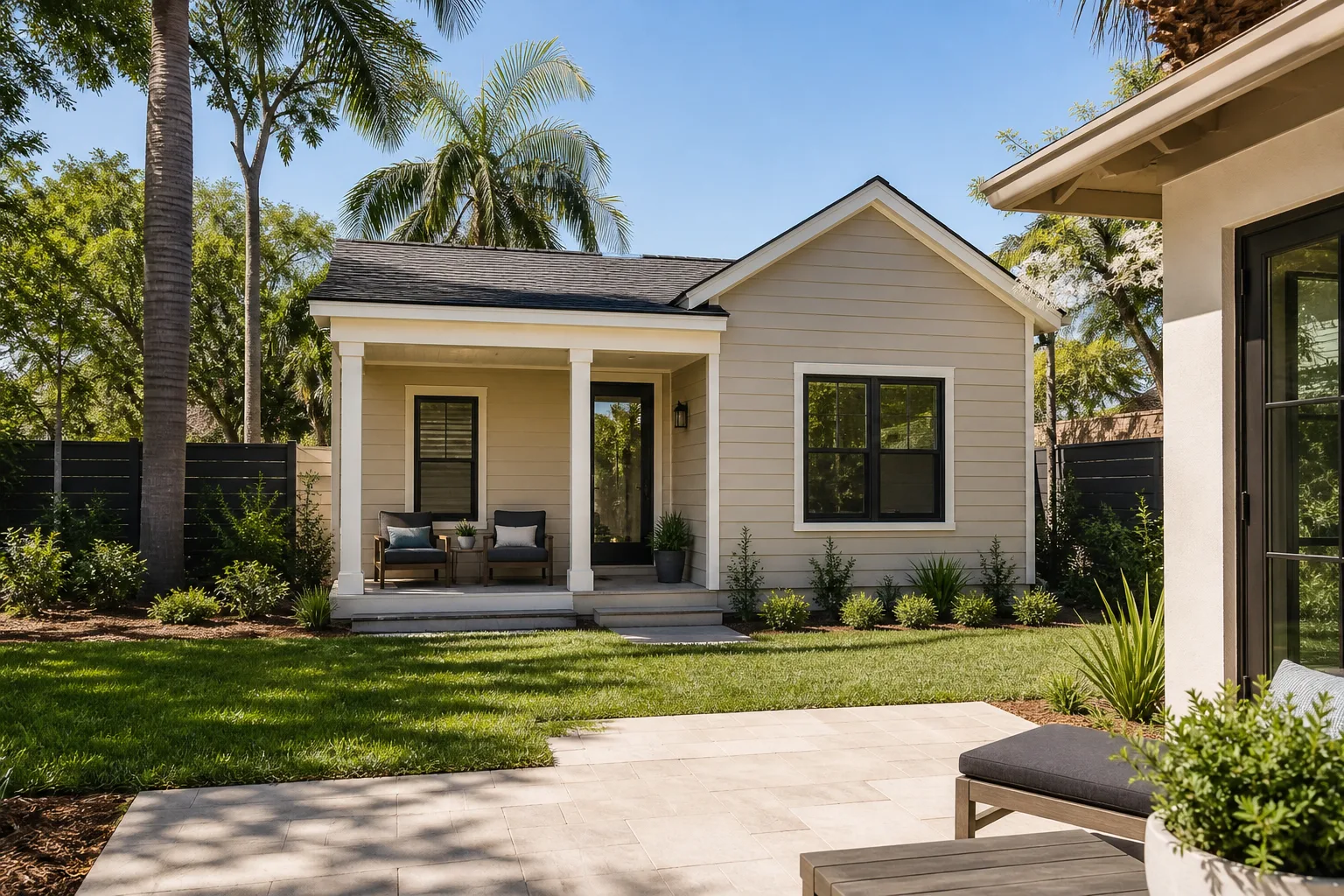
What Nevada’s $1,000 Cap Actually Means for North Las Vegas Homeowners
Nevada Revised Statutes cap unlicensed handyman work at $1,000 per project, materials included. That’s the whole ceiling, not a per-task number. Stack a faucet swap, a bathroom fan, and a little drywall patch and you may already be over it.
The cap gets triggered by three things in practice:
- Any work requiring a permit. In North Las Vegas, permits are handled through the city’s Building Division, and inspections are scheduled, not optional.
- Any structural change. Knock out a wall, widen a doorway, sister a beam. That’s engineering territory, not handyman territory.
- Any licensed-trade task. Electrical, plumbing, and HVAC work requires a licensed tradesperson. A handyman cannot legally perform it, and in most cases cannot pull the permit for it.
When a handyman works past that line, the homeowner becomes the owner-builder on paper. That means you’re responsible for the inspection sequence, the corrections, and the disclosure when you sell. In a city adding tens of thousands of homes a decade, buyers and their agents do look at permit history. An unpermitted addition on virgin Mojave terrain can quietly become a resale problem years later.
How a GC Coordinates Permits on Multi-Trade Work (and Why a Handyman Can’t)
A licensed general contractor can pull a master permit covering the sub-trades under one inspection sequence. One framing inspection, one rough-in inspection, one final. The plumber, electrician, and roofer all report to the same schedule. The homeowner isn’t chasing three separate sub-permits and hoping each one closes out before the next begins.
A handyman cannot pull permits at all for licensed-trade work. So the moment a North Las Vegas project spans plumbing, structural, and grading, the coordination problem lands on the homeowner. In our experience, that’s where projects stall: the electrical final gets held because the framing was never signed off, and the whole inspection sequence resets.
Rowan Construction Group North Las Vegas runs this coordination across seven trades – kitchen remodeling, bathrooms, roofing, windows and doors, fencing, driveways and pavers, and home additions including ADUs. One written scope, one permit sequence, one accountable party. That’s the structural difference the general contractor vs handyman comparison is really measuring.
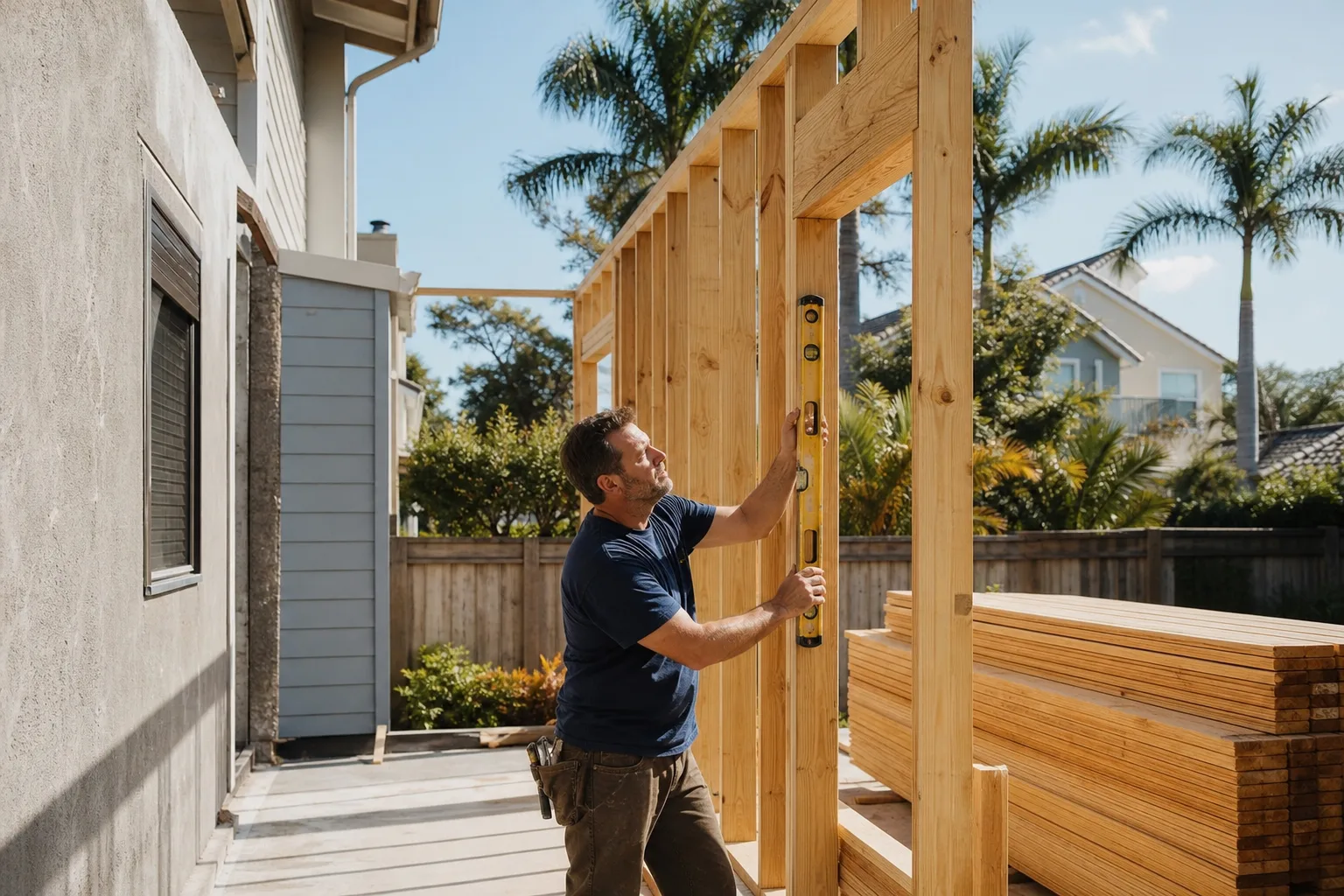
The Heat Schedule and the Caliche Problem
North Las Vegas summers routinely exceed 110°F. Concrete doesn’t cure on an afternoon pour at that temperature, it cracks. A licensed GC structures early-morning pours, often starting at 5 a.m. with bonded crews on-site before the heat builds. A handyman working without that infrastructure risks a failed pour on a 108°F afternoon that has to be demoed and re-poured. That’s not a small overrun.
Then there’s the ground. Excavation in newer master-planned subdivisions and in the older mid-century pockets near the original downtown core can hit caliche, the cemented calcium layer that looks like concrete and chews through ordinary digging equipment. It requires specialized tooling and it changes the schedule. Under a GC, a caliche hit gets documented and priced in a signed change order before work continues. Under a handyman arrangement, the surprise usually shows up on the invoice after the fact.
Local grading and dust-control rules add another layer. North Las Vegas inspectors watch closely for proper SWPPP measures – the stormwater pollution prevention plan that governs runoff and dust on any graded site. A stop-work order for missing SWPPP measures freezes the entire property, not just the one phase in progress. That’s the kind of thing a handyman relationship structurally cannot absorb.
General Contractor vs Handyman: A Side-by-Side
| Factor | Licensed GC | Handyman |
|---|---|---|
| Legal work ceiling | No trade limit within license class | $1,000 per project, materials included |
| Permits | Pulls master permit across sub-trades | Cannot pull licensed-trade permits |
| Electrical / plumbing / HVAC | Coordinated under one inspection sequence | Out of scope; homeowner becomes owner-builder |
| Structural changes | Engineered and permitted | Out of scope |
| Heat scheduling | Early-morning pour schedules, bonded crews | Relies on the individual’s own logistics |
| Caliche / site surprises | Documented in a signed change order before proceeding | Typically invoiced as a surprise afterward |
| Accountability | Background-checked, uniformed crews; 24/7 live answer; documented photo record on every visit | Varies by individual |
Where a Handyman Is the Right Call
We’ll say it: some jobs genuinely don’t need a GC. A sticking door, a cracked tile swap, a fence board replacement, a shelf install. Cosmetic fixes that need no permit and stay well under the cap are a handyman’s work, and calling a contractor for them wastes everyone’s time.
The line moves the moment the scope grows. If your North Las Vegas project is really an addition, a bathroom remodel running into $9,000-$28,000, or a roof replacement in the $8,000-$20,000 range, a handyman can’t carry it legally or practically. Roofing brands like IKO and Atlas are specified at the manufacturer level, with warranty terms tied to licensed installation. A driveway running $4,500-$12,000 in concrete or $7,000-$18,000 in pavers needs a graded, inspected base built to hold up under monsoon runoff. This is where the [home](/)-level comparison flips toward the contractor.
What Accountability Looks Like Under a GC
Our technicians have up to 19 years of experience, are background-checked and uniformed, and a live person answers calls 24/7. Every visit includes a documented photo record as a standard deliverable, not an upgrade. That means you get evidence of what was found – the substrate condition, the shingle layer count, the tile membrane – described in plain terms, not a version of the story you have to take on trust.
The pricing discipline matters too. Every project starts with a flat written price and written scope. No work proceeds on a change until the change order is signed. That’s the reason our projects land within a few percent of the agreed number, and it’s exactly the accountability a handyman relationship can’t offer. If a competitor’s written estimate sits on your counter, we’ll review it line by line at no charge before you decide.
For a deeper look at which projects fall on which side of the line, our guides on kitchen and bath remodeling, roofing, driveways and pavers, and home additions spell out scope and pricing for North Las Vegas.
FAQs
No. Electrical, plumbing, and HVAC work requires a licensed tradesperson, and a handyman cannot legally perform it or pull the permit for it. Doing so crosses Nevada’s $1,000 cap and puts the homeowner on the hook as owner-builder. Call (844) 708-4417 if you’re unsure what your job actually requires.
Nevada Revised Statutes cap unlicensed handyman work at $1,000 per project, including materials. Cross it with a subpanel, a new hose bib, or a load-bearing wall opening and the work becomes unlicensed contracting. Estimates from a licensed GC are free, so it costs nothing to check.
A general contractor typically costs more per hour but includes permits, licensed sub-trades, and written pricing; handyman rates are lower but legally limited. For a home addition, expect $45,000-$130,000, and a bathroom remodel $9,000-$28,000. Call (844) 708-4417 for a flat written price before any work starts.
Repairs usually win for isolated damage, but replacement is cheaper long-term once shingles are past their service life and heat has dried out the underlayment. Roof repairs run $400-$1,800; a full replacement runs $8,000-$20,000. Call (844) 708-4417 for a documented photo assessment.
If you’d rather have it looked at, Rowan Construction Group North Las Vegas offers a no-pressure assessment in North Las Vegas. You’ll get a written price, a written scope, and a straight answer on whether you actually need a GC or a handyman. Call (844) 708-4417 for a free estimate.
Written by the team at Rowan Construction Group North Las Vegas, serving North Las Vegas, NV.