
Last updated November 18, 2026



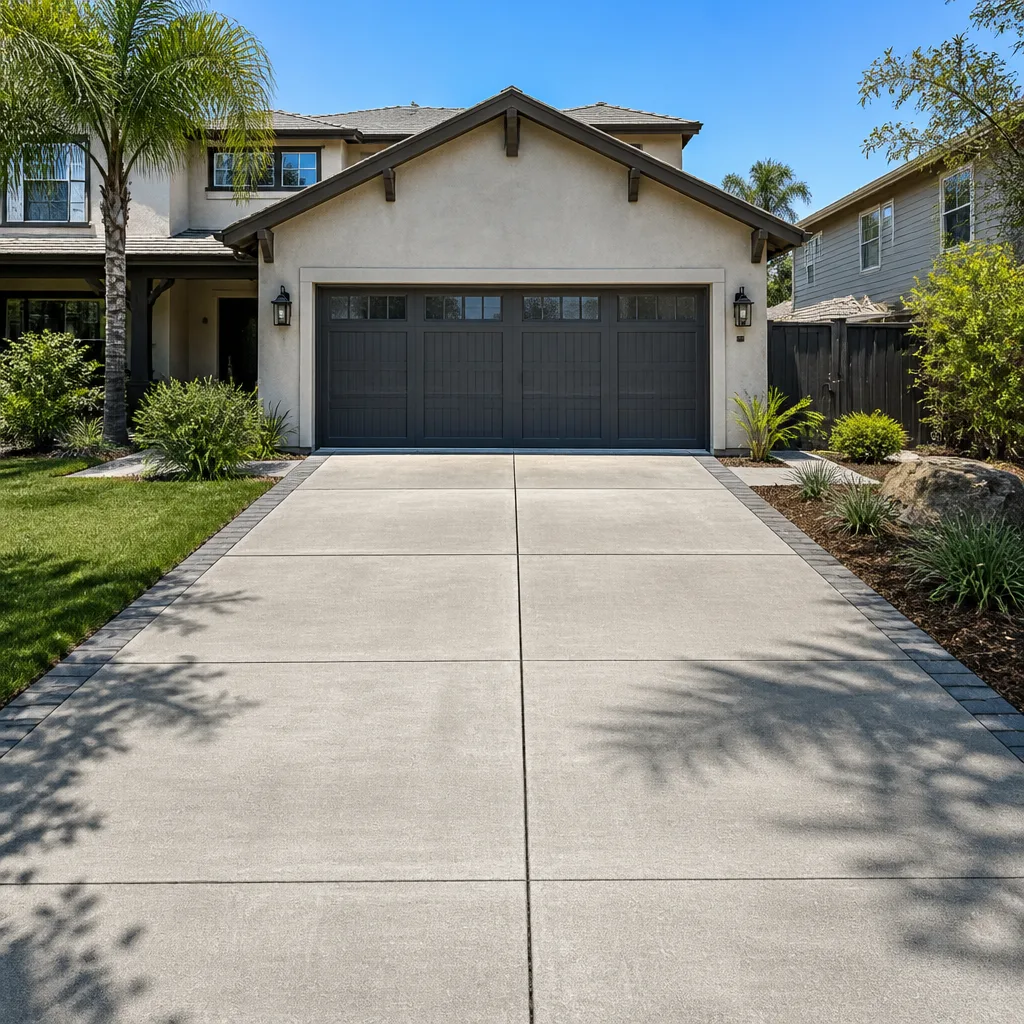




Free written scope consultation - allowances, timeline, and change-order rules on paper before a single trade is scheduled
How to Hire a Construction Contractor in North Las Vegas: A Step-by-Step Guide
Nevada ranks among the top ten states for contractor fraud complaints per capita, and the most expensive version of that problem in North Las Vegas looks boring on paper: a contractor with a genuinely valid license who let workers’ comp lapse somewhere between jobs. The homeowner inherits that exposure the day the crew shows up. This guide is a document-verification exercise, not a personality test. You’ll learn how to run the Nevada State Contractors Board lookup step by step, pull a fresh certificate of insurance, read a change order against NRS Chapter 624, compare competing bids line by line, and close out a project with the right lien waivers.
Quick Answer
To hire a construction contractor in North Las Vegas, verify four things before you discuss money: an active license with a classification that matches your scope of work, a certificate of insurance dated within the last 30 days showing workers’ comp with a Nevada-admitted carrier, a written scope and flat price before any work starts, and a change-order process where nothing proceeds until the order is signed. Only then compare bids. A contractor who can’t clear those four checks won’t improve by having a cheaper number.
Styles & brands we work with
- Kitchen remodeling
- Bathroom remodeling
- Home additions & ADU
- Roofing
- Windows & doors
- Driveway & pavers
- Fence
Table of Contents
- Step 1: Run the NSCB License Lookup
- Step 2: Read the Classification Codes (B-2 vs. C Trades)
- Step 3: Verify Insurance and Workers’ Comp
- Step 4: Understand Change Orders Under NRS Chapter 624
- Step 5: Normalize the Bids to the Same Line Items
- Step 6: Handle Lien Waivers and the Notice of Completion
- Common Mistakes to Avoid
- Frequently Asked Questions
Step 1: Run the NSCB License Lookup Before Anything Else
Nevada licenses contractors at the state level through the Nevada State Contractors Board, and every license number you’re given should resolve in the board’s online lookup at nscb.nv.gov. Start with the number, not the company name. Names get reused, brand names get licensed to one entity and operated by another, and a name search can return a licensed parent whose operating subsidiary isn’t the entity on your proposal.
Here’s the order that works:
- Open the NSCB license search and enter the license number printed on the contractor’s written bid.
- Confirm the legal business name matches the name on the contract, not just the name on the sign.
- Check the status. “Active” means the license is current and in good standing. “Inactive,” “suspended,” or “expired” means the contractor can’t legally contract work in North Las Vegas until it’s resolved.
- Read the classification (covered next) and confirm it covers your project.
- Look at the disciplinary actions panel. A single discipline isn’t an automatic disqualifier, but a pattern of unlicensed-operation or failure-to-complete findings is a decision-maker.
- Screenshot the page. It’s a dated record and you may want it later.
Two things to know about the NLV market specifically. First, North Las Vegas has a heavy density of newer builds (2018 and later) in the far north and west where the original builder’s install warranties have expired but the first significant renovation hasn’t happened yet. Contractors who specialize in that era of construction are common here. Second, the summer heat and June-through-September monsoon moisture cycle shows up in bid scopes: roof underlayment specs, paver base depth, and fence post concrete all get tested harder here than the same product gets in a milder climate. That matters later when you compare bids, because the cheap bid often skips the spec that survives the climate.
Step 2: Read the Classification Codes (B-2 vs. C Trades)
Nevada licenses contractors by classification, and the class must match the scope of work. Hiring a B-2 general building contractor to hang a fence is legal on their end but tells you something about their focus; hiring a C-specialty contractor to build an addition is a scope problem. A B-2 designation, in plain terms, permits the contractor to construct or remodel any building or structure, or a group of structures that requires the use of more than two unrelated trades. A C designation is a limited specialty – C-3 for carpentry, C-10 for landscaping, C-14 for steel and fencing, and so on across the numbered C trades.
The mismatch to watch for in North Las Vegas is the expansion play: a licensed C-level contractor bidding a scope that touches three trades because they have a friendly sub lined up. That’s not automatically disqualifying on a small job, but the insurance, the warranty, and the change-order accountability now sit with one entity while three entities do the work. On a kitchen remodel, a home addition, or anything that pulls a Clark County building permit, ask for a B-2 or an equivalent classification and check that the sub-trades are licensed under their own numbers. The same logic applies on the exterior side. Driveway & Pavers in North Las Vegas involves base preparation, grading, and drainage; Fence Installation in North Las Vegas touches fencing classification and post-set depth. Each has scope-specific licensing worth verifying before the number matters.
- B-2 general building: multi-trade construction and remodeling. Appropriate for additions, ADUs, and kitchens that touch plumbing, electrical, and drywall.
- C-3 carpentry: framing, cabinets, trim. Doesn’t cover plumbing or electrical.
- C-14 steel and fencing: fence and metal work, often the right class for a fence job.
- A general engineering: heavy civil work; rarely the right class for a residential project in North Las Vegas.
Step 3: Verify Insurance and Workers’ Comp With a Fresh Certificate
A certificate of insurance is a snapshot; it may already be stale. Ask for a certificate dated within the last 30 days. Anything older gets a second email: “Can you send a fresh certificate today?” A valid but 90-day-old certificate tells you the underwriter issued one once. It doesn’t tell you the policy is still in force.
What the certificate needs to show:
- General liability with limits stated in dollars, naming the policy’s effective and expiration dates.
- Workers’ compensation with a Nevada-admitted carrier. That phrase matters. Nevada requires workers’ comp coverage from a carrier authorized to write policies in Nevada; an out-of-state certificate from a carrier not admitted here can leave you holding the bill for an injured worker on your property.
- Your name on the certificate as an additional insured. This is common on larger jobs and worth asking for on any project over a few thousand dollars.
- A named agent you can call to confirm the policy is current. Any legitimate broker’s phone number is on the certificate; a 60-second call closes the loop.
The lapsed-workers’-comp pattern is the one we see most often in North Las Vegas. A contractor carries a valid license, works through a busy season, lets the workers’ comp policy lapse between jobs because premiums scale with payroll, and picks it back up when the next job starts. During the gap, the license still reads “active” in the NSCB database. The exposure belongs to the homeowner the moment work begins. The fix is the fresh certificate dated within 30 days and a phone call to the named agent, not a photo of an old certificate and a hopeful expression.
Step 4: Understand Change Orders Under NRS Chapter 624
Nevada Revised Statutes Chapter 624 governs contractor licensing and conduct, and it defines the change order as a written document separate from the original contract. A change order must be in writing, signed by the property owner and the contractor, and describe the work being changed, the dollar effect, and the time effect if the schedule moves. It cannot be verbal. The text confirmation, the call where someone says “we found a little rot, we’ll handle it,” the handshake – none of these are a change order under the statute.
What a compliant change order contains:
- The date and a reference to the original contract by number or description.
- The specific change in scope, described in trade terms (e.g., “replace 3 sheets of sheathing at the south wall due to water damage”).
- The dollar amount added or deducted, stated as a number.
- The time impact, if any (e.g., “+2 working days”).
- Signature lines for the property owner and the contractor, with a signature date on each.
- An explicit statement of whether the change authorizes work to begin immediately or after the signed order is returned.
Most contractor change-order templates omit item six. Read carefully. If the template authorizes work to begin immediately upon discovery, you’ve given standing permission to the contractor to spend your money without your signature – which is exactly the discipline the statute is written to prevent. Our own process is built the opposite way: no work proceeds on a change until the change order is signed. That discipline is why projects land within a few percent of the number the customer agreed to, and it’s why the written change order is Clause 1 of the Haven Standard, the document behind our Rowan Construction Group North Las Vegas home page. Ask every contractor you interview what their change-order template says on this point. The answer separates the operations that treat the statute as a floor from the ones that treat it as a formality.
Step 5: Normalize the Bids to the Same Line Items
Three bids that look different are usually three different projects. The lower number isn’t lower if the cabinets are a different line, the countertop is a different material, or the labor hours aren’t included. The way to compare bids is to normalize them to the same line items, so price differences reflect real scope differences and not hidden substitutions.
Build a comparison grid before you read the second bid. Each line gets four columns: material brand, grade, quantity, and price. Fill it in from Bid #1, then fill in Bid #2 and #3 against the same rows. Where a bid doesn’t name a brand, write “not specified” – that’s a substitution waiting to happen. Where the quantity is vague (“approx.”), ask for the actual number in writing.
- Cabinets: KraftMaid and Wellborn are common brand benchmarks. Semi-custom vs. stock is a grade difference and a real price gap.
- Countertops: Cambria and Caesarstone are quartz; quartzite and granite are different materials with different maintenance. Grade matters.
- Roofing: GAF and Owens Corning shingle lines, with the underlayment spec and layer count stated, not just “architectural shingle.”
- Fixtures: Kohler and Toto are common benchmarks for bath and kitchen plumbing; the model number is the honest unit of comparison.
- Pavers: Belgard, Unilock, and Tremron are the brands most bids here specify; base depth and joint sand spec belong in the same row as the brand.
You don’t have to accept the brands the contractor proposes. You have to know what’s in the bid. A bid that says “cabinet allowance: $8,000” is not a spec – it’s a placeholder for whatever’s cheapest on the day. Bring a competitor’s written estimate to us and we’ll review it line by line at no charge, under the Free Second Opinion standing offer. Bring all three and we’ll normalize them to the same grid.
Step 6: Handle Lien Waivers and the Notice of Completion
Nevada lien law gives contractors, subcontractors, and material suppliers a claim against your property if they aren’t paid. The mechanism you use to close that exposure is the lien waiver. There are two kinds, and the timing is what makes them effective.
- Conditional waiver: exchanged before each payment. It says the lien right is waived only if the check clears. If the check doesn’t clear, the lien right survives.
- Unconditional waiver: exchanged after each payment has cleared your bank. It says the lien right is waived, period. Never accept an unconditional waiver in exchange for a check that hasn’t cleared – the whole point of the mechanism is the sequence.
On final payment, request a final unconditional lien waiver from every party who worked on the job, not just the general contractor. Subcontractors and material suppliers have their own rights, and a general-only waiver leaves the lower tiers open. Then record a Notice of Completion with the Clark County Recorder. Recording the Notice starts the clock on the period during which anyone with a lien claim must file; once that window closes without a filing, the property is clear. Get a copy of the recorded Notice – it’s a public record and part of your project file. We deliver the photo record from every visit alongside the closeout paperwork, so the customer has the evidence of what was found, what was done, and what was signed.
Common Mistakes to Avoid
- Skipping the NSCB lookup because the contractor “seems established.” A sign on a truck and a branded proposal don’t prove licensing. Run the number. It takes four minutes.
- Accepting a 60-day-old certificate of insurance. Ask for a fresh pull dated within 30 days and call the named agent. The lapse pattern is real in North Las Vegas, and the certificate is the only place to catch it.
- Signing a change order template that authorizes immediate work. Read item six on every template. If it lets the contractor start before your signature, you’ve lost the accountability the statute was written to give you.
- Comparing bid totals without a line-item grid. A cheaper number against a vague scope isn’t a cheaper project. It’s a different one, usually with substitutions still hidden.
- Exchanging an unconditional lien waiver before the check clears. The mechanism only works in sequence. Get the conditional waiver first, then pay, then get the unconditional.
- Forgetting to record the Notice of Completion. The lien clock never starts until you record. Clark County Recorder filings are quick and inexpensive; the exposure without them is open-ended.
- Believing a verbal promise on schedule or warranty. A timeline in a text message isn’t a written scope. Ask for it in the contract. On additions and ADUs, the schedule is the largest variable in the budget.
See the difference
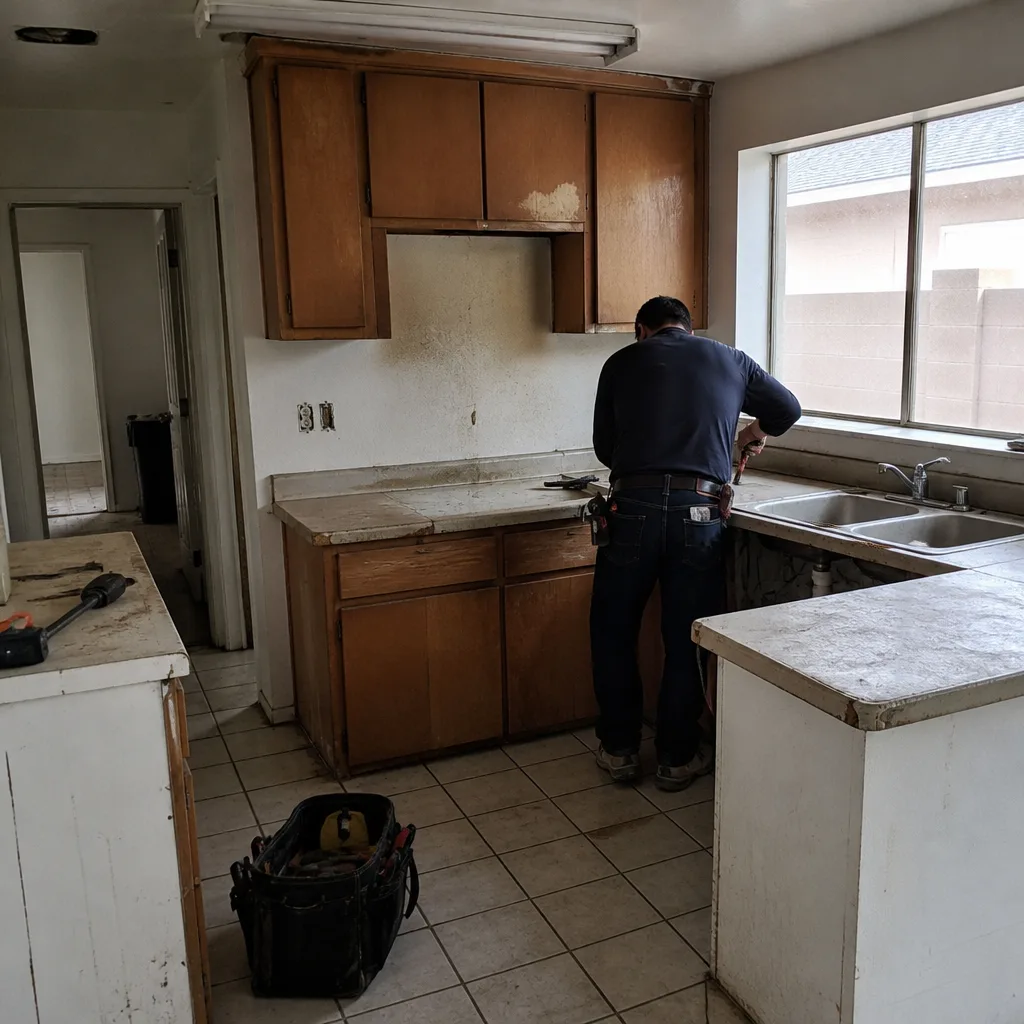 Before
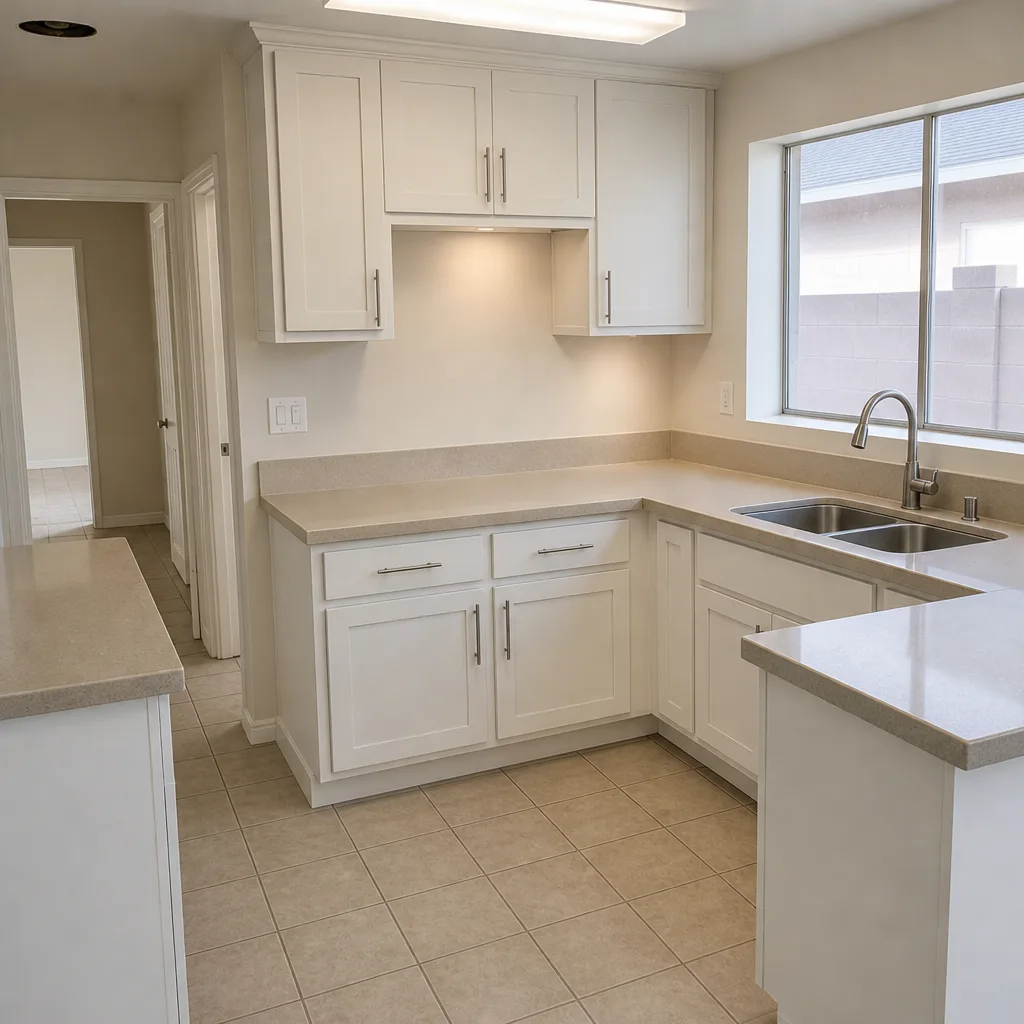 After
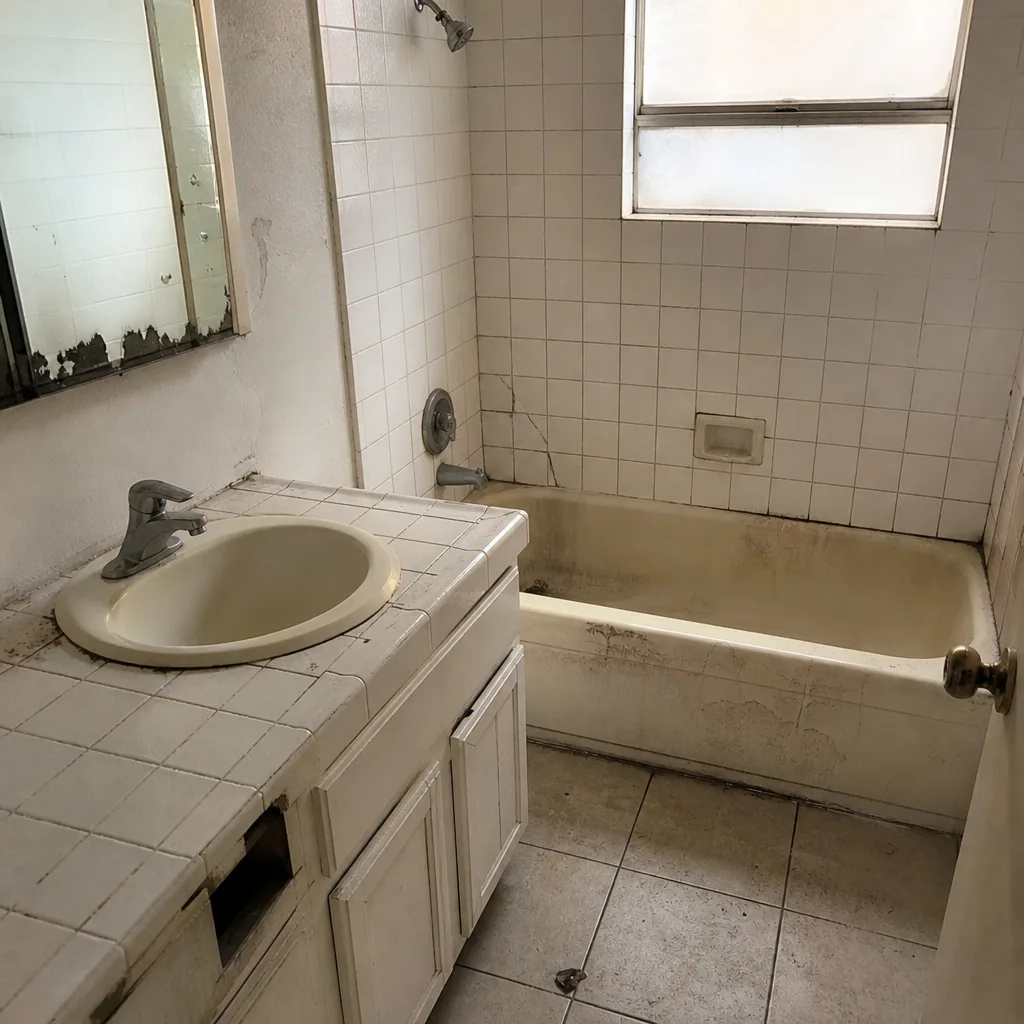 Before
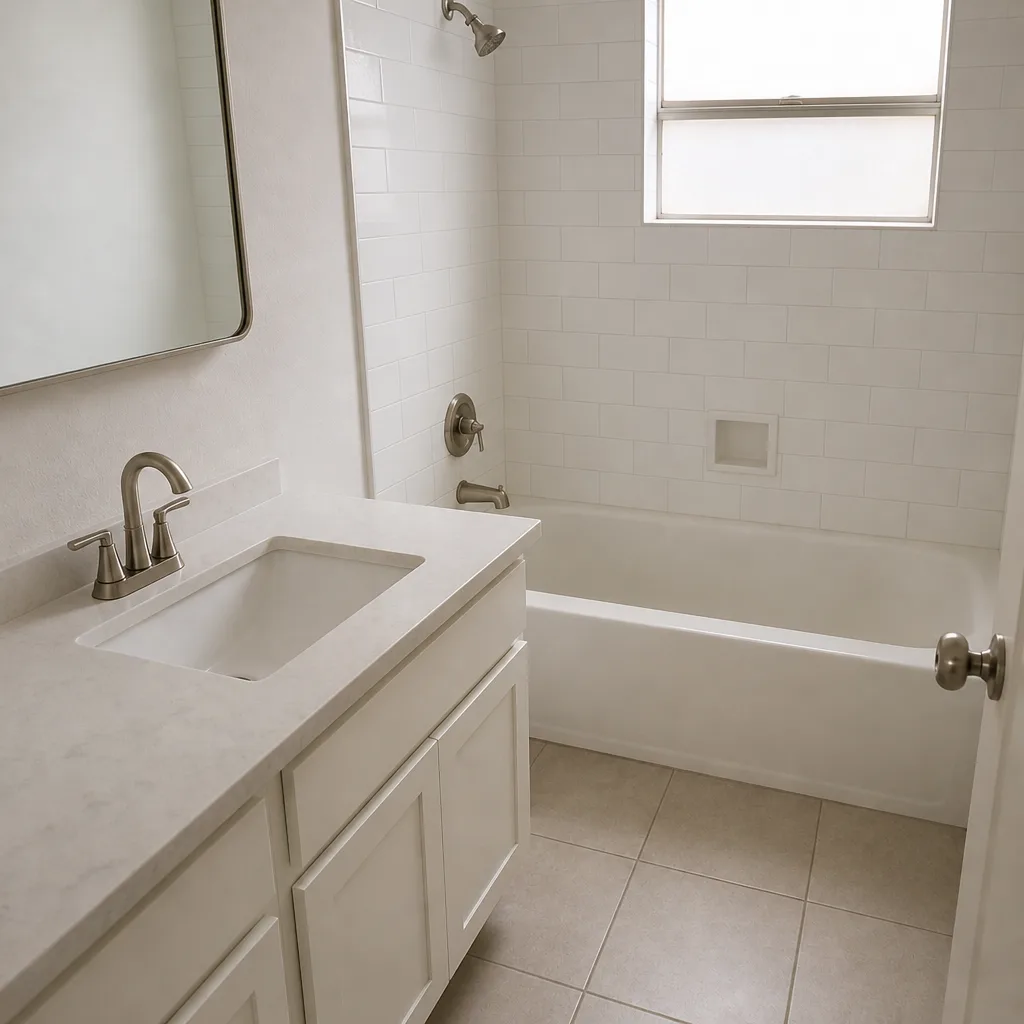 After
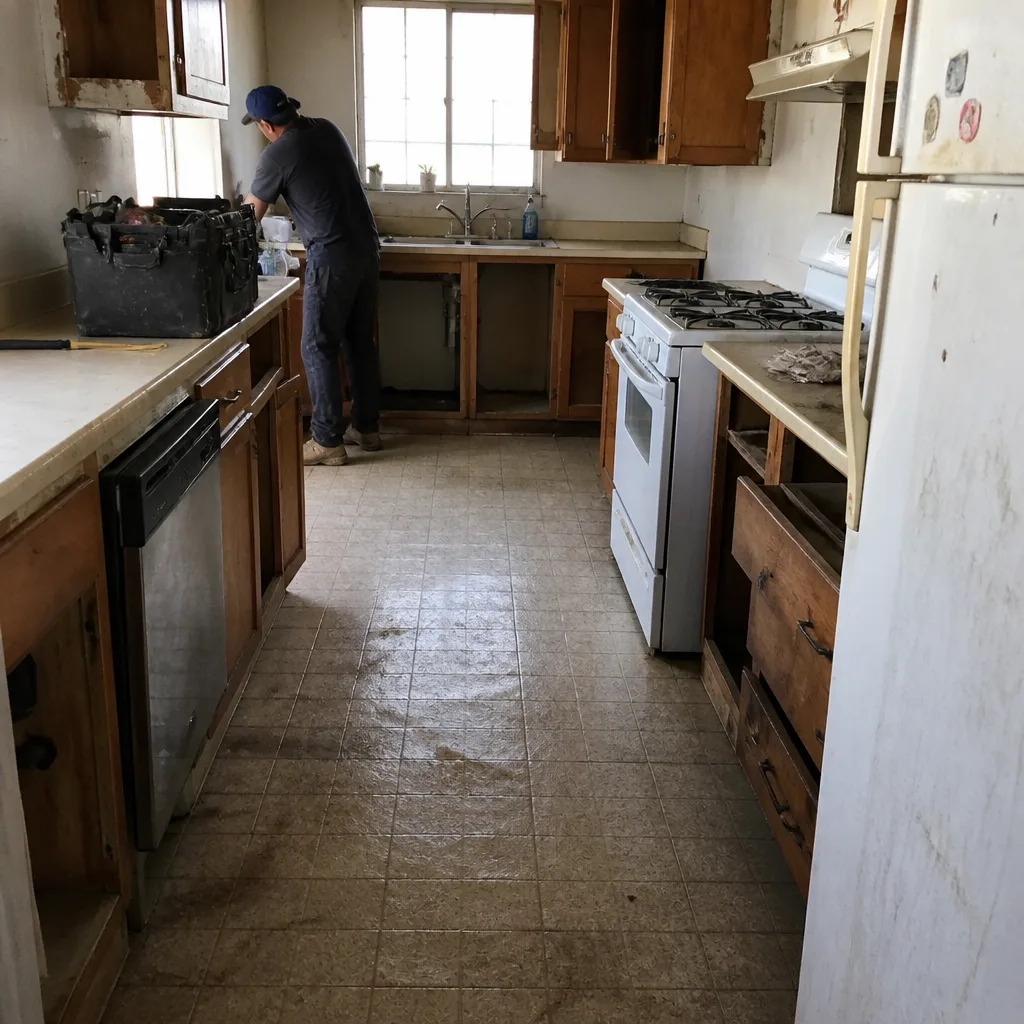 Before
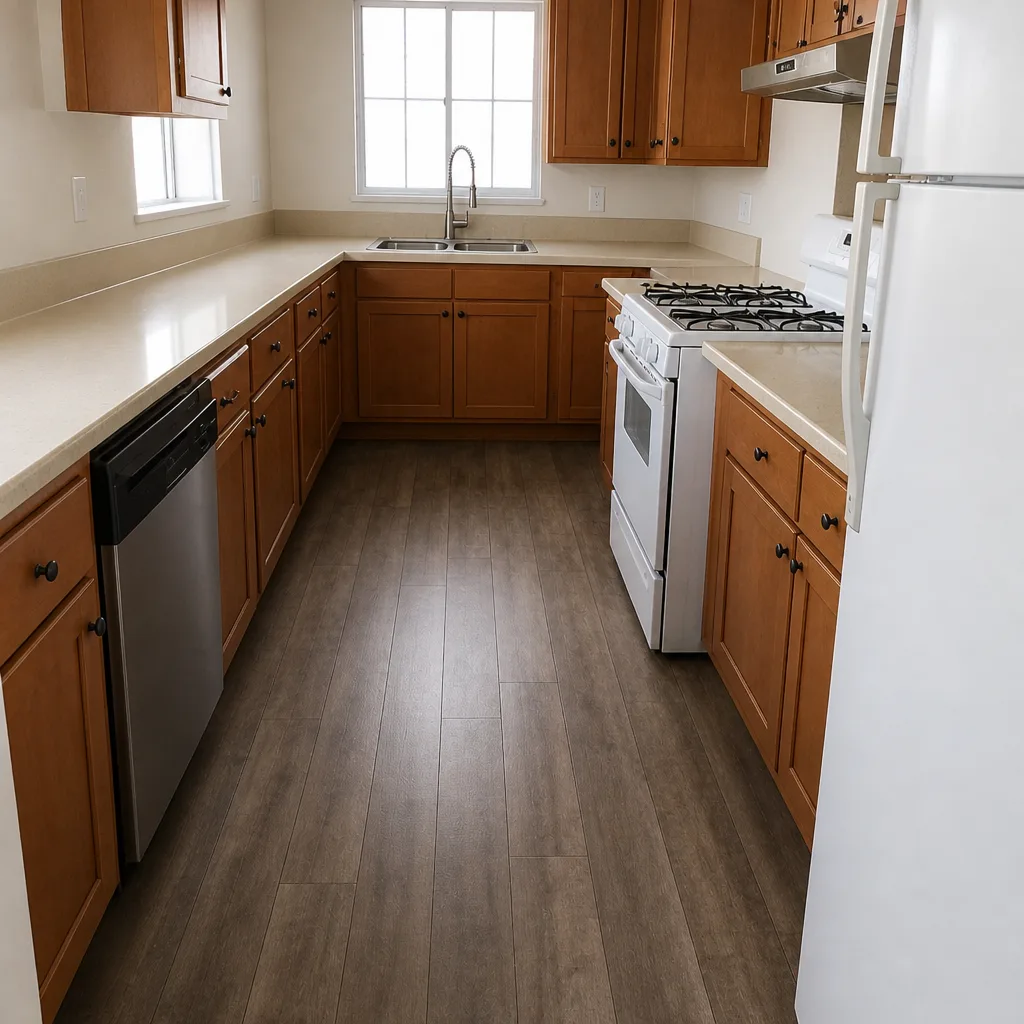 After
When to Call a Professional
The verification you’ve just read applies to any contractor, any trade, any size. The decision to hire one is simpler. Call a professional when the work touches a permitted scope (additions, ADUs, electrical, gas, structural), when the value of the job exceeds what your homeowner’s insurance policy will cover without a claim, or when the components are genuinely dangerous to handle yourself. Roof work involves fall exposure. Garage door spring and cable work involves high-tension parts that injure people every year. Panel and wiring changes involve live current. Those are trained-professional scopes without exception. Our technicians have up to 19 years of experience, and we’ve learned that the honest answer on those calls is always “yes, hire.” Home Additions & ADU in North Las Vegas is a good example: the permit sequence, the structural engineering, and the inspection schedule are each their own specialty. Rowan Construction Group North Las Vegas offers free estimates in North Las Vegas – call (844) 708-4417 to schedule.
Frequently Asked Questions
Use the Nevada State Contractors Board online lookup at nscb.nv.gov and search by the license number printed on the contractor’s written bid, not the company name. Confirm the legal business name matches your contract, the status reads “Active,” the classification covers your scope of work, and check the disciplinary actions panel for a pattern. Screenshot the page for your records. If the number doesn’t resolve, stop the conversation there. Call (844) 708-4417 for a free second opinion on any written estimate from a contractor you’re still considering.
A B-2 general building classification permits the contractor to construct or remodel a building or group of structures that requires more than two unrelated trades. A C designation is a limited specialty, such as C-3 carpentry, C-10 landscaping, or C-14 steel and fencing. For kitchen remodels, additions, ADUs, and any scope that pulls a Clark County building permit, ask for a B-2 or equivalent and verify that sub-trades are licensed under their own numbers. For a fence or a paver driveway, a C-level specialty is often the right fit. Call (844) 708-4417 to talk through which classification fits your project.
Under NRS Chapter 624, a change order must be in writing, signed by both the property owner and the contractor, and describe the change in scope, the dollar effect, and the time effect if the schedule moves. It must reference the original contract and carry signature dates. What most templates omit is the clause stating whether work proceeds immediately upon discovery or only after the signed order returns. Request a copy of the template before signing the contract and read that clause. Call (844) 708-4417 to see how we handle it – no change proceeds without the signature.
There’s no single number, but the range that matters is the price range the contractor puts in writing before you sign. The written bid should state a flat price with a written scope and written warranty, itemized by trade and by material brand. A bid that says “call for a quote” or quotes an allowance for a major material is unfinished. Ask for the number. If they won’t state it, that’s the whole answer. Call (844) 708-4417 for a flat written price on your project before any work starts.
A conditional lien waiver is exchanged before each payment and only takes effect if the check clears. An unconditional waiver is exchanged after the payment has cleared your bank and waives the lien right outright. Never accept an unconditional waiver in exchange for an uncashed check. On final payment, collect final unconditional waivers from every party on the job, including subs and suppliers, then record a Notice of Completion with the Clark County Recorder. Call (844) 708-4417 if you want the closeout paperwork walked through before final payment.
It means the insurance carrier is authorized to write workers’ compensation policies in the state of Nevada. An out-of-state certificate from a carrier not admitted here can leave you exposed to an injured worker’s claim on your property, even if the certificate looks official. Ask for a certificate dated within the last 30 days and call the named agent to confirm the policy is current. If the certificate is older than 30 days, request a fresh pull. Any contractor who hesitates on that request is telling you something. Call (844) 708-4417 if you’d like to see how we document insurance before a project begins.
The Bottom Line

Hiring a construction contractor in North Las Vegas is a document-verification exercise before it’s a conversation about craftsmanship. Run the NSCB license lookup by number, confirm the classification matches your scope, pull a fresh certificate of insurance dated within 30 days, and read the change-order template before signing the contract. Then normalize the bids to a line-item grid by material brand, grade, and quantity, so a price difference reflects a real scope difference. Close the job with a conditional-then-unconditional lien waiver sequence and a recorded Notice of Completion. The craftsmanship question matters – it just comes second, after the papers are clean. And when the paperwork is clean and the price is written, the project is a project, not a gamble.
Rowan Construction Group North Las Vegas quotes every job with a flat written price and a written scope before work begins, under the Haven Standard and the 365-Day Done Right Promise: if it’s not done right, we make it right. Crews are background-checked, every visit includes a documented photo record as a standard deliverable, and a live person answers the phone around the clock. Bring us a competitor’s written estimate and we’ll review it line by line at no charge.
Call (844) 708-4417 to schedule your free estimate in North Las Vegas.
Written by the team at Rowan Construction Group North Las Vegas.