Last updated November 18, 2026




Free written scope consultation - allowances, timeline, and change-order rules on paper before a single trade is scheduled
Fence Installation Maintenance Schedule: What to Do and When
Wood fence sealant applied in July in North Las Vegas cures incorrectly because the surface temperature exceeds the product’s application threshold. Most national maintenance guides never mention surface temperature at all, which is why so many fences here fail years earlier than they should. A fence in North Las Vegas does not break down the way a fence in a temperate climate does. UV degradation and thermal cycling do far more cumulative damage per year than moisture ever will, and a schedule borrowed from a cooler, wetter region will keep you busy with the wrong tasks. What follows is a calendar built for this climate: what to inspect, when to seal, how to read the warning signs, and what documentation will protect your warranty. Every threshold here is something we’ve checked by hand on fences across the valley.
Quick Answer
Inspect your fence twice a year – in April for winter wind damage and post movement, and in October for UV damage and hardware corrosion. Seal wood fencing only when surface temperature sits between 60°F and 85°F, which in North Las Vegas means the April-May and October-November windows, never midsummer. Assess vinyl for chalking, cracking, and yellowing each year, and budget for hardware replacement based on material: zinc-plated hinges every 3 to 5 years, hot-dipped galvanized every 8 to 10, 316 stainless every 15-plus. Keep dated photos of post bases, gate hardware, and any damage, because most manufacturer warranties will not honor a claim without a maintenance record.
Styles & brands we work with
- Kitchen remodeling
- Bathroom remodeling
- Home additions & ADU
- Roofing
- Windows & doors
- Driveway & pavers
- Fence
Table of Contents
- Why a North Las Vegas Fence Ages Differently
- The April Inspection: Winter Wind and Post Movement
- The Wood Sealing Windows: Surface Temperature Rules
- The October Inspection: UV Damage and Hardware Corrosion
- Annual Inspection Checklist with Pass/Fail Thresholds
- Assessing UV Damage on Vinyl Fence
- Hardware Replacement Intervals in Desert Conditions
- Maintenance Records That Protect Your Warranty
Why a North Las Vegas Fence Ages Differently
A fence in North Las Vegas spends most of its life baking. Summer surface temperatures on exposed wood routinely push past 140°F, then drop 50 degrees or more overnight. That daily expansion and contraction works fasteners loose, opens hairline checks in the grain, and slowly widens every joint. Moisture damage – the thing most national guides focus on – is a distant second here. A fence in North Las Vegas will not rot from rain. It will crack, warp, fade, and pull its hardware out of the wood first.
The wind matters too. Spring gusts funnelling off the mountains put sustained lateral load on posts, and the caliche-heavy soil in much of the valley does not always hold them as firmly as a contractor assumed. A post that has settled a quarter inch does not announce itself. It shows up as a gate that will not latch, or a panel that starts to lean after the next big wind.
There is a practical consequence to all this. The maintenance tasks that actually extend service life in North Las Vegas are sealing on the right day at the right temperature, tightening and replacing hardware before it fails, and catching post movement while a brace can still fix it. If you are planning a new fence rather than maintaining an old one, our Fence Installation in North Las Vegas page explains how material choice and post setting affect the schedule for years to come.
The April Inspection: Winter Wind and Post Movement
April is the first mandatory inspection of the year, and its job is to find what winter wind moved. Walk the full run. Push on every post at shoulder height and watch the base, not the top. A post that rocks in its footing needs attention before it takes a whole panel down in the next wind event.
- Check post plumb. Hold a level against each post. A lean up to 1/4 inch per 12 inches of height is within tolerance. Past that, the post needs bracing or resetting.
- Test every fastener by hand. Any picket or rail that moves under 20 lbs of lateral hand pressure has a loose or backed-out fastener. Re-drive it or replace it while the hole is still tight.
- Operate every gate. A latch should engage with no lifting or pushing. If you have to lift the gate to close it, the hinge or the post has moved.
- Look at the base of each post. Soil pulling away, a visible crack in the concrete collar, or a soft, punky texture at ground level all point to a footing problem.
- Photograph everything you find with a date stamp before you fix it.
April in North Las Vegas is also the front edge of the first sealing window, so a fence that passes inspection can go straight to treatment the same month. We’ve seen spring failures across the valley that a ten-minute post check in April would have caught. The pattern repeats: a small lean goes unaddressed, a spring gust finishes the job, and a single replacement becomes a five-post repair.
The Wood Sealing Windows: Surface Temperature Rules
Sealant is a chemical product with an application range, and in North Las Vegas that range rules out most of the year. Most penetrating sealers and stains want the surface between 60°F and 85°F when applied, and they need the wood dry. In July, a sun-facing cedar board can read far above 100°F by mid-morning. Apply sealant to it and the product skins over before it penetrates, cures unevenly, and can flake within a season – work that looks finished in August and fails by the following spring.
The two realistic windows in North Las Vegas are April through May and October through November. Both sit in the temperature band, both give you a dry surface, and both leave enough curing time before the harshest UV months. Use a surface thermometer, not the air forecast – the numbers diverge sharply on a sun-facing fence.
Before any application, prep the wood:
- Clean it first. A light wash with a wood cleaner removes dust and surface oxidation that stops sealant from bonding.
- Let it dry completely. Two to three days of dry weather after washing, and confirm by feel that the grain is dry.
- Choose the right product. A penetrating oil or water-based sealer lets wood breathe; a heavy film-forming finish traps heat and cracks. In this climate, breathing products win.
- Record the product name and application date. You will need it later for warranty claims and for timing the next coat, typically every one to two years on sun-facing runs.
On the fencing brands we specify, finish compatibility matters. Boral composite products follow their own manufacturer rules, and a treatment that voids a warranty is no savings at all.
The October Inspection: UV Damage and Hardware Corrosion
October’s inspection is about what the sun did all summer. This is where UV degradation shows up as cracking, chalking, fading, and hardware that has seized or corroded. It’s also the start of the second sealing window, so any wood you seal now gets protection ahead of the next summer.
Walk the same route as April, but look with different eyes. Run a hand along the top rail and pickets on the sun-facing side – roughness and a chalky film mean the finish has broken down and needs renewal. Check the gates for corrosion. In North Las Vegas, monsoon humidity and irrigation overspray combine with summer heat to pit cheap plating faster than you’d expect. Look at every hinge, latch, and screw head for rust bloom and white powdery corrosion.
Note any crack that has opened wider since April. A hairline check in spring becomes a split picket by fall. Catching that in October means you can replace one or two boards rather than a whole section. This is the inspection where the value is in the detail, not the big picture. The fence still looks fine from the street. It’s the fasteners, the hidden splits, and the sun-facing paint that tell the real story.
Annual Inspection Checklist with Pass/Fail Thresholds
A checklist is only useful if each item has a line between “fine” and “needs action.” Here are the thresholds we use on North Las Vegas fences, stated clearly so you can apply them yourself.
- Post plumb: maximum 1/4 inch lean per 12 inches of post height. Anything more, brace or reset. Overshooting this tolerance invites a panel failure in the next wind.
- Gate latch engagement: the latch should catch with zero lifting or pushing of the gate. If you lift the gate to make it latch, the hinge or post has moved and needs attention.
- Picket fastener security: zero movement under 20 lbs of lateral hand pressure. A picket that shifts with modest pressure has a loose nail or screw; re-drive or replace.
- Post base condition: no visible separation of soil from the post, no crack in the concrete collar, no soft texture at ground level. Any of those means the footing is compromised.
- Wood surface: no rough, chalky texture on sun-facing boards and no finish that has flaked or worn through. If your hand comes away dusty, the sealer has failed.
- Hardware condition: no rust bloom, pitting, or seized hinges. A hinge that no longer swings freely is one season from failure.
That gives you a clean annual record. Apply the same thresholds in April and October so you can compare year over year; a small lean that grew between inspections is more telling than a fence that has been a quarter inch off for three years.
Assessing UV Damage on Vinyl Fence
Vinyl is often sold as maintenance-free, which is a generous way of saying the maintenance is different. In North Las Vegas, vinyl takes a hard UV beating, and the three things to watch behave very differently from one another.
- Chalking is surface oxidation and it looks like a fine white powder you can wipe off. It’s cosmetic and correctable. A vinyl restorer cleans and renews the surface at roughly $0.08 per square foot, a genuinely cheap fix.
- Cracking at connection points – where rails, posts, and pickets meet – is more serious. Cracks here are structural, not cosmetic, and a panel that has cracked at its connections needs replacement before a wind event takes it further.
- Yellowing is irreversible. You can slow it but you cannot reverse it. And it is cosmetic only – a yellowed vinyl fence rarely compromises structural integrity. If the look is the complaint, the answer is refinishing or replacement, not repair.
Sorting those three apart prevents wasted spending. A fence with heavy chalking and no cracking needs a restorer, not a panel. A fence with cracked connections and no yellowing needs structural attention even if it looks clean. On the driveway and paver side of the same yard, the sun makes the same argument – UV, not water, is the adversary.
Hardware Replacement Intervals in Desert Conditions
Gate hardware is where most fence failures start, and the material you choose sets the clock. In desert heat with irrigation overspray, we see predictable intervals:
- Zinc-plated hinges: 3 to 5 years before rust bloom and stiff movement show up. Cost per gate hinge set: about $12. Cheap to replace, and they will need it.
- Hot-dipped galvanized: 8 to 10 years. Better coating, better life. Cost per gate hinge set: about $28. The sensible middle choice for most North Las Vegas gates.
- 316 stainless: 15-plus years. Cost per gate hinge set: about $65. The right call for gates that slam, gates near irrigation, and gates you don’t want to think about.
Spending $12 on zinc hinges and replacing them three times costs more in hassle than buying 316 stainless once. The math changes, though, when you’re replacing hinges on a gate you might sell with the house. Match the hinge to how long you expect to own the gate, and lubricate every hinge twice a year – a few drops in April and October extends any of these intervals. On heavier gates, CWS or CGI hardware options are worth asking about.
Maintenance Records That Protect Your Warranty
Most fence manufacturer warranties will not honor a claim unless the homeowner can show a maintenance record. That record is simple to keep and nearly impossible to reconstruct after the fact.
- Take dated photos at every inspection. Post bases, gate hardware, and any crack or corrosion you note. Date stamps are the difference between a record and a guess.
- Log every product applied. Sealant, restorer, cleaner – name, manufacturer, and application date.
- Record every repair. What was replaced, what material, what date. This matters when a warranty question turns on whether a failure was manufacturer defect or installation.
- Keep the original install paperwork. The signed quote, the material spec sheet, and the written warranty belong in one folder, physical or digital.
We’ve seen a valid warranty claim go unpaid because the homeowner could not show the fence had ever been maintained. The documentation is the work. Photograph the fence in April and October, note what you did, and file it. If you’re adding a structure that shares a fence line – a detached unit, for example – see our guidance on home additions and ADU in North Las Vegas for how shared boundaries are handled. And for the broader picture, our Rowan Construction Group North Las Vegas home page is the place to start.
Common Mistakes to Avoid
- Sealing in summer. Applying sealant when the surface exceeds 85°F – typical for July in North Las Vegas – causes uneven curing and premature flaking. Wait for April or October.
- Skipping the April inspection. Leaving winter wind movement unchecked turns a small lean into a failed post and panel by summer. Inspect before the heat.
- Ignoring a gate that won’t latch. Treating a reluctant latch as an annoyance rather than a post-movement signal guarantees a bigger repair later.
- Replacing cracked vinyl panels only when they look bad. Cracks at connection points are structural even when the surface looks clean. Catch them before a wind does.
- Buying the cheapest hinges every time. Zinc-plated hardware at $12 a set gets you 3 to 5 years. Replacing it three times costs more than one set of 316 stainless.
- Keeping no maintenance record. Most manufacturer warranties require documented care. No photos, no product log, no claim.
- Assuming vinyl needs nothing. Chalking and cracking are real, seasonal, and correctable only if you look for them.
See the difference
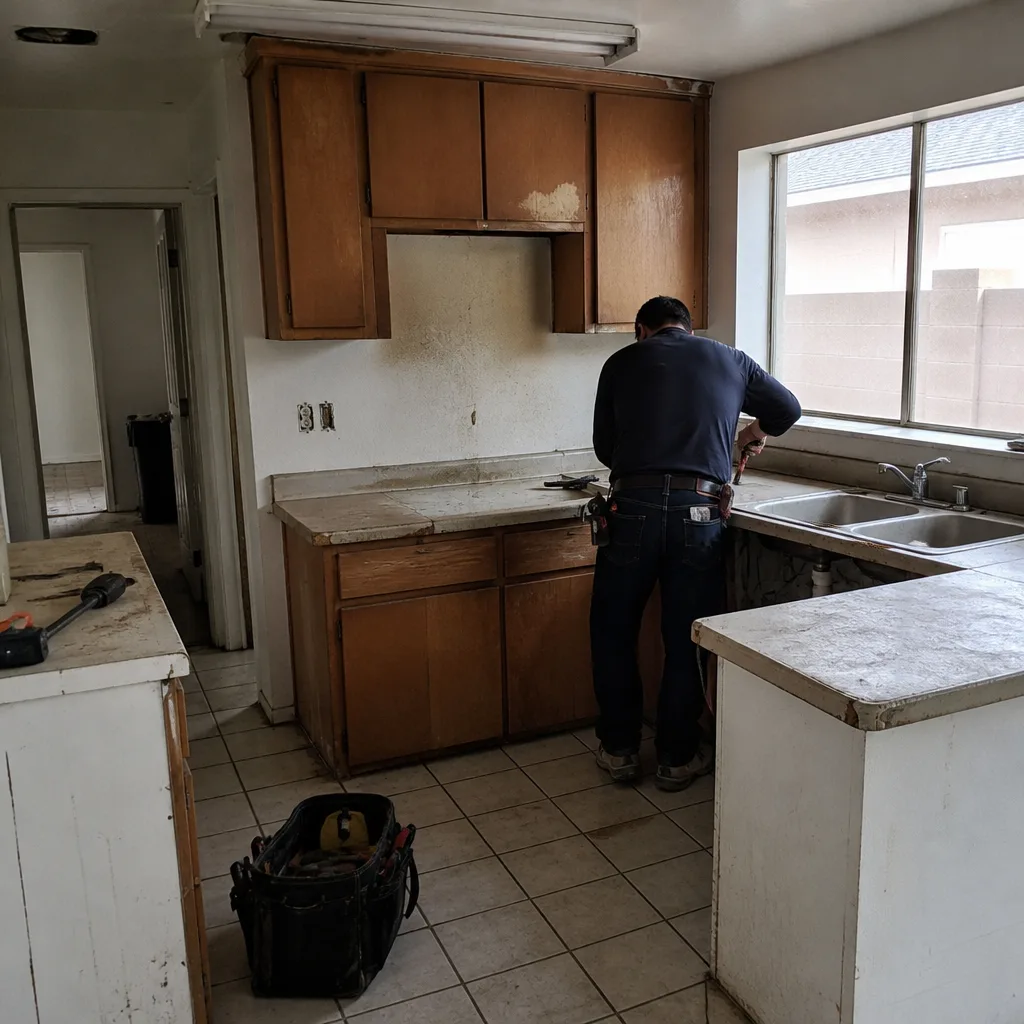 Before
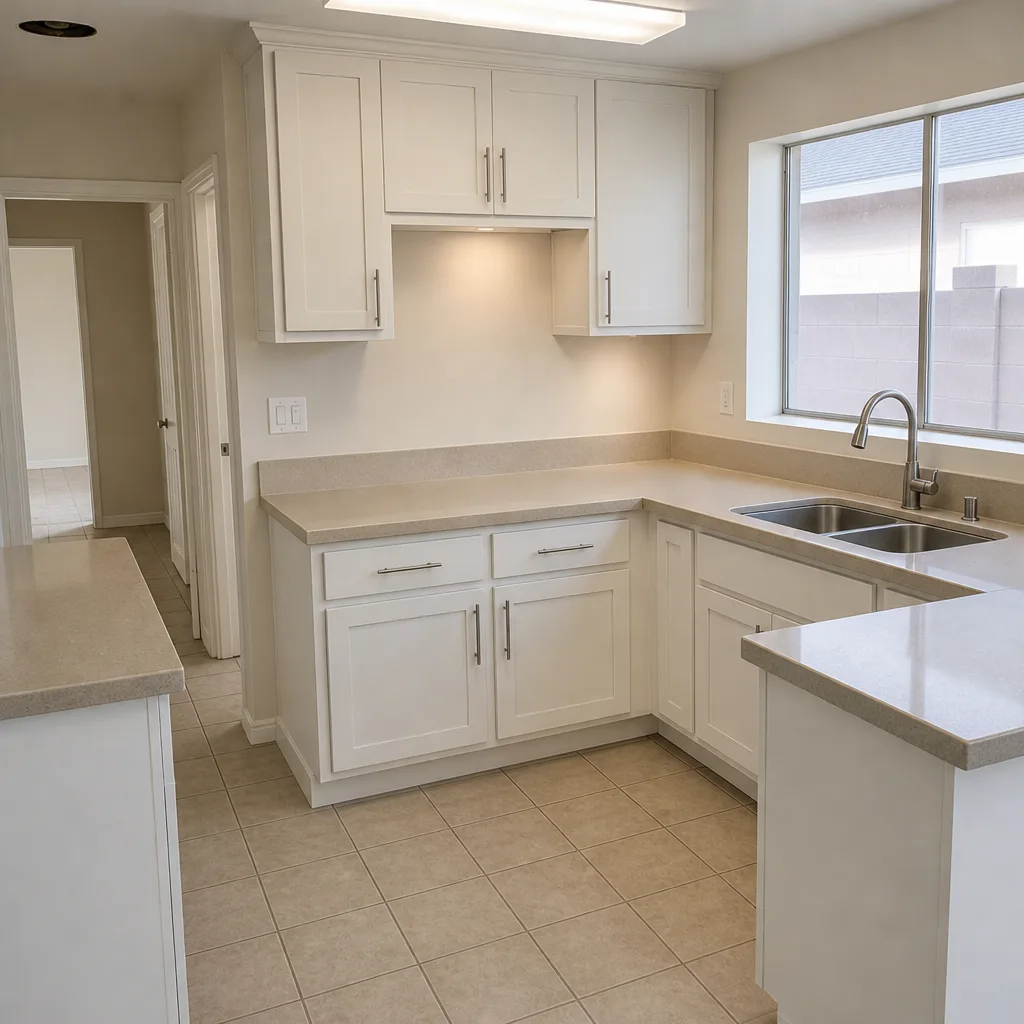 After
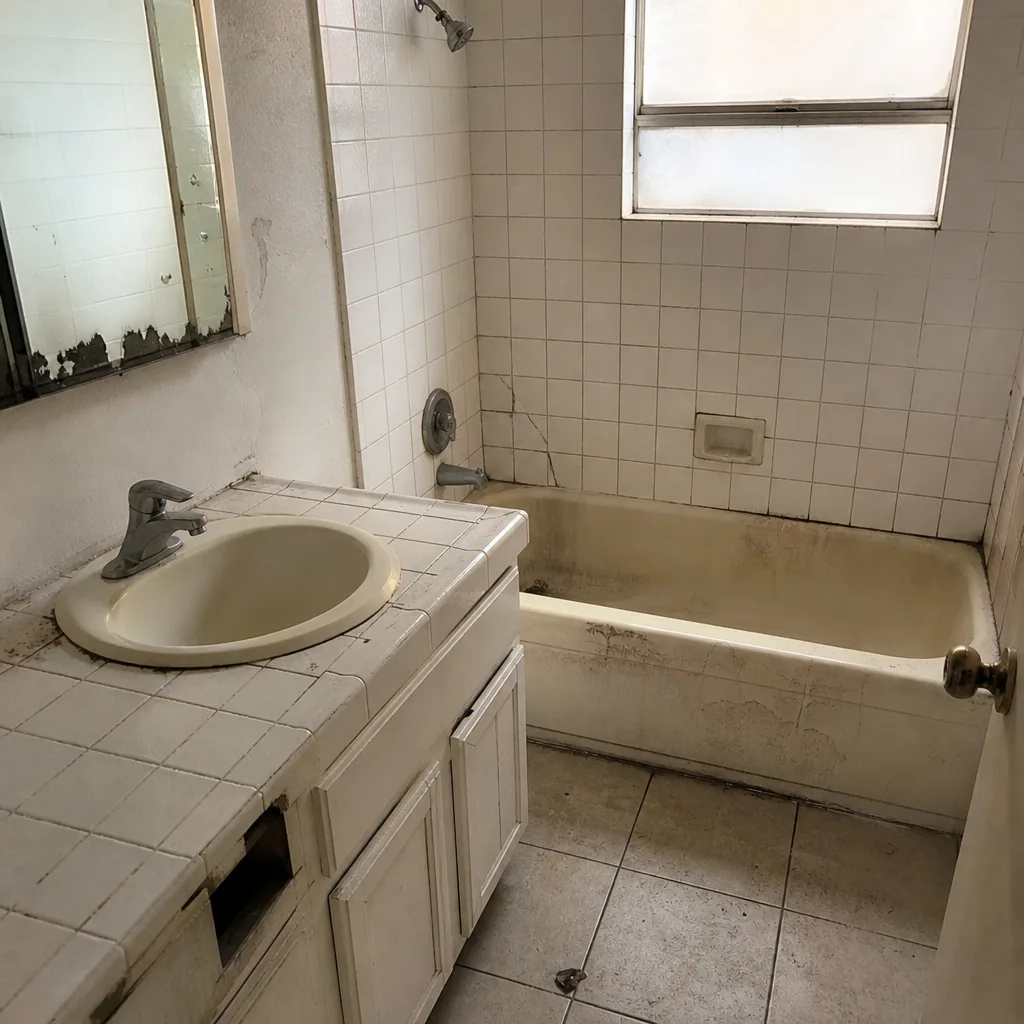 Before
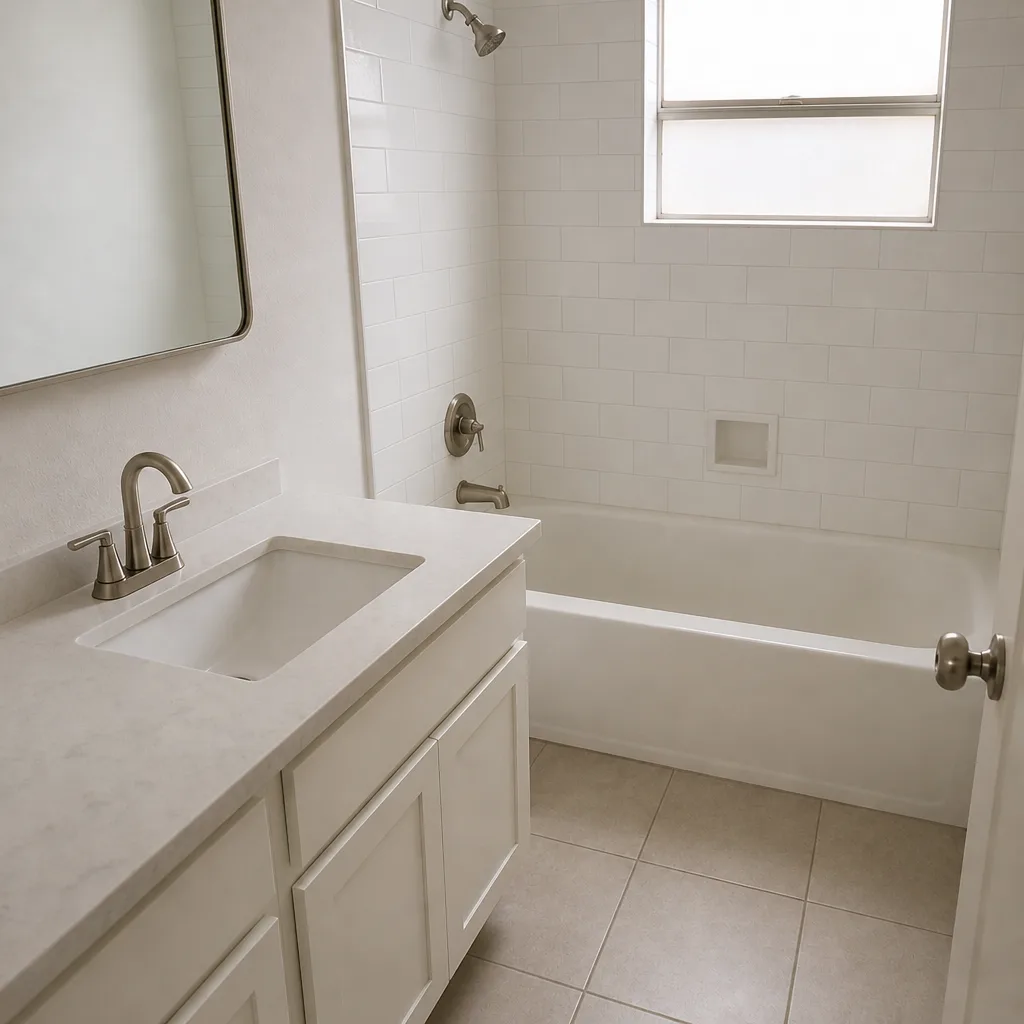 After
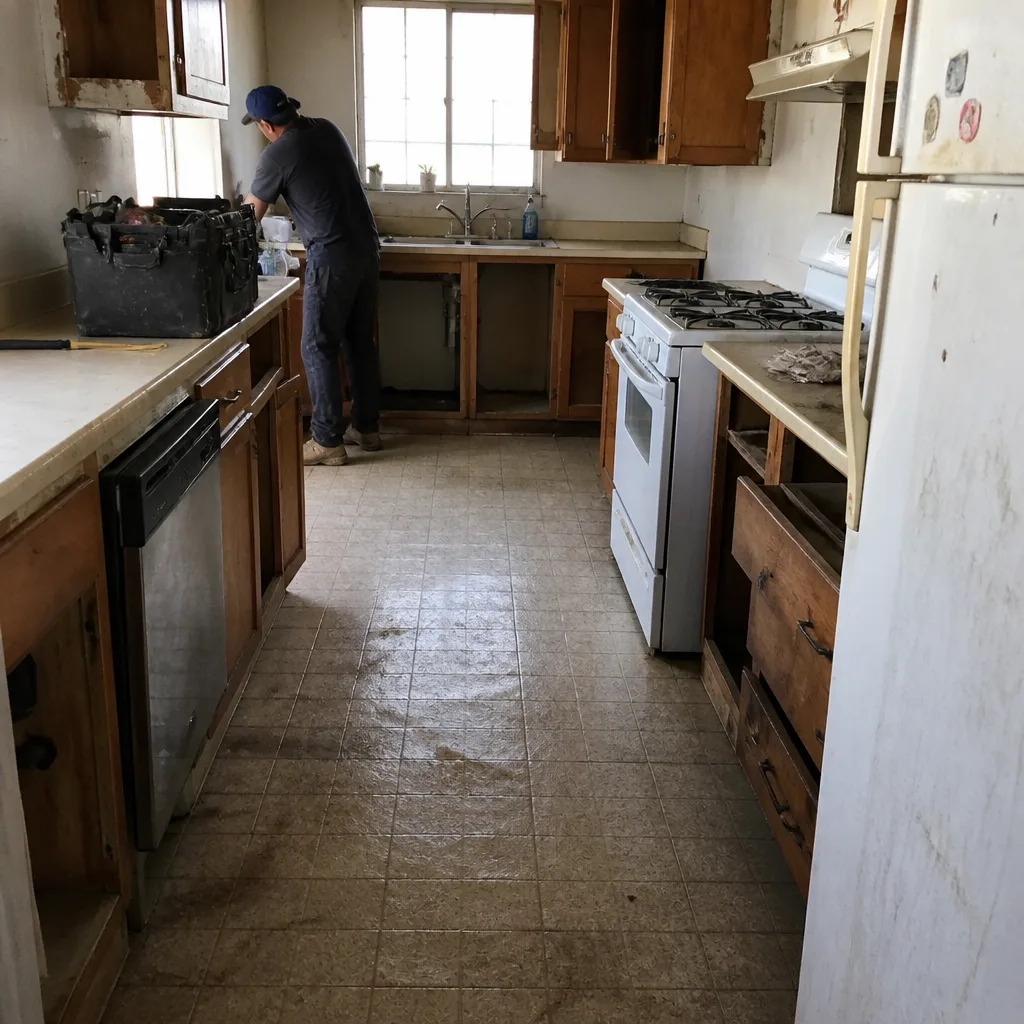 Before
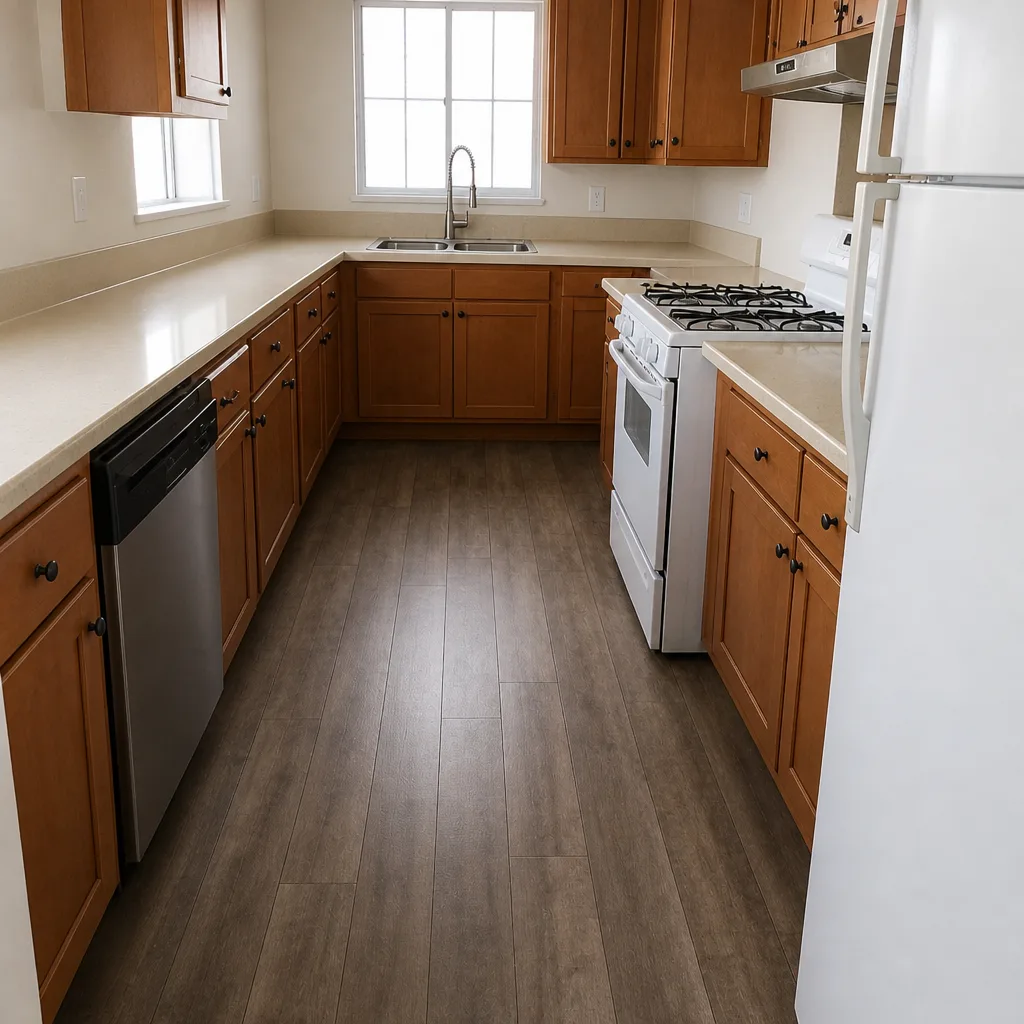 After
When to Call a Professional
Some fence work is a homeowner’s job and some is a structural question. Call a professional when a post leans past the 1/4-inch-per-12-inch tolerance and the footing is suspect, when a gate has dropped or a hinge has torn out of the wood, when a vinyl panel has cracked at its connections, or when a warranty claim needs a documented inspection and repair record. If a post is set in caliche that has shifted, resetting it correctly usually means removing concrete and re-pouring, which is not a weekend task. Rowan Construction Group North Las Vegas offers free estimates in North Las Vegas – call (844) 708-4417. Every visit includes a documented photo record, and our technicians have up to 19 years of experience reading what a fence actually needs. If you already have a written estimate from another contractor, we’ll review it line by line at no charge.
Frequently Asked Questions
Twice a year – April and October. April catches winter wind damage and post movement before summer, and October catches UV damage and hardware corrosion while the second sealing window is still open. Two inspections a year with dated photos will catch most failures before they become expensive.
No. Most sealants need the surface between 60°F and 85°F, and a sun-facing fence here runs far hotter than that in summer. Sealing in July causes uneven curing and early flaking. Wait for the April-May or October-November windows, and use a surface thermometer rather than the air forecast. Call (844) 708-4417 for a free estimate if you’d rather we handle the prep and application.
Look for three things: chalking, which wipes off as a white powder and is correctable with a vinyl restorer at about $0.08 per square foot; cracking at connection points, which is structural and needs panel replacement; and yellowing, which is irreversible but cosmetic. Sorting them apart tells you whether you need a cheap clean, a repair, or nothing at all.
It depends on the material. Zinc-plated hinges last about 3 to 5 years at roughly $12 a set, hot-dipped galvanized lasts 8 to 10 at about $28, and 316 stainless lasts 15-plus at about $65. Lubricating twice a year extends any of them, and if you already have a quote from another contractor, we’ll review it line by line for free.
One quarter inch per 12 inches of post height. A post leaning less than that is within tolerance and can be monitored. Past that, it needs bracing or resetting before wind takes it further. If the footing is compromised, resetting usually means removing concrete and re-pouring – call (844) 708-4417 for a free estimate.
Yes, in most cases. Most manufacturer warranties require documentation to honor a claim, which means dated photos of post bases, gate hardware, and any damage, plus the product names and application dates for every sealant or treatment. Keep the original install paperwork in the same folder. Under Clause 1 of the Haven Standard, the written price and written warranty are documented from day one – keep them.
The Bottom Line
A North Las Vegas fence fails from sun and thermal cycling before it fails from rain, so the maintenance schedule that matters here is built around UV and heat, not moisture. Inspect in April for wind and post movement, and in October for UV and corrosion. Seal wood only in the 60-85°F windows this climate gives you in spring and fall. Watch vinyl for chalking, cracking, and yellowing, and treat each differently. Choose gate hardware for the interval you want, not the lowest price. Keep dated photos and a product log, because that record protects the warranty. If the work turns structural, call (844) 708-4417 for a free estimate from Rowan Construction Group North Las Vegas. We’ve delivered more than 4,000 projects, each with a written price before work started and a documented photo record when the crew left – backed by the 365-Day Done Right Promise.
Written by the team at Rowan Construction Group North Las Vegas.