Last updated November 18, 2026



Free written scope consultation - allowances, timeline, and change-order rules on paper before a single trade is scheduled
Home Additions & ADU Maintenance Schedule: What to Do and When
A detached ADU with a mini-split HVAC system, a tankless water heater, and a low-slope roof has three separate maintenance cycles running on three completely different clocks. None of them line up with the annual checklist most North Las Vegas homeowners already follow for the main house. The filter gets cleaned when someone remembers. The condensate line clogs in July. The stucco that looked fine in March is chalky and cracking by September. Treat the ADU as a second building with its own inspection intervals and you keep small problems small. Treat it as an extension of the primary home and you find out about the roof leak from a tenant. This guide lays out the calendar, the trades, the documentation, and the North Las Vegas code piece most owners miss entirely.
Quick Answer
An ADU needs four scheduled maintenance touchpoints a year in North Las Vegas: an April HVAC filter and coil service before the first 100°F week, a June roof and flashing inspection before monsoon season, an October exterior caulk and stucco check after summer UV exposure, and a December winterization pass on exposed supply lines. Layer in a monthly mini-split filter cleaning, a bi-annual refrigerant pressure check by a certified HVAC technician, and an annual owner-occupancy self-certification filing with the city, and you have the full cycle. Written records of each one matter as much as the work itself.
Styles & brands we work with
- Kitchen remodeling
- Bathroom remodeling
- Home additions & ADU
- Roofing
- Windows & doors
- Driveway & pavers
- Fence
Table of Contents
- Why an ADU Runs on a Different Maintenance Clock
- The North Las Vegas ADU Maintenance Calendar
- Mini-Split Maintenance Most Owners Skip
- Stucco and Envelope Care in Desert UV
- The Owner-Occupancy Covenant and Your Annual Filing
- The Documentation System That Protects Resale and Insurance
- Roof, Plumbing, and Foundation Intervals
- Common Mistakes to Avoid
Why an ADU Runs on a Different Maintenance Clock
A detached accessory dwelling unit is a second building on your lot. It has its own roof, its own foundation, its own water heater, and its own HVAC system. The main home’s maintenance routine was set up around one set of systems, and when the ADU came online nobody rewrote the schedule. That gap is where costs start.
Three things make the ADU different in practice. First, the systems are smaller and less forgiving. A 900-square-foot unit with a single-zone mini-split has no redundancy. If the condenser coil fouls, the whole unit loses cooling. Second, the maintenance intervals are shorter than the primary home’s. A tankless water heater needs descaling every year in North Las Vegas because the water here runs hard, typically 12 to 18 grains per gallon. A tank-style heater in the main house can go years between flushes without anyone noticing. Third, the ADU usually houses someone else, which means small failures turn into urgent calls and, in a rental situation, habitability problems.
We’ve watched this pattern repeat across North Las Vegas: the main house gets its spring AC service, its fall furnace check, its annual roof look, and the ADU goes three or four years with none of it. By then a $180 coil cleaning has become a $1,400 compressor replacement. Or a $90 stucco patch has become a $6,000 moisture intrusion repair behind the wall. The fix is not more work. It’s a schedule that names the ADU’s systems separately and puts a date on each one. If your addition is still on the drawing board, the Home Additions & ADU in North Las Vegas page covers what goes into the build itself.
The North Las Vegas ADU Maintenance Calendar
This is the twelve-month cycle we recommend for a detached ADU in the North Las Vegas climate. The dates are anchored to weather patterns rather than the calendar quarter. Summer here starts earlier than most schedules assume, and monsoon season lands in the middle of it.
- April – HVAC filter and coil cleaning. Do this before the first sustained 100°F stretch, which in North Las Vegas typically arrives in the last two weeks of May. Clean or replace the mini-split filter, wash the outdoor condenser coil, and clear debris from around the unit. A dirty coil in 110°F heat can push the system past its rated capacity and shorten compressor life.
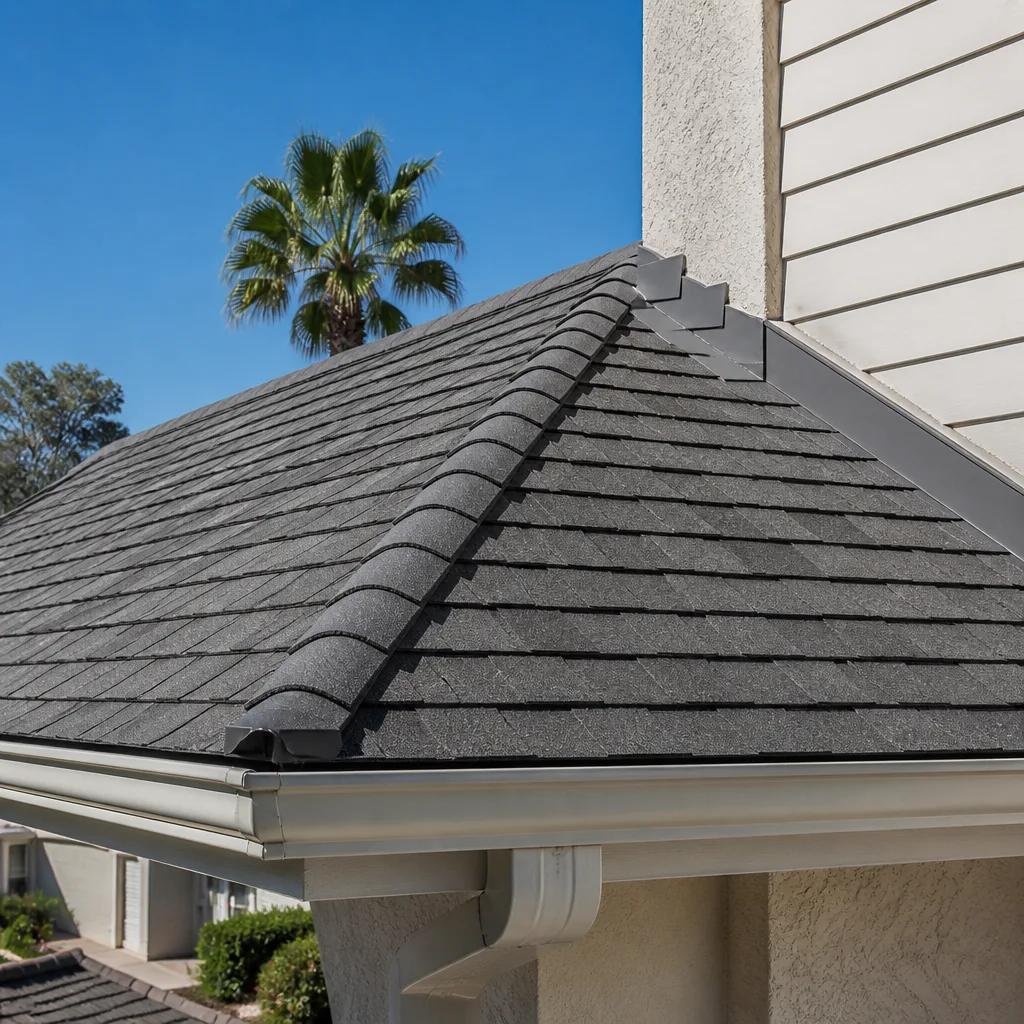
- June – roof and flashing inspection. Monsoon season in southern Nevada runs roughly July through September. Every roof penetration, every boot around a vent pipe, every seam in the low-slope membrane gets walked and checked before that window. This is also the month to clear the roof drains and scuppers, since ponding water on a flat roof is a slow leak waiting to happen.
- October – exterior caulk and stucco inspection. Summer UV exposure is the hardest thing the desert does to a building envelope. Walk the exterior, check every caulk bead at windows, doors, and penetrations, and tap the stucco for delamination (more on that below).
- December – winterization for exposed lines. North Las Vegas gets hard freezes most winters, and they arrive fast. Any exposed supply line in an unconditioned space – a hose bib, a line running through a garage or crawlspace – needs insulation or shutoff. Tankless water heaters with exterior installation need their freeze protection verified.
Two off-cycle items belong on the same calendar. Mini-split filters get cleaned monthly during cooling season, and the condensate drain gets flushed annually. Both are covered in the next section. Add a foundation and slab check every two years, since expansive clay soils in the North Las Vegas valley do move with seasonal moisture changes.
Mini-Split Maintenance Most Owners Skip
A ductless mini-split is the most common HVAC choice for a North Las Vegas ADU, and it’s also the system most often neglected. Four tasks keep it running. Two are owner-level. Two need a certified technician, and we want to be plain about which is which.
- Monthly: filter cleaning. Pop the front panel, pull the mesh filter, rinse it under warm water, let it dry, put it back. In dusty desert air this takes ten minutes and prevents the coil fouling that drives most performance complaints. If the filter looks gray after a week, that’s normal here.
- Annually: condensate drain flush. The indoor unit pulls moisture out of the air and drains it through a small line. That line clogs with biological growth, and when it does, water backs up into the unit or the wall. Pour a cup of distilled white vinegar down the drain line once a year, or have a technician blow it clear. A wet stain on the wall below the indoor head is the tell.
- Bi-annually: refrigerant pressure check. This one needs gauges and a technician certified to handle refrigerant. A sealed system holds its charge for years when it’s healthy. Pressure that drifts low means there’s a leak somewhere, and the leak gets worse. This is a routine check, not a repair.
- Watch for the low-refrigerant symptom. Before a low charge becomes a compressor failure, the system shows it: the indoor coil ices up, cooling output drops, the unit runs longer to reach setpoint, and the electric bill creeps up with no obvious cause. If you see ice on the indoor unit in August, call a technician before running it again.
One safety note on the electrical side. If your ADU’s mini-split is fed by a dedicated circuit at the panel, never open the panel or reset a tripping breaker repeatedly to “see if it holds.” A breaker that trips under load is reporting a real fault. Electrical panel work is a licensed-trade job, and a technician should diagnose it, not a homeowner with a screwdriver.
Stucco and Envelope Care in Desert UV
Acrylic stucco finishes on North Las Vegas homes take a beating that coastal and midwestern stucco never sees. The UV index here runs high most of the year, and that UV breaks down the acrylic binder in the finish coat over time. The visible result is chalking, fading, and a surface that feels like it’s shedding powder when you rub it. The invisible result is a finish that’s no longer sealing the substrate.
The repaint interval. A properly applied acrylic stucco finish in this climate needs repainting roughly every 7 to 10 years. A northern-facing wall may go longer. A west-facing wall that takes full afternoon sun may need attention sooner. The finish that’s still holding its color and shedding water at the start of the interval doesn’t need repainting yet. The one that absorbs water when you mist it does.
The tap test for delamination. Delamination is the finish coat separating from the scratch coat underneath. It happens when moisture gets behind the stucco and the bond breaks. To check for it, tap the wall with the plastic handle of a screwdriver. A solid wall gives a dull, consistent thud. A delaminated section gives a hollow, papery sound, almost like tapping a drum. Mark any hollow spots and call a plastering contractor. Underneath that finish, a weep screed at the base of the wall is supposed to let moisture escape. If the weep screed is buried in soil or blocked by a paver border, water has nowhere to go and delamination accelerates. Keep the screed clear.
Fence and hardscape share the same desert envelope logic. A wood or vinyl fence takes UV exposure the same way stucco does, and a paver walkway that’s been undermined by monsoon runoff needs resetting before it becomes a trip hazard. Our guides to fence installation in North Las Vegas and driveway and pavers in North Las Vegas cover the seasonal side of that maintenance.
The Owner-Occupancy Covenant and Your Annual Filing
This is the piece most ADU owners learn about the hard way. North Las Vegas, like most jurisdictions that allow ADUs, requires the property owner to live in either the main house or the ADU. That owner-occupancy requirement is often recorded as a covenant tied to the ADU permit, and it typically requires an annual self-certification filing with the city. Miss it and the city may consider the covenant lapsed.
What happens when the covenant lapses depends on how the code is enforced, but the realistic consequences are all bad for the owner. The city can revoke the ADU permit. A rental that was legal becomes an unpermitted use, which means the rental income is at legal risk, the property may have to be re-inspected, and a future sale can stall because the title search shows an unpermitted structure. Insurance can also deny a claim on a structure it considers unpermitted. The fix is not complicated, but it does require tracking the filing date and keeping the receipt in the property file.
If you bought a home with an existing ADU, confirm in writing that the covenant was recorded and confirm the filing deadline with the city. If you’re planning a new ADU, our Home Additions & ADU in North Las Vegas service page covers the permit path. The Rowan Construction Group North Las Vegas home page lays out how permits and inspections are documented on every project we run.
The Documentation System That Protects Resale and Insurance
The maintenance work is half the job. The records are the other half, and they carry real dollar value when you sell or file a claim. Keep these five items in a single folder, physical and digital:
- The permit final card. The stamped card from the building department confirming the ADU passed its final inspection. Without it, a buyer’s lender may treat the ADU as unpermitted square footage.
- Every inspection report. Each trade inspection – framing, electrical, plumbing, final – has a paper trail. Keep it with the permit.
- Appliance manuals and serial numbers. Mini-split, tankless water heater, range hood, dishwasher. Serial numbers are what a warranty claim actually requires.
- Warranty registrations and service records. The registration confirmation and the service invoices. A compressor that failed at year four is covered if you can show the service history.
- Covenant filing receipts. The annual self-certification proof, dated and filed.
Here’s why this matters in dollars. An ADU backed by a clean permit and a documented service history appraises higher than the same structure without records. On an insurance claim, a structural loss on an unpermitted or undocumented ADU is the kind of dispute that ends in a denied claim. Rowan’s own process bakes the record into the job: every visit includes a documented photo record as a standard deliverable, and the customer leaves with evidence of what was found and what was done. The 365-Day Done Right Promise, printed on every page and backed by a terms page, means that record has something behind it.
Roof, Plumbing, and Foundation Intervals
The three structural systems on the ADU are the ones that cause the most expensive surprises, so here are their intervals in one place.
Roof
Inspect annually before monsoon season and after any major wind event. A low-slope roof in North Las Vegas needs its membrane seams checked and its drains cleared each year. If your ADU roof uses shingles, check the layer count on any reroof – a third layer is where shingle roofs stop being worth patching. Roof work belongs to a licensed roofing contractor, and height safety on a two-story addition is not a homeowner task.
Plumbing
Annual tankless descaling due to hard water. Every two years, check the angle stops and supply lines under the sink and behind the toilet. A $12 braided supply line is cheap; water damage behind a wall is not. If your ADU was built before the widespread use of PEX, confirm what pipe material runs through the walls. Older polybutylene and galvanized lines fail on their own schedule regardless of maintenance.
Foundation
Walk the slab or stem wall every two years. Cracks wider than a credit card or doors that stop latching are the signals worth a structural inspection. Expansive clay in the North Las Vegas valley moves with seasonal moisture, and the fix is usually drainage correction rather than foundation work. Get ahead of it.
Common Mistakes to Avoid
- Running the ADU on the primary home’s maintenance schedule. The intervals are shorter, not the same. A tank-style water heater in the main house can go years untended; the ADU’s tankless unit needs annual descaling.
- Skipping the pre-monsoon roof inspection. A flat roof drain that ponded all summer is a leak that starts in July and shows up as a ceiling stain in October. Inspect in June, before the storms.
- Ignoring stucco delamination until it’s a moisture problem. The tap test takes five minutes and costs nothing. A hollow spot caught early is a plaster patch. Caught late it’s a wall cavity repair.
- Letting the owner-occupancy covenant lapse. Owners who skip the annual self-certification filing can end up with a permit status question and legal rental income at risk. File it on time and keep the receipt.
- Never cleaning the mini-split condensate line. The single most common ADU cooling call we see is a clogged drain line backing water into the wall. It takes a cup of vinegar once a year to prevent.
- Treating records as optional. The permit final card, inspection reports, and warranty registrations are what protect resale value and insurance claims on the ADU. A shoebox in the closet is not a documentation system.
- Attempting structural or electrical work as a DIY project. Roof work, panel work, and foundation diagnosis are trade jobs. A do-it-yourself fix that voids a warranty or fails an inspection costs more than the crew would have.
When to Call a Professional
Call a licensed professional for anything that involves the roof surface, the electrical panel, gas, or the foundation. Those four things cause injury or structural loss when handled without training, and no maintenance schedule justifies a homeowner on a two-story roof in North Las Vegas heat. Call for a mini-split refrigerant check if you see ice on the indoor unit or the system runs long without cooling. Call for a stucco inspection the moment a tap test turns hollow, and call an HVAC technician for a condensate drain that won’t clear with a vinegar flush. Rowan Construction Group North Las Vegas offers free estimates in North Las Vegas and a free second opinion on any written estimate – bring a competitor’s quote and we’ll review it line by line at no charge. Call (844) 708-4417 to schedule your free estimate.
See the difference
 Before
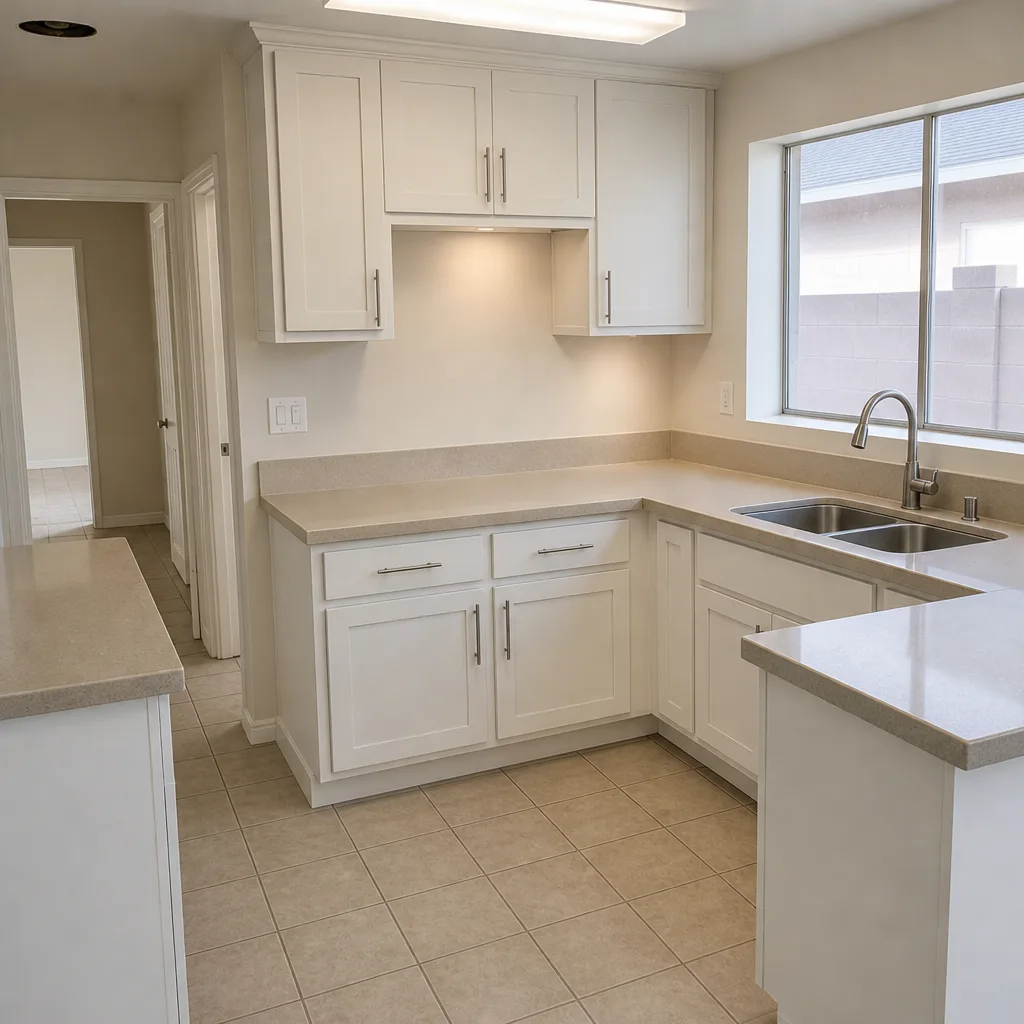 After
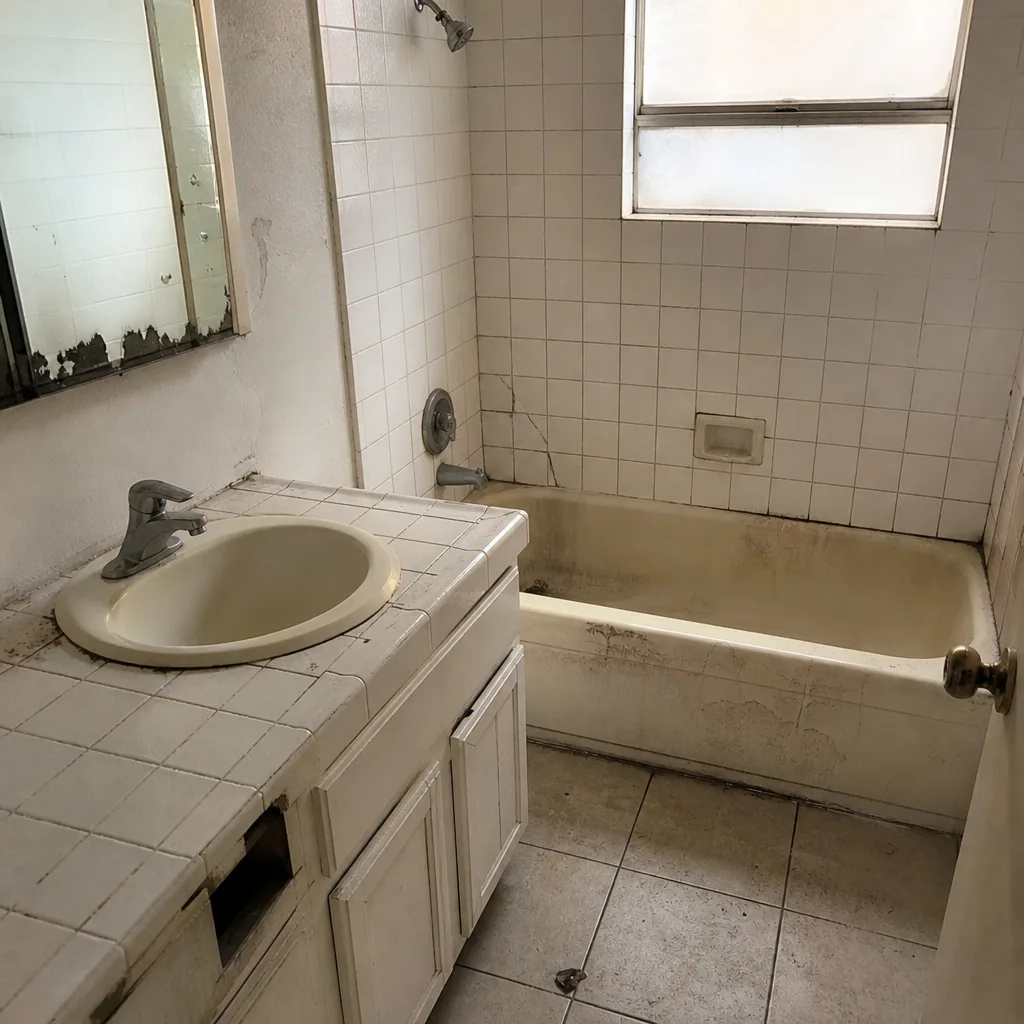 Before
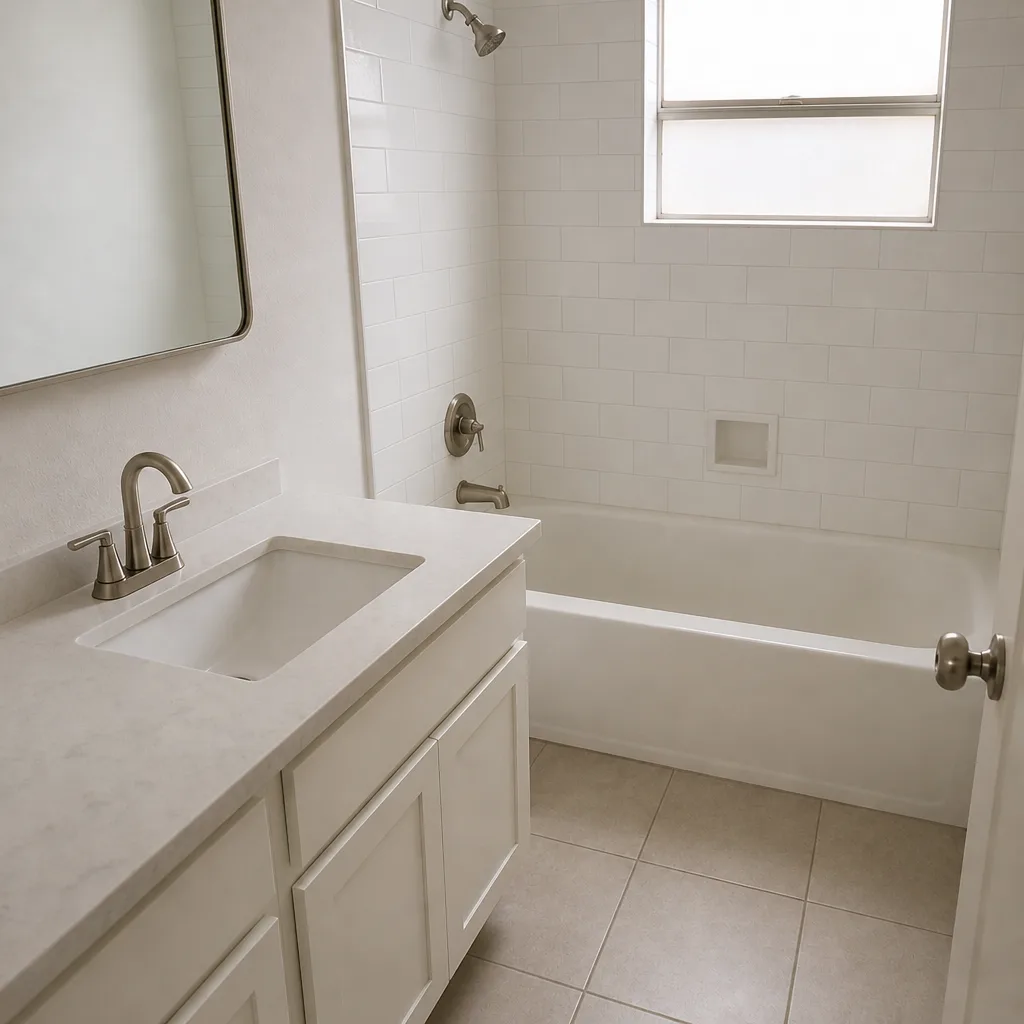 After
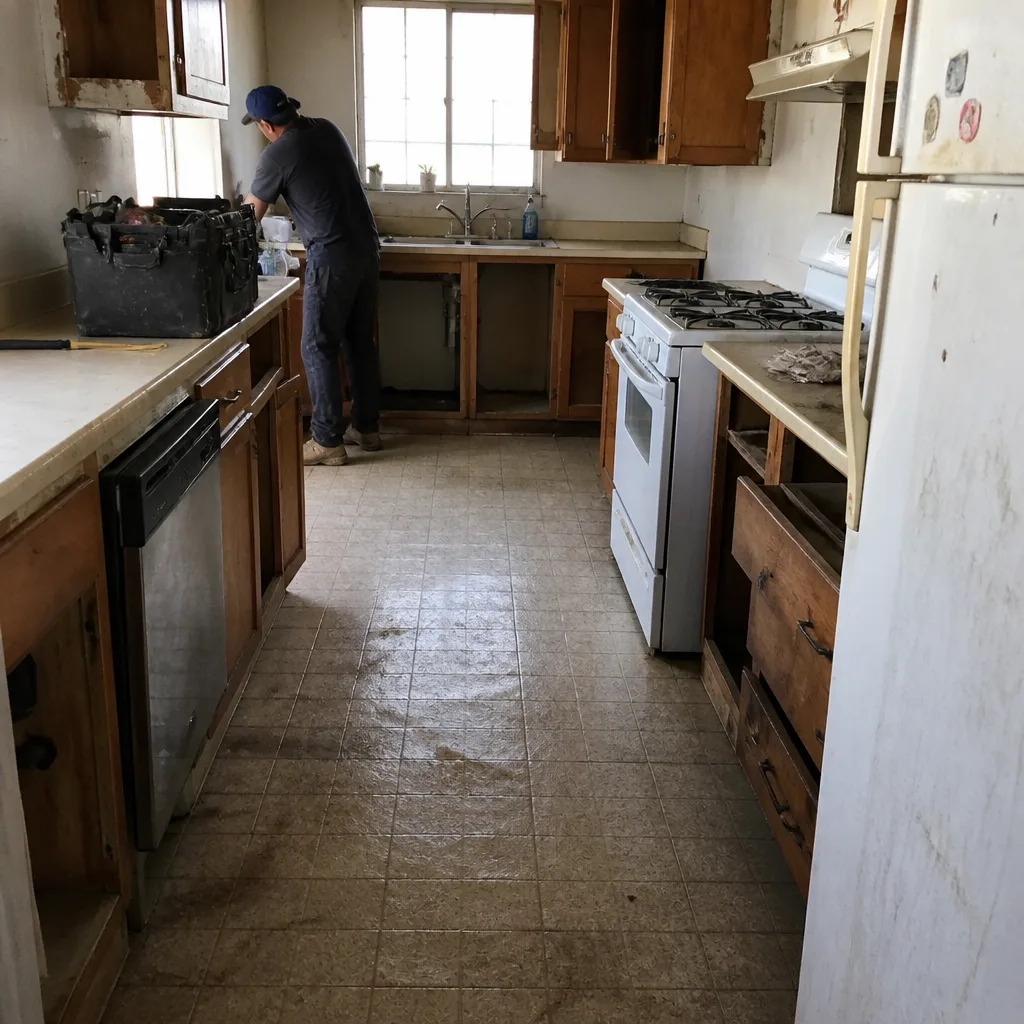 Before
 After
Frequently Asked Questions
Four scheduled touchpoints a year: April HVAC service, June roof inspection, October stucco and caulk check, and December winterization. Layer in monthly mini-split filter cleaning and a bi-annual refrigerant check. That’s the full cycle for a detached ADU in this climate. Call (844) 708-4417 for an exact quote on any of these items – estimates are free.
No. Under Rowan’s process, every project is quoted with a flat written price and written scope before work begins, and no work proceeds on a change until the change order is signed. That discipline is why projects finish within a few percent of the agreed number. Call (844) 708-4417 to schedule your free estimate.
Routine filter and coil cleaning typically runs in the $120 to $220 range, and a refrigerant pressure check with a technician certified to handle refrigerant typically runs $90 to $180. A condensate drain flush is often bundled in. Prices vary with access and system size. Call (844) 708-4417 for an exact quote – estimates are free.
Yes. Permits are pulled and inspections passed on every project we run, and the final card and inspection reports are delivered to you as part of the record. That paperwork is what protects the ADU’s legal status and resale value. Call (844) 708-4417 to discuss the permit path for your project.
Inspect annually in October and plan on repainting every 7 to 10 years. West-facing walls typically hit the short end of that range because of afternoon UV exposure. Tap-test for hollow spots at every inspection. Call (844) 708-4417 for a free estimate on stucco inspection or repainting.
The city can treat the covenant as lapsed, which puts the ADU permit status at risk, threatens the legal standing of rental income, and can stall a future sale or insurance claim. Confirm the filing deadline with the city and keep the receipt in your property file. Call (844) 708-4417 if you need help reviewing the permit documentation on an existing ADU.
The Bottom Line
An ADU is a second building with its own roof, HVAC, plumbing, and foundation, and it needs a schedule built around its own systems rather than the primary home’s checklist. In North Las Vegas that means an April HVAC service, a June roof and flashing inspection before monsoon season, an October stucco and caulk check, and a December winterization pass, plus monthly mini-split filter cleaning and the annual owner-occupancy filing with the city. Keep the permit final card, inspection reports, appliance manuals, warranty registrations, and covenant receipts in one folder. That documentation is what makes the ADU worth what you paid for it at resale and defensible on an insurance claim. The schedule is not complicated. Following it is the difference between a minor service call and a structural repair.
Contact
If you want the schedule turned into a written scope with a flat price before anyone picks up a tool, call Rowan Construction Group North Las Vegas at (844) 708-4417 for a free estimate. Every project comes with a written price and written scope before work starts, a signed change order before any change proceeds, and a documented photo record on every visit. The 365-Day Done Right Promise is printed on every page and backed by a terms page – if it’s not done right, we make it right.
Written by the team at Rowan Construction Group North Las Vegas.