Last updated November 18, 2026
Free written scope consultation - allowances, timeline, and change-order rules on paper before a single trade is scheduled
Construction Permits, Codes & Inspections in NV: What You Need to Know
Nevada adopted the 2018 International Building Code statewide in 2020, but that single fact misleads most homeowners in the Las Vegas Valley. North Las Vegas amended the 2018 IBC with local provisions covering solar, roofing, and grading – amendments you won’t find in a standard IBC lookup, which means a specification built on the state code alone can still fail plan check at NLV Building & Safety. The Valley splits into at least four enforcement jurisdictions, each with its own fees, inspection protocols, and adoption timeline. This guide maps which authority governs your parcel, what the inspection sequence looks like from application to final, and what happens when you sell a house with unpermitted work. We’ll keep the North Las Vegas specifics in plain terms.
Quick Answer
In Nevada, the jurisdiction that issues your permit depends on where your parcel sits, not where your contractor is based: North Las Vegas parcels run through NLV Building & Safety, unincorporated areas through Clark County, and separate departments govern the City of Las Vegas and Henderson. A permit pulled in the wrong jurisdiction is null regardless of how well the work matches the code, and inspection sequences differ by project type. Confirm your authority by APN lookup before you submit anything.
Styles & brands we work with
- Kitchen remodeling
- Bathroom remodeling
- Home additions & ADU
- Roofing
- Windows & doors
- Driveway & pavers
- Fence
Table of Contents
- Which Jurisdiction Governs Your Parcel?
- What Do North Las Vegas Permits Cost?
- The Inspection Sequence for a Room Addition
- North Las Vegas Local Amendments That Catch People
- Selling a Home With Unpermitted Work
- Common Mistakes to Avoid
- When to Call a Professional
- Frequently Asked Questions
Which Jurisdiction Governs Your Parcel?
This is the first question, and it’s the one homeowners skip. North Las Vegas mailing addresses routinely sit on unincorporated Clark County land, and the reverse happens too. The permit office that governs your build follows the parcel boundaries drawn on the county assessor’s map, not your ZIP code and not the city name on your utility bill.
The method is straightforward. Look up your Assessor’s Parcel Number (APN) on the Clark County Assessor site. Every recorded parcel carries an APN, and the assessor’s record lists the jurisdiction of record. If the record shows City of North Las Vegas, you submit to NLV Building & Safety. If it shows unincorporated Clark County, Clark County issues the permit. Henderson parcels run through Henderson’s own department.
Why it matters in practice: a roofing permit filed with the wrong department gets accepted, fees get paid, and the error may not surface until the inspector arrives. At that point the permit is void, the inspection doesn’t count, and you’ve lost weeks. We’ve seen this on re-roofs along the Ann Road corridor where the parcel line sits a few hundred feet from the postal address boundary.
Before you file, confirm all of the following:
- The APN listed on your closing documents matches the assessor record.
- The jurisdiction of record matches the department you’re submitting to.
- Your contractor’s license is active for the correct classification in Nevada.
- Any HOA overlay requirements are cleared separately from municipal code (they’re enforced by the association, not the city).
If you’re planning a Rowan Construction Group North Las Vegas home project that touches structure, grading, or utilities, this check runs before the quote, not after.
What Do North Las Vegas Permits Cost?
NLV Building & Safety calculates most residential permit fees on a valuation-based formula, not a flat rate. The department applies a rate per $1,000 of declared construction valuation, then adds plan review and technology fees on top. Declared valuation is the number your contractor writes on the application, and it needs to reflect real construction cost – underreporting is a common shortcut that gets flagged at plan check and forces a resubmittal.
Typical ranges for common North Las Vegas residential projects, based on what we see on submitted applications:
- Room addition (300 – 600 sq ft): roughly $1,200 – $3,000 in permit and plan review fees, scaling with valuation and whether the addition adds a bathroom or kitchen.
- Detached accessory structure (garage, workshop, casita under 1,000 sq ft): roughly $500 – $1,400.
- Re-roof (single-family, like-for-like material): roughly $180 – $450. Over-the-counter in most cases, no plan review.
- Swimming pool or spa: roughly $400 – $900, plus separate electrical and fencing permits.
- Driveway replacement (flatwork, no structural): roughly $150 – $400. Pavers over a compacted base often fall under the same flatwork category as concrete, which surprises homeowners who expect a paver project to cost more in fees – it doesn’t, since the fee tracks square footage and right-of-way impact.
Fees are separate from construction cost and are typically itemized on the written quote. Ask for the permit line explicitly. If a contractor tells you permits are “included” without naming a number, ask for the line item. If you want to see how a paver project compares to concrete on the same lot, our Driveway & Pavers in North Las Vegas page walks through the trade-offs.
Two caveats. First, NLV adjusts the fee schedule periodically, so the numbers above are ranges, not fixed quotes. Second, projects in a flood zone or on a slope over the grading trigger require an additional drainage review fee.
The Inspection Sequence for a Room Addition
A North Las Vegas room addition runs through seven inspection gates. Skip one and the next inspector will not sign off, which means a correction notice and a re-inspection fee on your account. Here’s the sequence, in the order the inspectors expect it:
- Plan check and permit issuance. Structural, architectural, and MEP drawings are reviewed together. Corrections come back as a written comment sheet, and you resubmit. Most residential additions take one resubmittal cycle.
- Footing inspection. Held after excavation and rebar placement, before any concrete is poured. The inspector checks depth, rebar spacing, and clearances against the approved plan. Missing anchor bolts or improper rebar coverage triggers a correction here – and concrete that’s already poured can’t be inspected.
- Foundation and slab. If the addition has a raised floor or a slab-on-grade, this is a separate gate. Vapor barrier and slab thickness get checked.
- Rough framing. Held after framing is complete, before insulation. The inspector checks stud spacing, header sizing, shear nailing, and window/door rough openings against the approved plans.
- Rough MEP (mechanical, electrical, plumbing). Held before drywall. Electrical covers box fill, wire gauge, and panel capacity; plumbing covers drain slope and venting; mechanical covers duct sizing and equipment clearances. On additions tied into an existing panel, panel capacity is a frequent correction – older 100-amp panels often can’t carry the new load without an upgrade.
- Insulation and drywall nailing. Insulation R-value and drywall fastener spacing get verified on the same visit in most NLV cases. Nail patterns are checked against the shear schedule.
- Final inspection. Verifies all prior corrections are cleared, smoke and CO detectors are installed and interconnected, and the work matches the approved scope.
Correction notices are routine in a properly run addition, and the goal isn’t zero corrections – it’s knowing which stage will trigger them and getting back on schedule fast. If you’re weighing an addition against a smaller footprint for a separate unit, our Home Additions & ADU in North Las Vegas page covers the difference in plan check complexity.
North Las Vegas Local Amendments That Catch People
NLV’s amendments to the 2018 IBC don’t appear on a standard IBC lookup, and that’s the trap. A spec sheet pulled from the state code will still miss these three items, and any one of them can sink a plan check.
Cool-roof requirements
NLV requires cool-roof-rated materials on new construction and on some re-roofs where the existing roof assembly falls below the reflectivity threshold. The metric is Solar Reflectance Index (SRI), and products are rated by the Cool Roof Rating Council. A GAF Timberline shingle line carries cool-roof-rated SKUs that meet the NLV threshold, but not every SKU in the same line does. Roofers who don’t check the specific SKU against the NLV list get a correction notice on a re-roof that should have been over-the-counter.
Grading and drainage plan triggers
North Las Vegas sits in the upper Las Vegas Wash watershed, and the city’s grading code triggers a drainage plan review when a project disturbs more than a set threshold of soil, changes grade on a slope, or alters flow across a property line. Adding a detached garage, regrading a driveway, or building a retaining wall over a specified height can each cross a trigger. A single-family pool rehab that moves dirt can trigger it too. Homeowners in flood-prone areas like the upper sections around Tropical Parkway see this more often than the rest of the city.
Solar-ready conduit
New single-family construction in NLV carries a solar-ready conduit requirement. A dedicated conduit path from the roof to the main electrical service panel must be installed during construction so a future photovoltaic installation doesn’t require cutting into finished walls. If you’re building a new home or an ADU with its own service, this is a plan-check item, not an option.
We factor all three into the design stage so the drawings go in clean. If a spec sheet references the base IBC without naming these amendments, treat it as incomplete.
Selling a Home With Unpermitted Work
Nevada’s seller disclosure law requires you to disclose known unpermitted work on the property condition disclosure form. This isn’t optional and it isn’t limited to work you performed yourself – if you inherited the issue at purchase, you still disclose. In our experience, unpermitted additions, converted garages, and self-installed patios come up most often in the North Las Vegas resale market, particularly in older neighborhoods where permits were skipped decades ago.
The retroactive permit process exists to fix this. It works in roughly this order:
- Submit a permit application for the existing work, classified as an as-built or retroactive permit.
- Plan check compares what exists against current code. For work built under an older code cycle, the department will sometimes accept the code cycle in effect when the work was performed, but that’s not guaranteed.
- An inspection is scheduled. The inspector determines whether the work can be brought into compliance without demolition, or whether partial demo is required to expose concealed conditions (framing, wiring, plumbing).
- If corrections are required, they’re completed and re-inspected.
- Final sign-off is recorded, and the permit history now shows legal work.
Realistic cost ranges to bring common unpermitted work into compliance in North Las Vegas:
- Unpermitted garage-to-bedroom conversion: roughly $2,500 – $8,000, driven by egress window installation, insulation upgrade, and electrical.
- Unpermitted patio cover or detached shade structure: roughly $800 – $2,500.
- Unpermitted bathroom addition: roughly $3,000 – $9,000, mainly plumbing and venting corrections.
- Unpermitted electrical panel replacement: roughly $1,200 – $3,500, including utility coordination.
These ranges assume the underlying work is structurally sound. If demolition is required, add accordingly. Sellers who bring work into compliance before listing avoid the negotiation deduction that lenders and buyers apply to unpermitted structures – a $5,000 compliance fix frequently avoids a $15,000 buyer credit request at closing.
Common Mistakes to Avoid
- Assuming your mailing address equals your jurisdiction. We covered this in the jurisdiction section, but it’s the mistake we see most. Pull an APN lookup before submitting, every time. A permit filed in the wrong department is void and the fees are already spent.
- Building a spec sheet from the state IBC alone. The 2018 IBC is the baseline, not the whole rule. NLV’s cool-roof, grading, and solar-ready amendments sit on top, and they aren’t visible on a standard code lookup. Check the specific NLV amendment list before drawing.
- Underreporting construction valuation to reduce the fee. NLV’s valuation-based fee formula rewards honest numbers. Underreporting triggers a plan-check rejection, a resubmittal, and a re-review, which costs more time than the fee saved.
- Skipping the rough MEP inspection on a panel-upgrade project. A 100-amp panel is a common bottleneck on older North Las Vegas homes. If the addition adds a heat pump, EV charger, or dryer outlet, the panel needs to be reviewed at plan check or you’ll hit a correction at rough MEP that forces a panel upgrade mid-build.
- Assuming HOA approval and city permit are the same thing. An HOA architectural committee can reject a plan the city has already approved. Get the HOA sign-off in writing before filing with NLV.
- Planning a paver driveway without checking the right-of-way. Pavers vs. concrete has little effect on permit fees, but if the driveway apron crosses the public right-of-way, a separate encroachment permit applies. Fence projects have similar right-of-way triggers at the front property line, which our Fence Installation in North Las Vegas page explains.
- Waiting until listing day to disclose unpermitted work. Start the retroactive permit process early, not during escrow. A seller who brings work into compliance six months before listing avoids a price reduction and a failed appraisal.
When to Call a Professional
Anything that touches the structural envelope, the electrical service panel, plumbing rough-in, or the graded surface of your lot should go through a licensed contractor and a proper permit. That covers additions, detached structures, pools, panel upgrades, re-grading, and any work in a flood zone. The inspection sequence above only works when each stage is built to plan, and the plan check only works when the drawings reference the correct local amendments. Our technicians have up to 19 years of experience with NLV inspections, and every job starts with a written, flat price and a written scope before a tool comes out. Rowan Construction Group North Las Vegas offers free estimates in North Las Vegas – call (844) 708-4417.
Frequently Asked Questions
Yes. Detached accessory structures over the NLV square-footage threshold require a permit, and the review covers structural, electrical, and grading triggers. Small storage sheds below the threshold (typically under 120 sq ft with no utilities) may be exempt, but confirm with NLV Building & Safety before building, since a shed on a concrete slab can trigger a grading review depending on your lot.
Plan check typically runs four to eight weeks for a room addition, plus one resubmittal cycle in most cases. Over-the-counter permits for re-roofs and flatwork can issue the same day. Additions with structural complexity, flood-zone triggers, or grading changes add time. Call (844) 708-4417 for a free estimate that includes the realistic permit timeline for your project.
A re-roof permit covers like-for-like replacement of roofing material and is handled over-the-counter in most cases. A building permit is a broader scope covering new construction, additions, and structural changes. If the re-roof includes decking replacement or a change in roofing material that affects the roof assembly, the work moves from over-the-counter to plan check, and the cool-roof SRI rating has to be verified for the specific product.
You can, but you must disclose it on the Nevada seller disclosure form, and lenders may refuse to finance the sale until the work is permitted or excluded from the appraisal. Most sellers choose the retroactive permit route before listing. If you’re within six months of listing, start the process now rather than during escrow.
NLV applies cool-roof ratings to new construction and to re-roofs where the existing assembly falls below the reflectivity threshold. The rating is Solar Reflectance Index, verified per product SKU. Call (844) 708-4417 for a free estimate – we verify the specific product against the NLV list before the quote goes in writing.
Common retroactive permits run from roughly $800 to $9,000 depending on the scope: patio covers and shade structures sit at the low end, while garage conversions and bathroom additions sit at the high end. The range assumes the underlying work is structurally sound. Call (844) 708-4417 for a free second opinion on any written estimate – we’ll review it line by line at no charge.
The Bottom Line
Nevada’s permit system reads as unified on paper and splits into four separate enforcement jurisdictions in practice. The APN lookup settles which department governs your parcel, the fee formula tracks declared valuation, and the seven-stage inspection sequence only clears when each stage is built to plan. NLV’s local amendments to the 2018 IBC – cool-roof SRI ratings, grading and drainage triggers, solar-ready conduit – are the three items most commonly missed at plan check, and unpermitted work at resale is fixable but should be handled before listing, not during escrow. Get the jurisdiction right first, then the drawings, then the sequence.
If you want a written price and a written scope before your project goes to plan check, call Rowan Construction Group North Las Vegas at (844) 708-4417 for a free estimate. Every visit includes a documented photo record, every change needs a signed change order before work proceeds, and the 365-Day Done Right Promise is printed on every page, not hidden in an asterisk.
Written by the team at Rowan Construction Group North Las Vegas.
See the difference
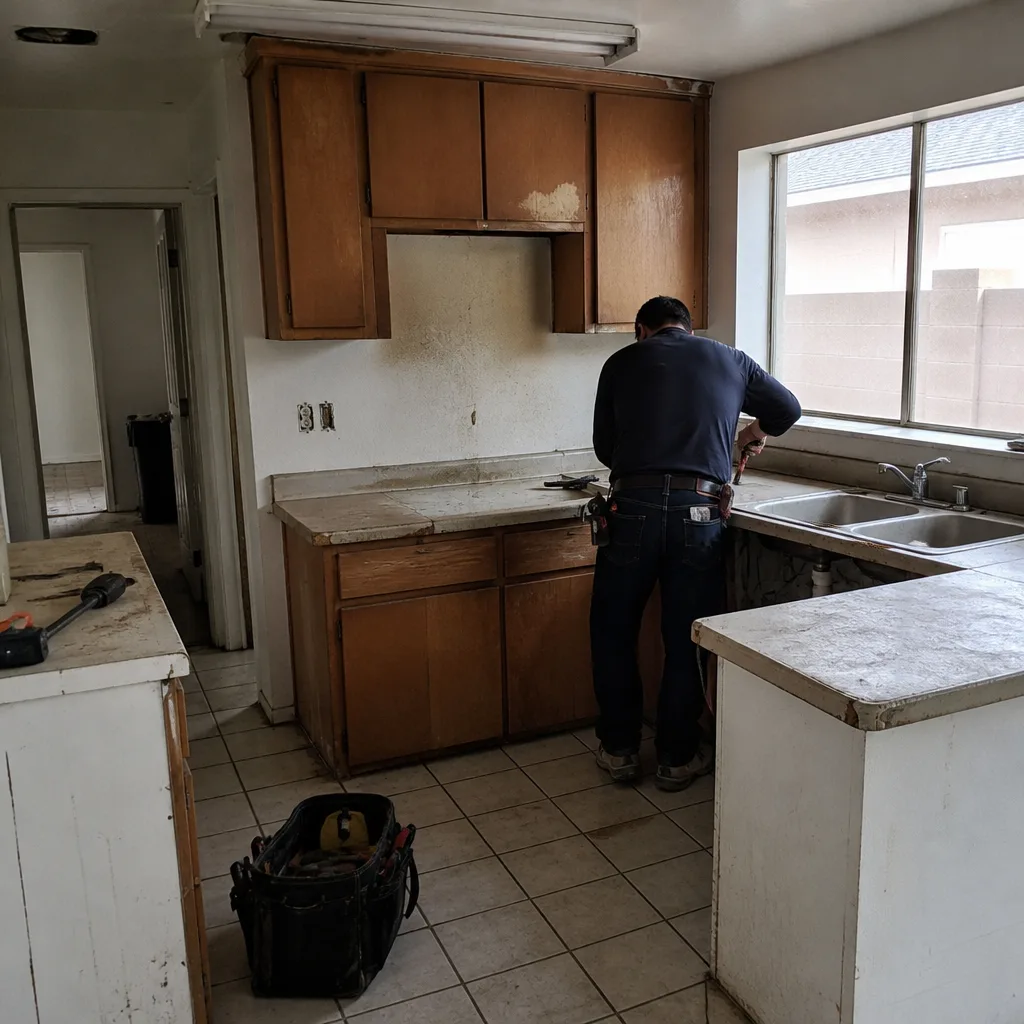 Before
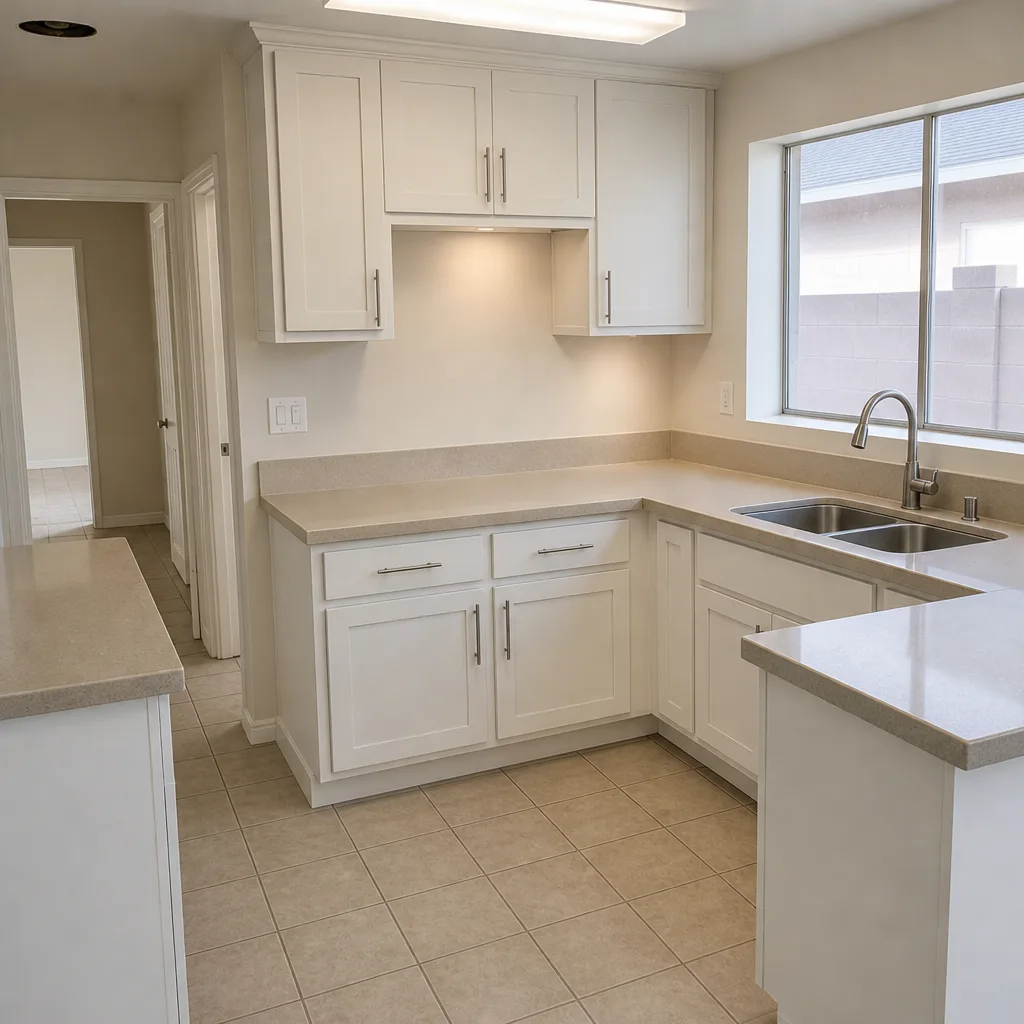 After
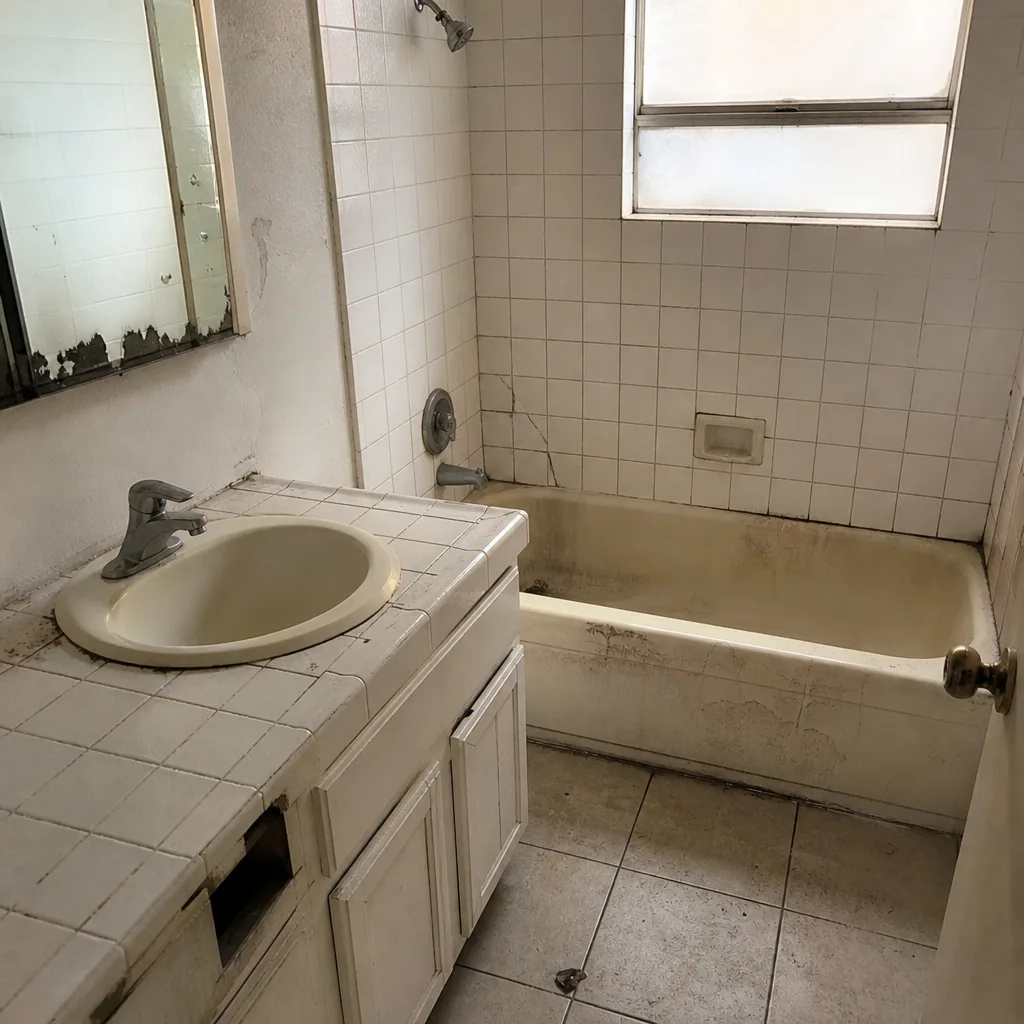 Before
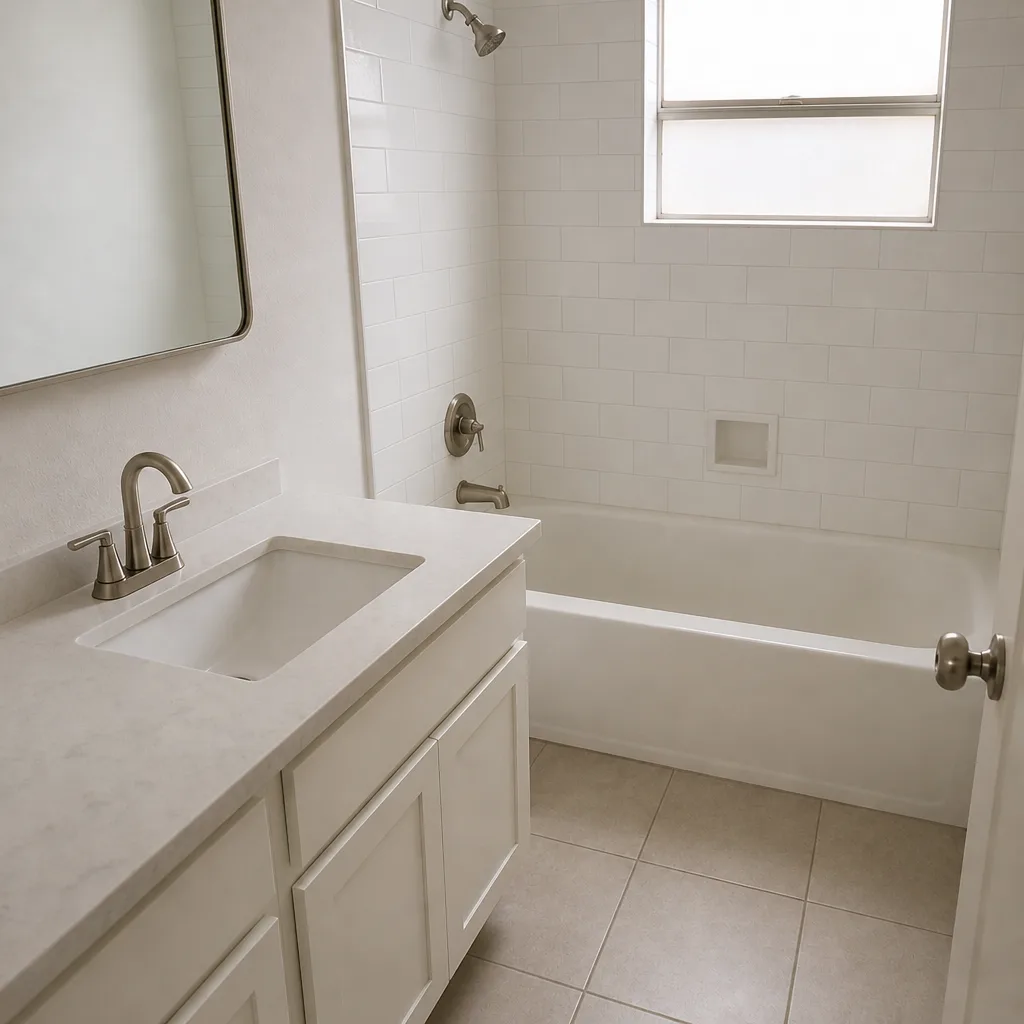 After
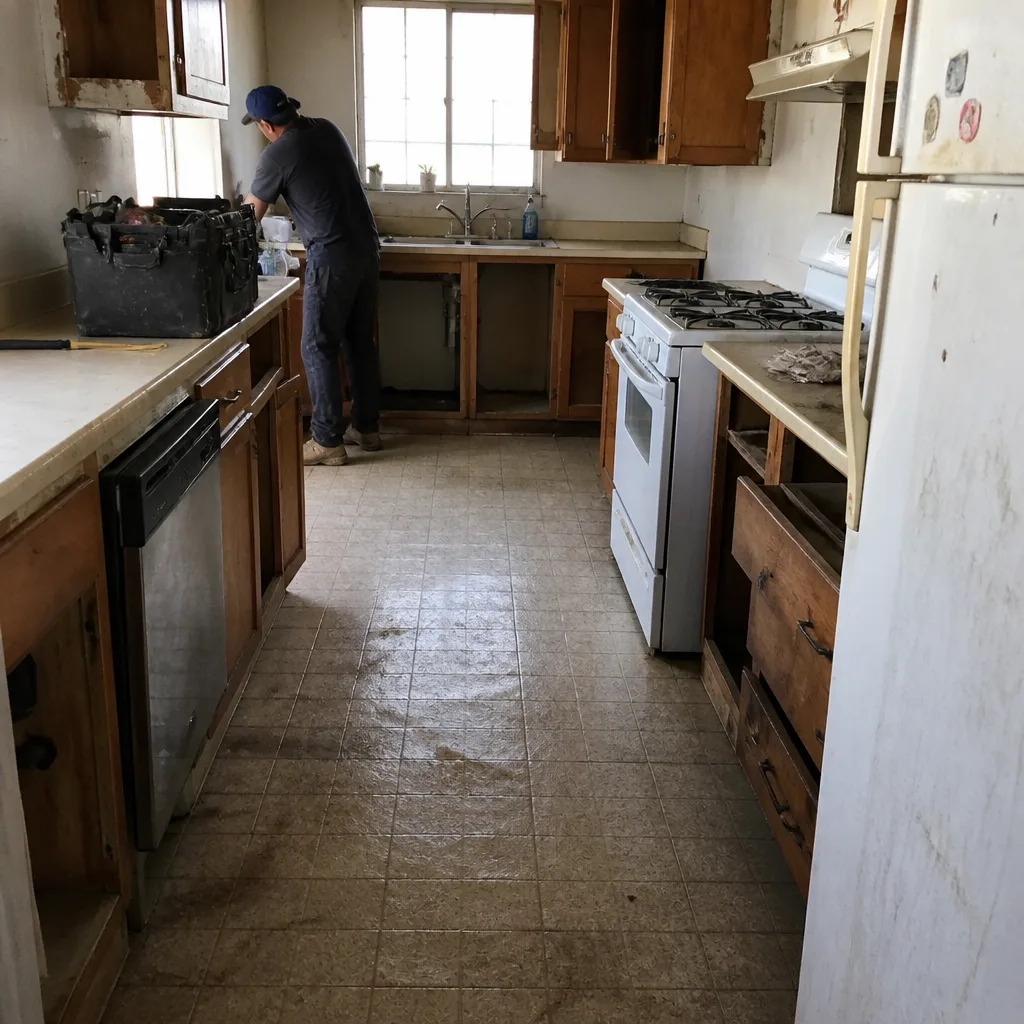 Before
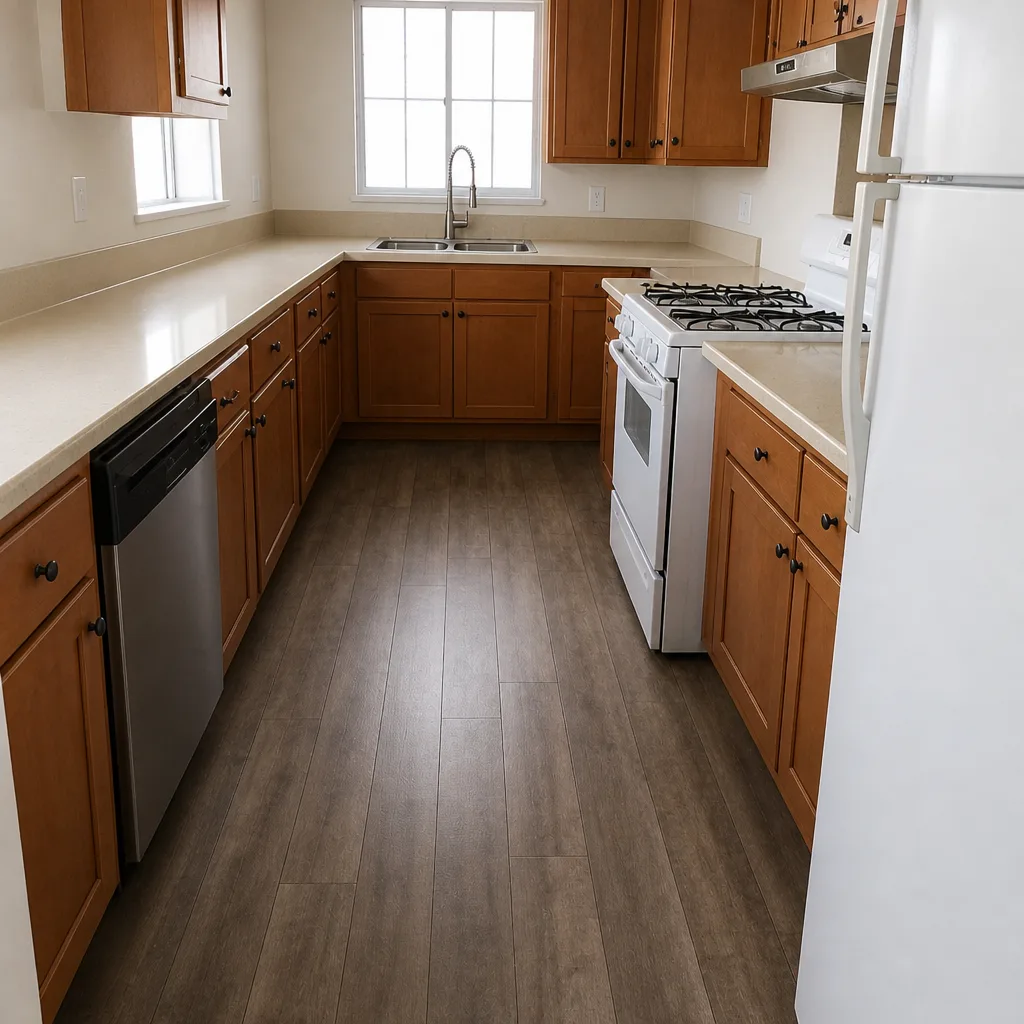 After