Last updated November 18, 2026

Free written scope consultation - allowances, timeline, and change-order rules on paper before a single trade is scheduled
DIY vs Professional Home Additions & ADU: What’s Safe to Do Yourself
Most homeowners assume the DIY-versus-hire question on an addition comes down to skill. It doesn’t. The line that actually matters is drawn in statute, and in North Las Vegas it runs through Nevada Revised Statutes Chapter 624. That chapter specifies which scopes of work a licensed contractor must perform and which an owner-builder can legally self-perform. Get that line wrong and the consequences are concrete: stop-work orders, mandatory demolition of finished work, and insurance claims denied on the ground that the work was unpermitted or failed inspection. This guide shows where the legal line sits, which tasks you can genuinely do yourself, and what each shortcut actually risks.
Quick Answer
On a home addition or ADU, you can legally and safely self-perform demolition of non-structural finishes, insulation after rough inspection, interior paint, cabinet installation, and finish flooring. You cannot legally self-perform electrical, plumbing, HVAC, or structural work in Nevada without a licensed specialty contractor, even when you hold an owner-builder permit for the general scope. The savings on those four licensed scopes should be weighed against the risk of a failed inspection and an insurance gap that can follow the property to sale.
Styles & brands we work with
- Kitchen remodeling
- Bathroom remodeling
- Home additions & ADU
- Roofing
- Windows & doors
- Driveway & pavers
- Fence
Table of Contents
- What Nevada’s owner-builder exemption actually allows
- The scopes that require a licensed contractor, no exceptions
- What’s genuinely safe to do yourself, and when
- The inspection stages that govern each task
- The insurance gap on owner-performed work
- The resale disclosure problem for unpermitted ADUs
- How to calculate realistic DIY savings by trade
What Nevada’s owner-builder exemption actually allows
Nevada’s owner-builder permit exemption allows a homeowner to act as their own general contractor on their primary residence. The permit is real, and it covers the general scope of work. What the exemption explicitly prohibits is the part most people miss: you cannot hire unlicensed subcontractors to perform work on that permit. If you take the owner-builder route, you either do the work yourself with your own hands, or you hire licensed contractors for the scopes that require them. There is no middle option where you supervise unlicensed labor under your own name.
The second half of the exemption is the personal liability. As owner-builder, you assume full personal liability for any code deficiency found during or after construction. That liability doesn’t expire when the certificate of occupancy is issued. A framing error discovered during a later roofing inspection, a missing fire separation found at resale, or an electrical fault that surfaces years later falls on you, not on a licensed general contractor who would have carried the risk. In North Las Vegas, where the permit desk sees a steady stream of owner-builder applications for detached ADUs in neighborhoods like Aliante and the older parcels off Civic Center Drive, that liability is the part homeowners most often overlook.
There’s a third limit. Owner-builder status applies to your primary residence. Build a detached ADU to rent, or an addition on a property you don’t occupy, and the exemption generally doesn’t apply at all. The work needs a licensed contractor end to end.
The scopes that require a licensed contractor, no exceptions
Regardless of whether you hold an owner-builder permit for the general scope, four categories of work in Nevada require a licensed specialty contractor. The owner-builder exemption does not reach them.
- Electrical. Panel work, new circuits, subpanels for a detached ADU, and any rough or finish wiring require a licensed electrician. In North Las Vegas you will not pass an electrical rough inspection on an owner-builder permit.
- Plumbing. New supply and drain lines, gas piping, water heater connections, and any fixture rough-in require a licensed plumber. Gas line work carries additional safety and inspection weight.
- HVAC. Ductwork, mini-split installation, and any refrigerant handling require a licensed mechanical contractor. Refrigerant handling is federally regulated.
- Structural work. Framing, shear walls, foundations, and engineered connections require a licensed contractor and, in most cases, stamped engineering. This is the scope where a code deficiency has the highest consequence.
North Las Vegas sits in a high-wind and seismic region, and the structural and electrical requirements reflect that. If you’re weighing what a professional addition actually costs on a parcel here, our Home Additions & ADU in North Las Vegas page lays out the line items. The short version: the four licensed scopes are the ones where DIY is not a savings, it’s a liability.
What’s genuinely safe to do yourself, and when
There is a real list of tasks you can perform legally and safely on an addition or ADU. It’s shorter than most homeowners expect, but it’s not empty.
- Demolition of non-structural interior elements. Removing drywall, flooring, cabinetry, and non-load-bearing partitions. Never touch a wall that may be structural; in older North Las Vegas homes, that’s a question for the engineer.
- Insulation installation after the rough inspection is signed off. Batt insulation between framing members, assuming it’s done to the correct R-value and doesn’t obscure any inspected work.
- Interior painting. Finish coats after the final inspection, not primer that covers inspected work.
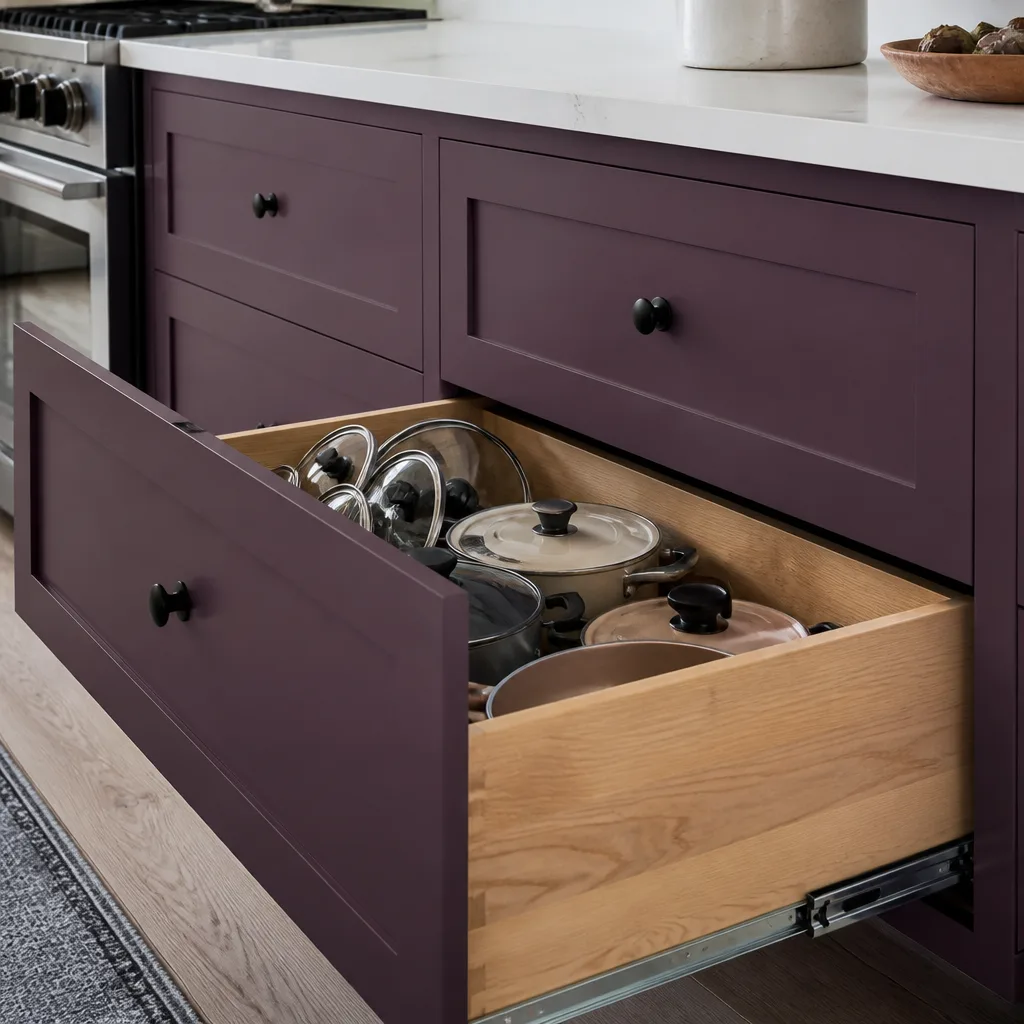
- Cabinet installation. Hanging and levelling cabinets, with the caveat that any electrical or plumbing behind the cabinet wall was done by a licensed trade and already inspected.
- Finish flooring. LVP, tile, and engineered wood over a substrate already inspected.
Two things these tasks share: none of them hide inspected systems, and none of them touch structural, electrical, plumbing, or mechanical work. The moment a DIY task would conceal or alter an inspected system, it’s off the list. That’s the line a North Las Vegas inspector will check against your permit.
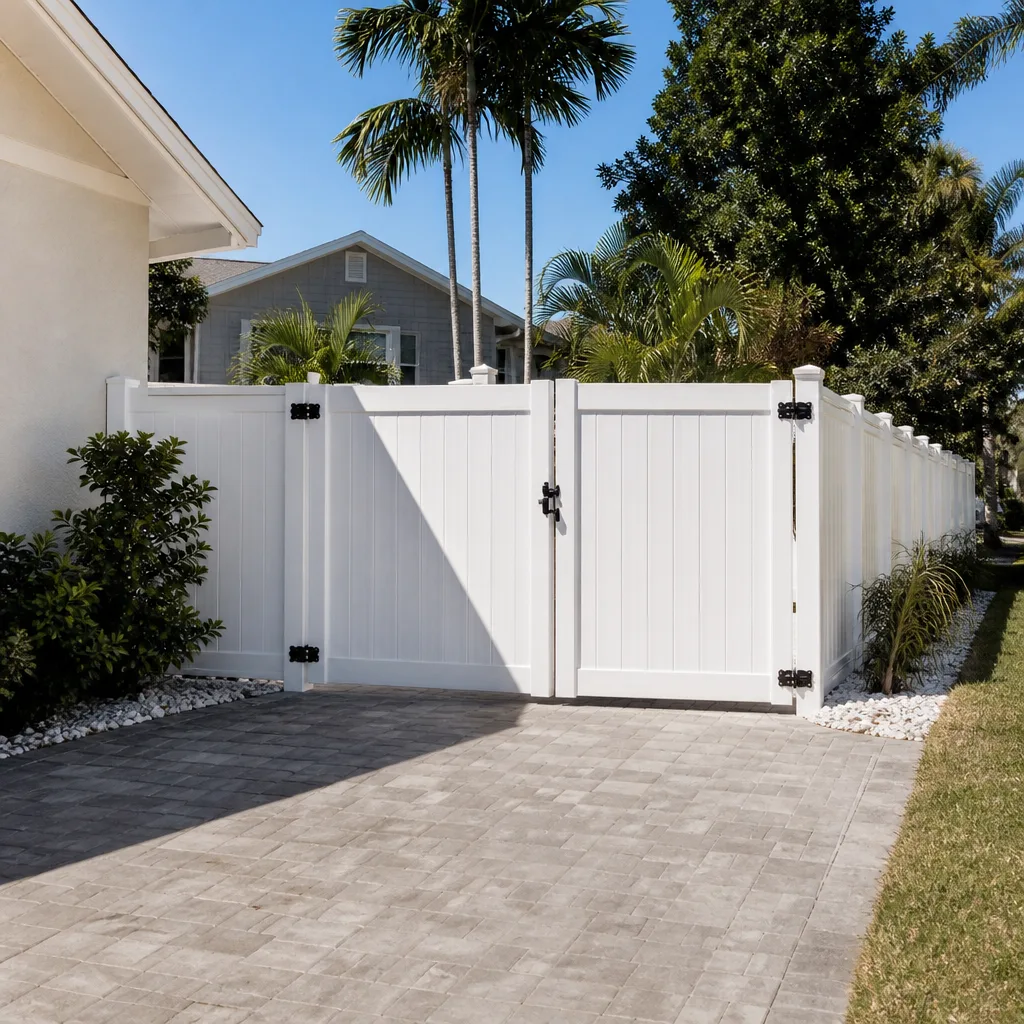
Fencing and exterior hardscape are a separate conversation. A new fence or a paver patio alongside the addition may fall outside the building permit entirely, which is why our Fence Installation in North Las Vegas page and Driveway & Pavers in North Las Vegas page each walk through what needs a permit and what doesn’t. Fence work with a quality system like Master Halco or Ameristar is a different risk profile from wiring a subpanel.
The inspection stages that govern each task
If you self-perform any of the tasks above, the timing is as important as the task. An addition or ADU in North Las Vegas typically moves through a defined inspection sequence, and each DIY task has a window dependent on the stage the project has reached.
- Foundation and slab inspection. Nothing you do yourself happens before this. It’s licensed work.
- Framing and rough-in inspection. Framing, electrical, plumbing, and mechanical rough work are all inspected here. Again, licensed.
- Insulation inspection. Insulation is inspected after rough work is signed off. This is where your insulation task belongs.
- Drywall and finish inspection. Drywall hangs after the insulation sign-off. Any inspected system is now behind a wall.
- Final inspection. The work is signed off here. Paint, cabinets, and flooring follow, because they hide nothing once final is issued.
Get the order wrong and the inspector can fail the stage, pull the project back to a prior inspection, or issue a stop-work order if uninspected work has been covered up. In North Las Vegas, the inspection desk is strict on the covering-up rule. Finish work that hides uninspected systems is the single most common reason an owner-builder permit fails a final inspection, and re-opening a wall to inspect a covered system is expensive.
The insurance gap on owner-performed work
This is the part most DIY guides skip entirely. Standard homeowner’s insurance policies typically exclude construction defects and may deny claims for damage caused by unpermitted or owner-performed work that failed inspection. The exclusion language follows ISO form conventions used across the industry: construction defects and faulty workmanship are excluded from the base property form. What that means in plain terms: if a plumbing rough-in you installed fails after closing, and the failure traces to your work or to a failed inspection, the insurer may point to the exclusion and deny the claim. The damage is real, and the policy may not cover it.
The insurance angle is the strongest argument for hiring licensed trades. A licensed contractor carries their own liability coverage and, in most jurisdictions, a bond. When their work fails, the claim runs against their policy, not yours. Under our Haven Standard, that means the written scope, the signed change order, and the 365-Day Done Right Promise all sit behind the work. When a homeowner self-performs and the work fails, all of that risk lands on them and their own policy, which is likely to exclude it.
If you’re putting together a project in North Las Vegas and want to see what the risk-adjusted picture looks like, our Rowan Construction Group North Las Vegas home page lays out how the trades, the documentation, and the guarantee fit together. The point isn’t to sell you a full-build. It’s to keep you from discovering the exclusion at the worst possible moment.
The resale disclosure problem for unpermitted ADUs
Nevada requires sellers to disclose known material defects and unpermitted improvements. An owner-built ADU without a final certificate of occupancy is exactly that: an unpermitted improvement you know about. You can’t omit it from the seller’s disclosure without risk of post-close liability.
Disclosed, the ADU typically reduces offers. Buyers discount unpermitted work by more than the cost of retroactive permitting, because they’re pricing the uncertainty. And a lender may refuse to finance a property with an unpermitted structure, which tightens the pool of buyers further. Retroactive permitting is sometimes possible, but it usually requires opening walls for inspection, correcting defects to current code, and paying for every inspection as if it were initial. That work is expensive and can be refused outright if the structure itself is nonconforming.
In practice, we’ve watched North Las Vegas sellers lose more on an unpermitted ADU than the ADU would have cost to permit properly in the first place. The permitting cost is knowable and budgetable. The resale discount is negotiated at the worst possible moment, against a motivated buyer, with the whole thing documented in writing.
How to calculate realistic DIY savings by trade
The only honest way to weigh DIY against hiring is to calculate the savings per trade against the risk per trade. Licensed-labor percentages run roughly like this on a typical addition:
- Electrical: 12 – 18% of total project cost. Risk of DIY: high. Electrical failures are the most expensive insurance gaps and the most common inspection failure.
- Plumbing: 8 – 14%. Risk of DIY: high. Water damage is not excluded from most policies; the faulty workmanship that caused it is.
- HVAC: 6 – 10%. Risk of DIY: high. Refrigerant handling is federally regulated.
- Framing and structural: 20 – 28%. Risk of DIY: highest. This is the one scope where a code deficiency can render the structure unsafe or uninsurable.
- Roofing: 6 – 10%. Risk of DIY: high. Steep-roof work is genuinely dangerous, and roof defects show up years later.
- Finishes (paint, flooring, cabinets): 10 – 14%. Risk of DIY: low. These are the tasks most homeowners can genuinely self-perform to a professional standard.
The framework is simple: take the percentage range, multiply it by your total project budget, and compare the number against the risk-adjusted cost of a failed inspection and a denied claim. For the licensed scopes, the savings rarely justify the risk. For the finish scopes, they usually do.
If you’re building out a complete North Las Vegas project and want the numbers in writing before you commit, we’ll go line by line over a competitor’s estimate through our Free Second Opinion. The offer exists precisely because the DIY-versus-hire math is easier when someone sits down with you and runs it.
Common Mistakes to Avoid
- Treating the owner-builder permit as a license to hire unlicensed help. Chapter 624 prohibits it, and the permit application is signed under penalty of perjury. In North Las Vegas, the permit desk checks.
- Covering inspected systems with finish work before the sign-off. Drywall over uninspected electrical or plumbing is the most common cause of a failed final, and it forces a re-inspection at your cost.
- Assuming homeowner’s insurance will step in. Construction defects are excluded from the base property form. A plumbing failure traced to your own rough-in is often not a covered claim.
- Forgetting the resale calculation at the outset. An unpermitted ADU without a final certificate of occupancy must be disclosed, and the discount exceeds the cost of permitting it right the first time.
- Using an owner-builder permit on a rental ADU or non-primary property. The exemption is for primary residences. A detached ADU built to rent doesn’t qualify.
- Self-performing framing or roof work to save the labor line. Structural and steep-roof work carry the highest consequence of failure, and both are genuinely dangerous without training and equipment.
- Assuming a fence or paver project needs no permit at all, or the inverse. Fence and hardscape rules are separate from the building permit and vary by parcel in North Las Vegas. Ask before you dig.
See the difference
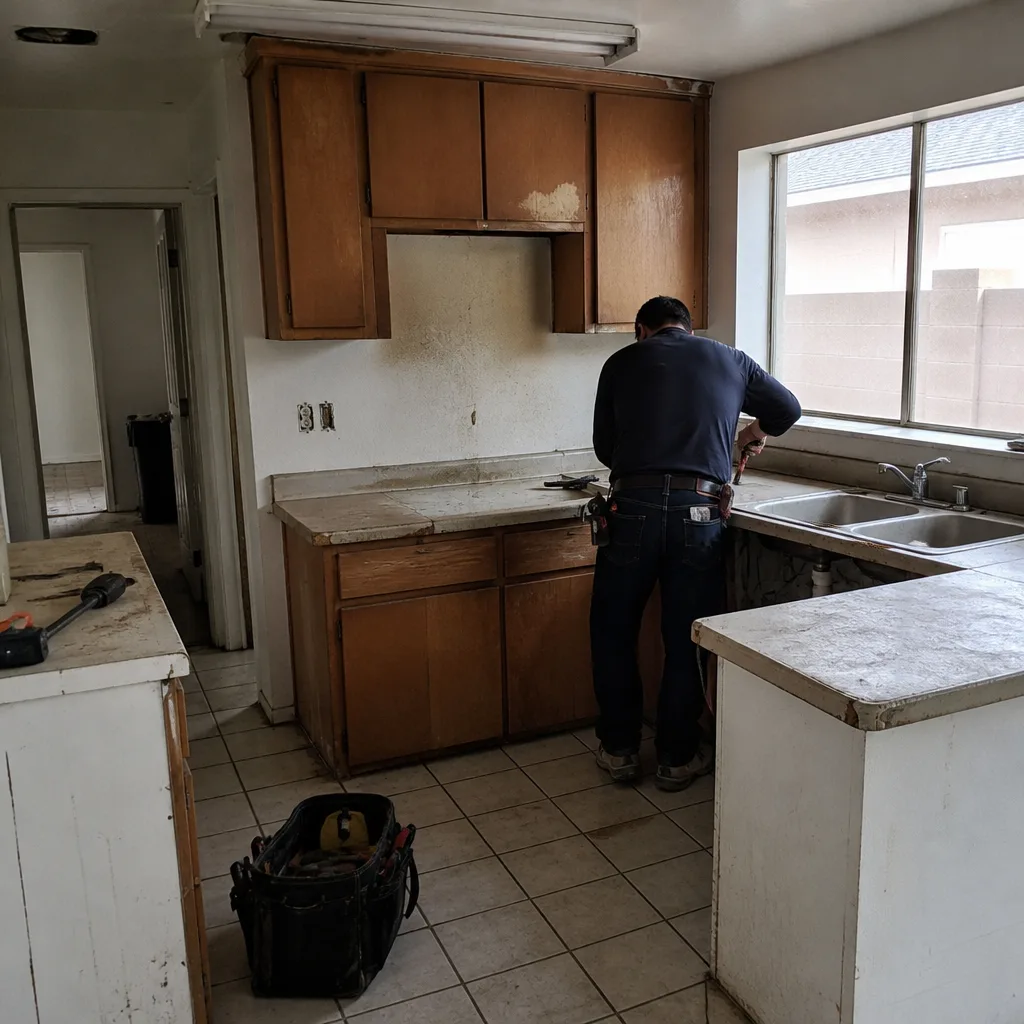 Before
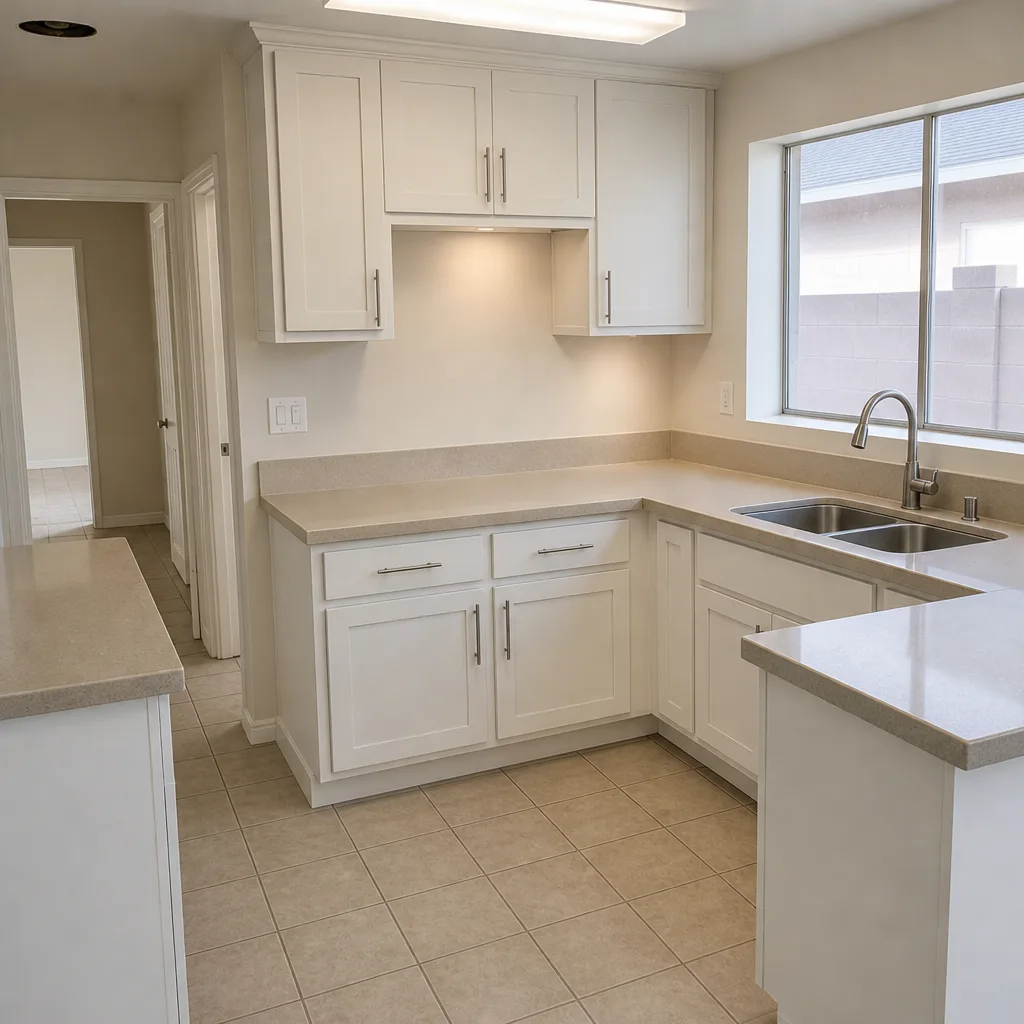 After
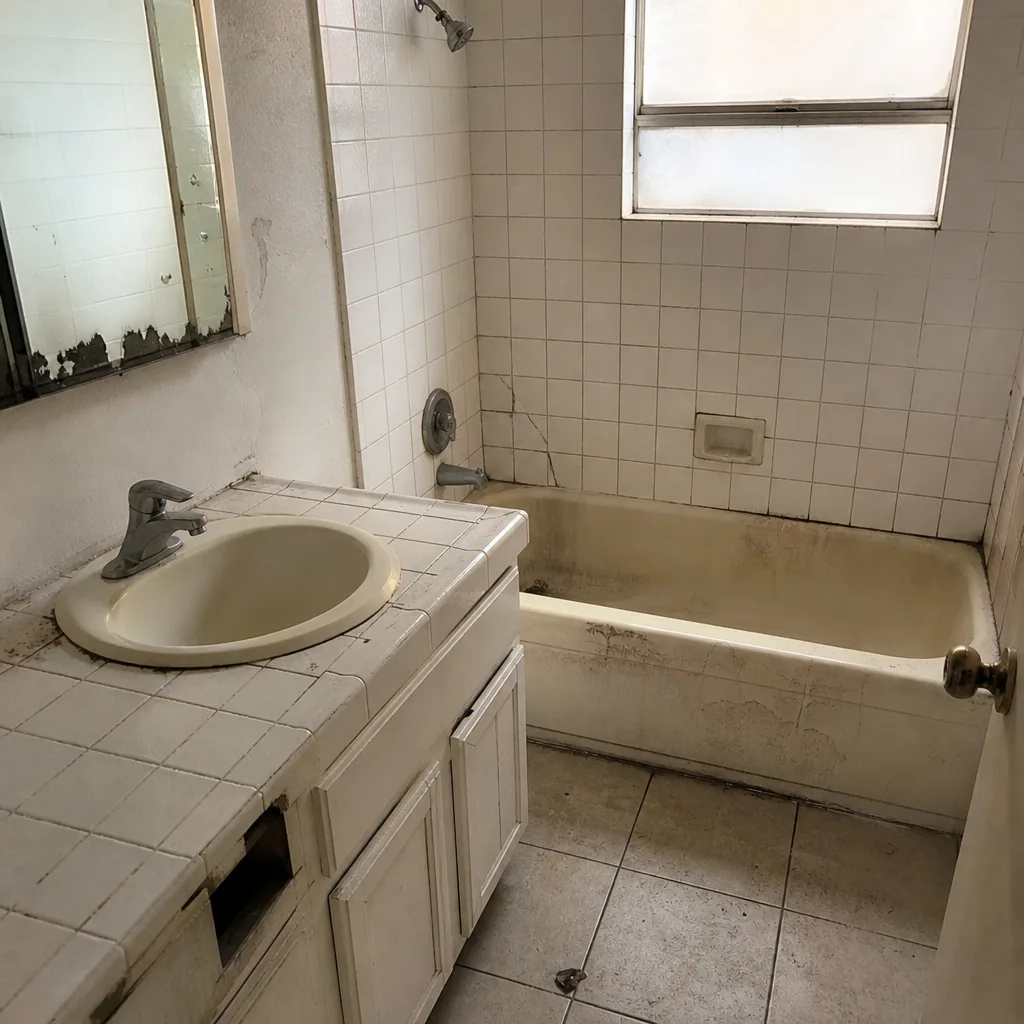 Before
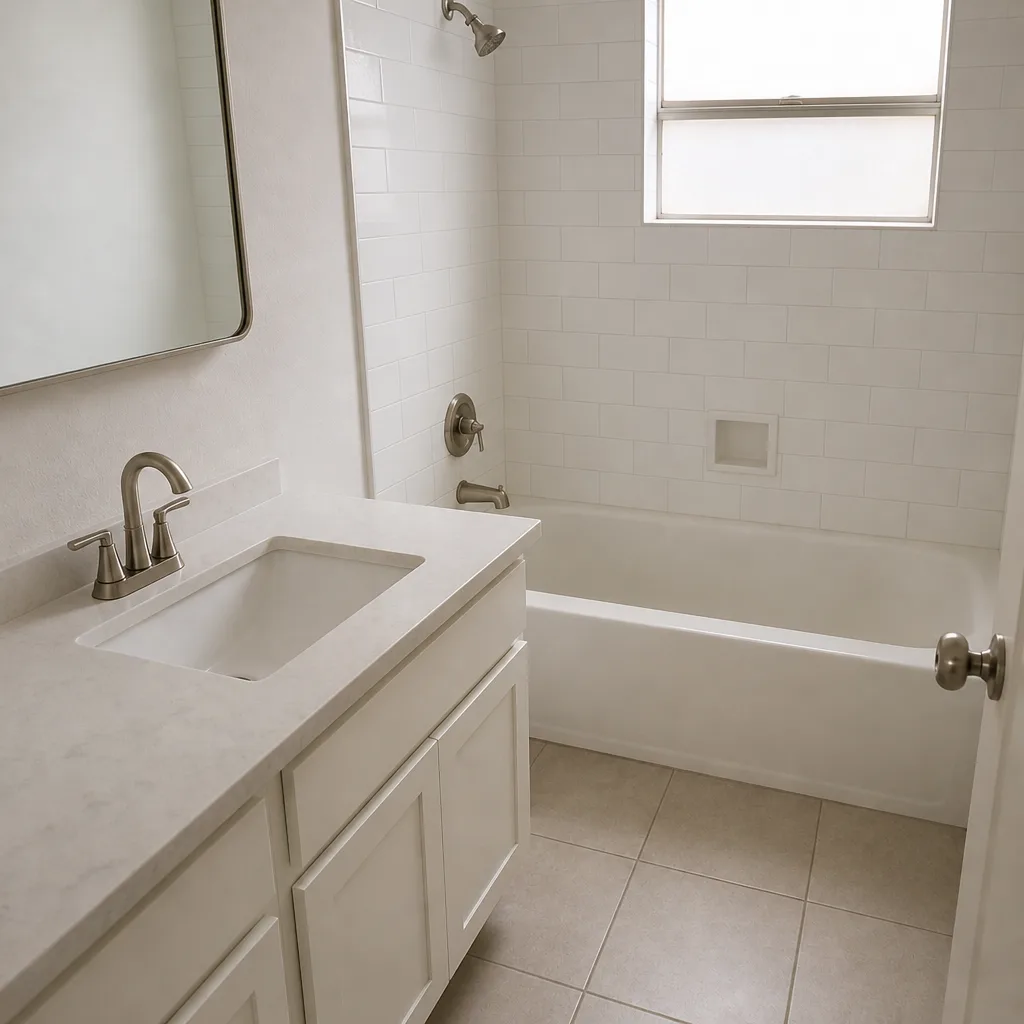 After
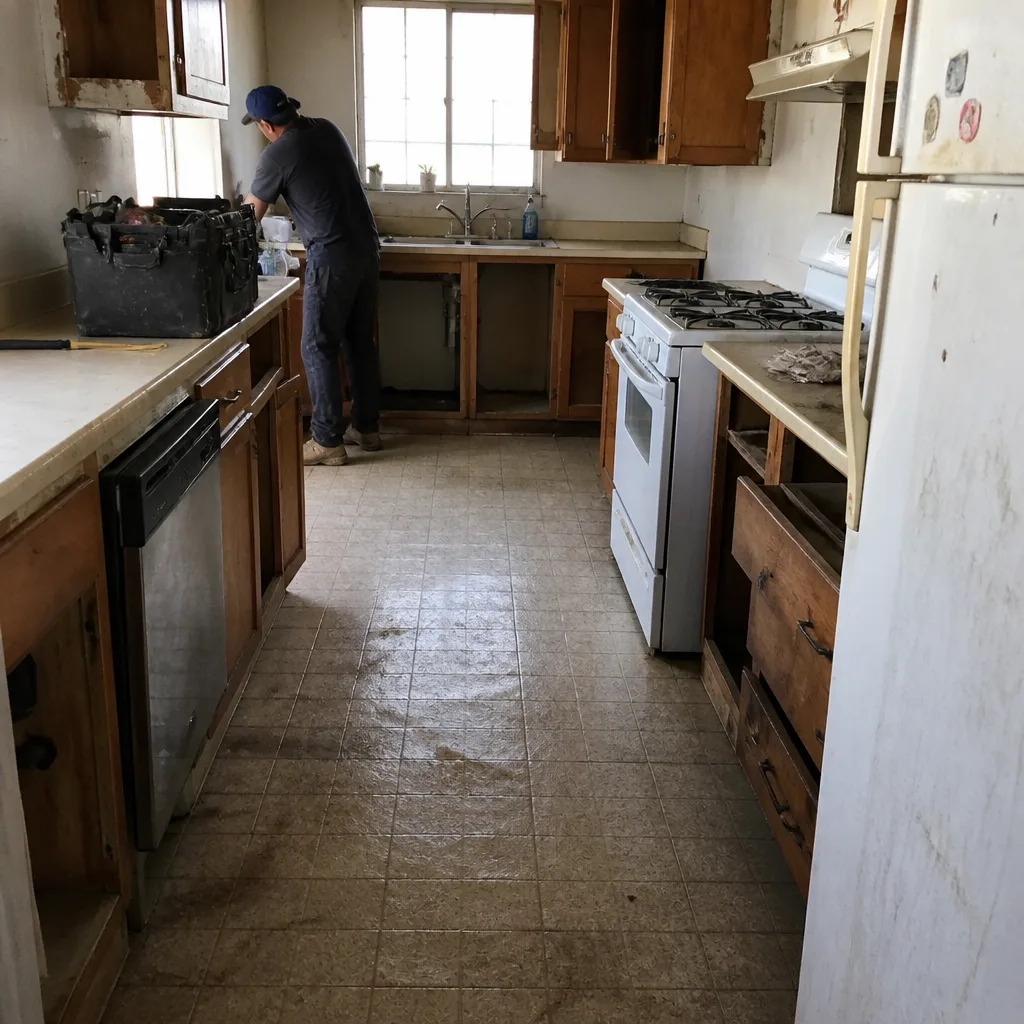 Before
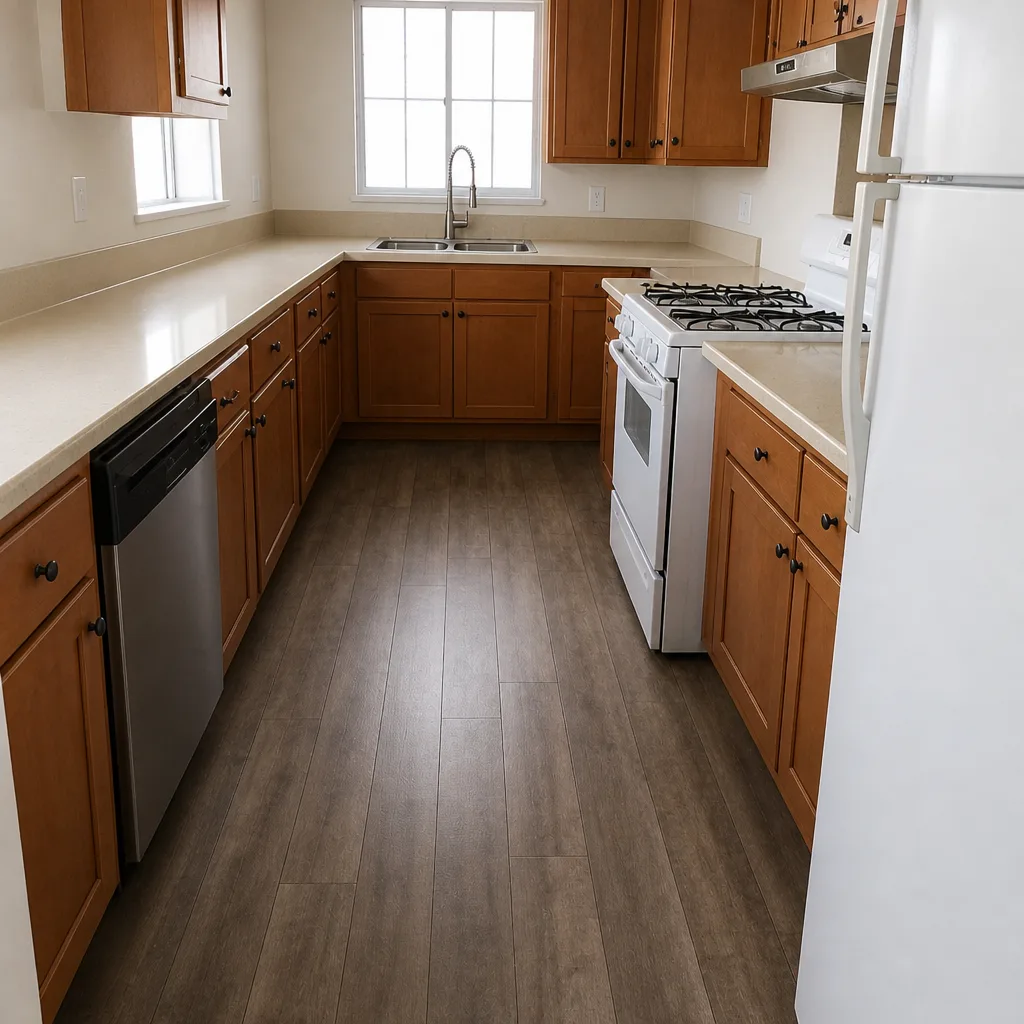 After
When to Call a Professional
Call a licensed contractor the moment your project touches electrical, plumbing, HVAC, structural framing, or a roof. Those are the scopes where Nevada law requires a license, where insurance gaps follow owner-performed work, and where a code deficiency can render a completed addition uninsurable. Call one as well if you’re building an ADU on a property that isn’t your primary residence, if you’re planning an ADU you intend to rent, or if any part of the project needs a certificate of occupancy to protect resale value. In North Las Vegas, a written scope and a documented photo record on every visit are worth more than the labor line you save by doing the work yourself. Rowan Construction Group North Las Vegas offers free estimates in North Las Vegas – call (844) 708-4417.
Frequently Asked Questions
Yes, if the addition is on your primary residence and you hold an owner-builder permit. The exemption allows you to act as your own general contractor for the general scope, but it explicitly prohibits hiring unlicensed subcontractors to work on that permit, and it makes you personally liable for any code deficiency found during or after construction.
No. Nevada Revised Statutes Chapter 624 requires a licensed specialty contractor for electrical work regardless of owner-builder status on the general permit. Panel work, circuits, and subpanels all require a licensed electrician, and a North Las Vegas electrical rough inspection will not pass otherwise. Call (844) 708-4417 for a written scope on the licensed scopes of your ADU.
Non-structural demolition, insulation after rough inspection, interior paint, cabinet installation, and finish flooring are all owner-performable. Each has an inspection window: insulation after the rough sign-off, finishes after the final inspection. If a task would hide an inspected system, it’s off the list.
Generally no. Standard homeowner’s policies exclude construction defects and faulty workmanship from the base property form, following ISO form conventions, and may deny claims for damage caused by unpermitted or owner-performed work that failed inspection. The exclusion is the strongest practical argument for hiring licensed trades on the four scopes that require a license.
Yes. Nevada requires sellers to disclose unpermitted improvements, and an owner-built ADU without a final certificate of occupancy is exactly that. The disclosure typically reduces offers by more than the cost of retroactive permitting, and some lenders won’t finance a property with an unpermitted structure. The cost of permitting properly the first time is knowable; the resale discount is negotiated against you later.
Finish work (paint, flooring, cabinets) represents roughly 10-14% of total project cost, and it’s the lowest-risk scope. Self-performing it is where the savings are real. Structural and electrical DIY is a false economy: framing runs 20-28% of project cost and electrical 12-18%, but the risk-adjusted cost of a failed inspection or a denied claim usually exceeds the labor line you saved. Call (844) 708-4417 for a line-item breakdown – the Free Second Opinion on any written estimate is at no charge.
The Bottom Line
The DIY-versus-hire decision on a North Las Vegas addition or ADU is a permits-and-liability question before it’s a skills question. Electrical, plumbing, HVAC, and structural work require a licensed contractor under Chapter 624, full stop. The owner-builder permit is real but narrow: it lets you act as your own general contractor on your primary residence, forbids unlicensed help, and assigns you personal liability for code deficiencies. Finish work – paint, flooring, cabinets, non-structural demo, insulation – is where the real savings live and where the risk is low. Choose the licensed scopes for licensed trades, keep the documentation written, and get a second opinion on any estimate before you sign.
Rowan Construction Group North Las Vegas quotes a flat written price with a written scope before any work starts, honors signed change orders before any change proceeds, and backs every project with the 365-Day Done Right Promise. Under Clause 1 of the Haven Standard, the number is written before anyone picks up a tool. Call us at (844) 708-4417 for a free estimate, or bring us a competitor’s written estimate and we’ll review it line by line at no charge.
Written by the team at Rowan Construction Group North Las Vegas.